
When the Oracle of Omaha Outguns the Fed: Is Buffett’s Treasury Bonanza a Sign for Pimco to Double Down?

Warren Buffett has quietly amassed more U.S. Treasury bills than the Federal Reserve, while Pimco’s top strategist says Treasuries are finally attractive. Here’s what investors need to know now.
Why Is Buffett Betting Big on Treasuries?
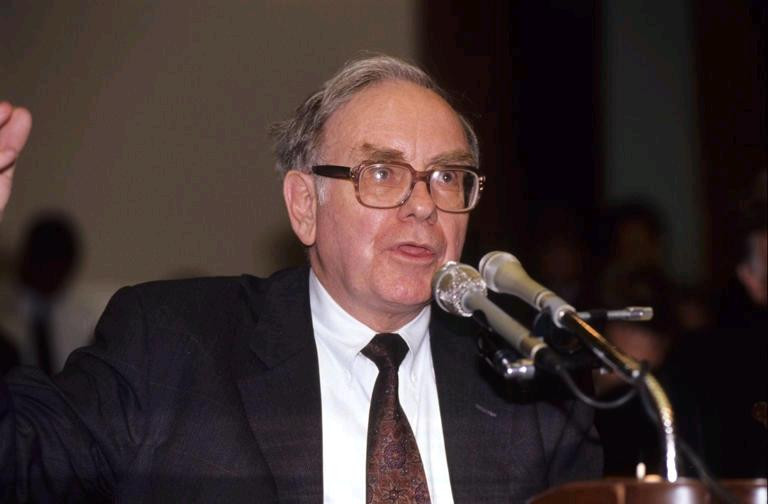
When the rest of Wall Street chases high-flying tech or alternative assets, Buffett is sitting on a mountain of Treasuries. As of March 31, Berkshire Hathaway held $300.87 billion in short-term U.S. government debt—4.89% of the entire $6.15 trillion Treasury-bill market. That means one out of every $20 in circulation is “owned” by Buffett. He’s parked nearly 90% of his $334 billion cash hoard in these instruments, lured by yields north of 4.35%—higher than what he sees in today’s stock market. His rationale? Everything else is simply too expensive, and he’s unwilling to overpay. Buffett hasn’t made a major acquisition in over two years, preferring to collect virtually risk-free interest until he spots a “fat pitch” opportunity again.
How Big Is His Haul?
Berkshire’s holdings break down into $14.4 billion of Treasury bills maturing within three months—classified as cash equivalents—and $286.47 billion in short-term investments, all directly tied to T-bills. By comparison, the Fed’s own portfolio of T-bills stands at roughly $195 billion. No equities, no junk bonds, no cryptocurrencies—just plain-vanilla government paper. Even Apple, with about $30 billion in cash equivalents, has only $15.5 billion in T-bills. Against Buffett’s gargantuan position, that’s a rounding error.

What Does It Mean for the Fed’s Footprint?
It’s remarkable that a single investor now dwarfs the Fed in the Treasury-bill market. During the 2008–09 financial crisis, Buffett deployed capital to backstop Goldman Sachs, Dow Chemical, and Bank of America, earning both returns and influence. A decade later, the scale of his liquidity means he could stabilize markets again—but at even larger sums. To move the needle, Buffett would need trades in the tens of billions or more. Potential targets like privatizing $KO ($280 billion price tag) or $AXP ($130 billion) dwarf the “fat pitches” of old. For now, he’s content to let interest roll in.
Pimco Sees Value in Volatile Markets
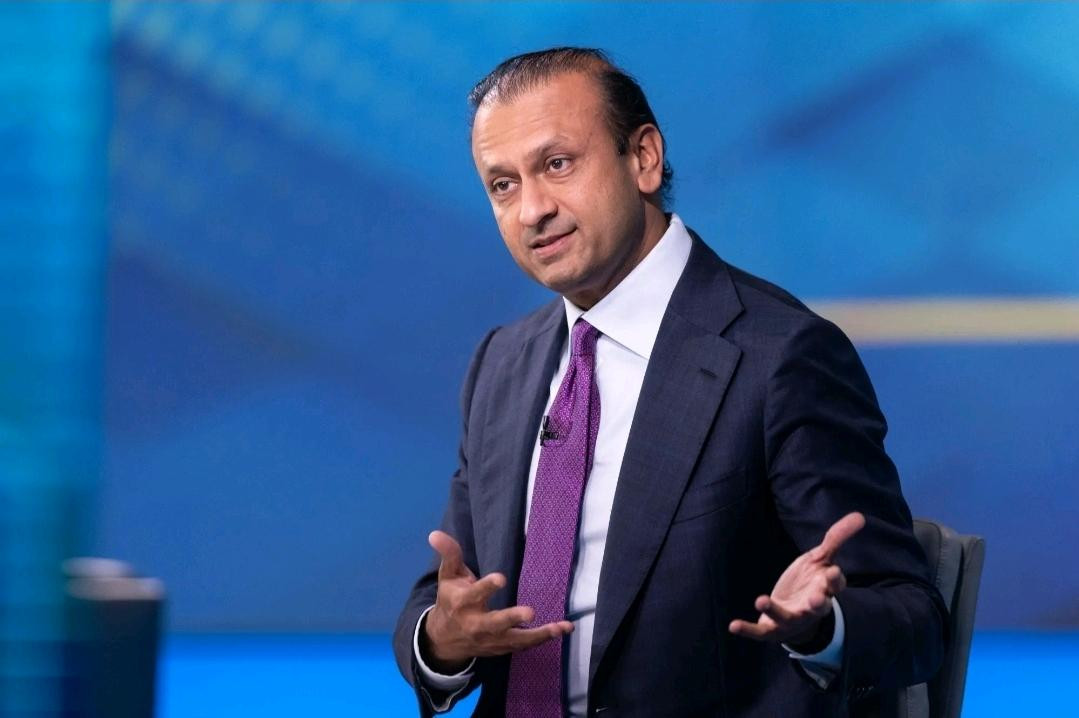
Meanwhile, Pimco’s Chief Investment Officer for core strategies, Mohit Mittal, is sounding the bullish horn on U.S. government debt. After a brutal “short America” trade and a spike in long-term yields—10-year Treasuries rocketed from below 4% to nearly 4.6% in early April—Mittal argues that yields now compensate for potential long-term economic slowdown. On April 23, he told investors that the market has overemphasized the risk of foreign divestment from U.S. assets and overlooked weakening growth prospects. He sees especially compelling value in 5- to 10-year maturities and is using recent volatility as a chance to add duration.
Patience Pays in Bondland
Buffett and Pimco’s moves underscore a broader theme: patience and capital size are distinct advantages in today’s markets. Buffett’s cash fortress lets him sit out frothy rallies, while Pimco’s $2 trillion bond arsenal can shift allocations without rocking markets. For individual investors, the lesson is twofold: don’t chase every rally at any price, and recognize that Treasuries can be more than a cash parking lot—they can offer compelling yield and downside protection when entered thoughtfully.
Bottom Line
With Buffett controlling nearly 5% of the T-bill market and Pimco eyeing further bond exposure, U.S. government debt looks attractive once again. As equity valuations soar and geopolitical uncertainties linger, anchoring portfolios with high-quality Treasuries may be one of the few truly “fat pitches” left in today’s financial game.
This content is provided for informational or educational purposes only and does not constitute investment advice.