
Is This the Beginning of the End for “America First”?

Investors Pause “Sell America” Trade—Breather or False Dawn?
This week, markets briefly reversed course: after weeks of dumping dollars and U.S. Treasuries, investors snapped up long-term bonds, sending the dollar higher against major peers. Yet few believe this reprieve will last amidst ongoing trade tensions, mounting debt concerns, and questions about U.S. fiscal sustainability.
Markets Catch Their Breath
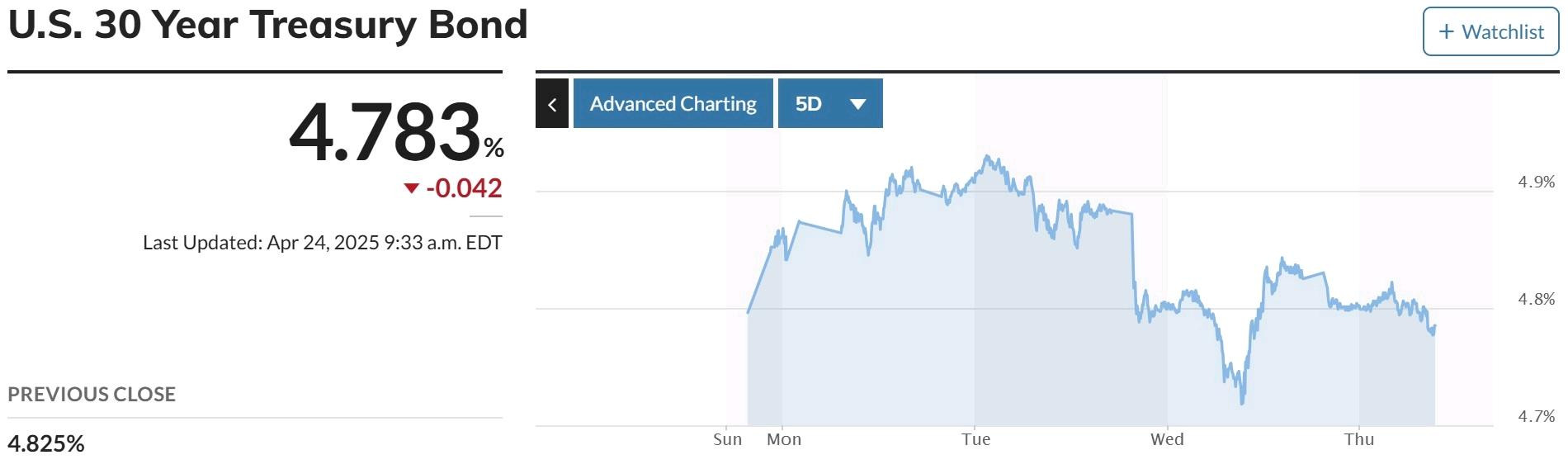
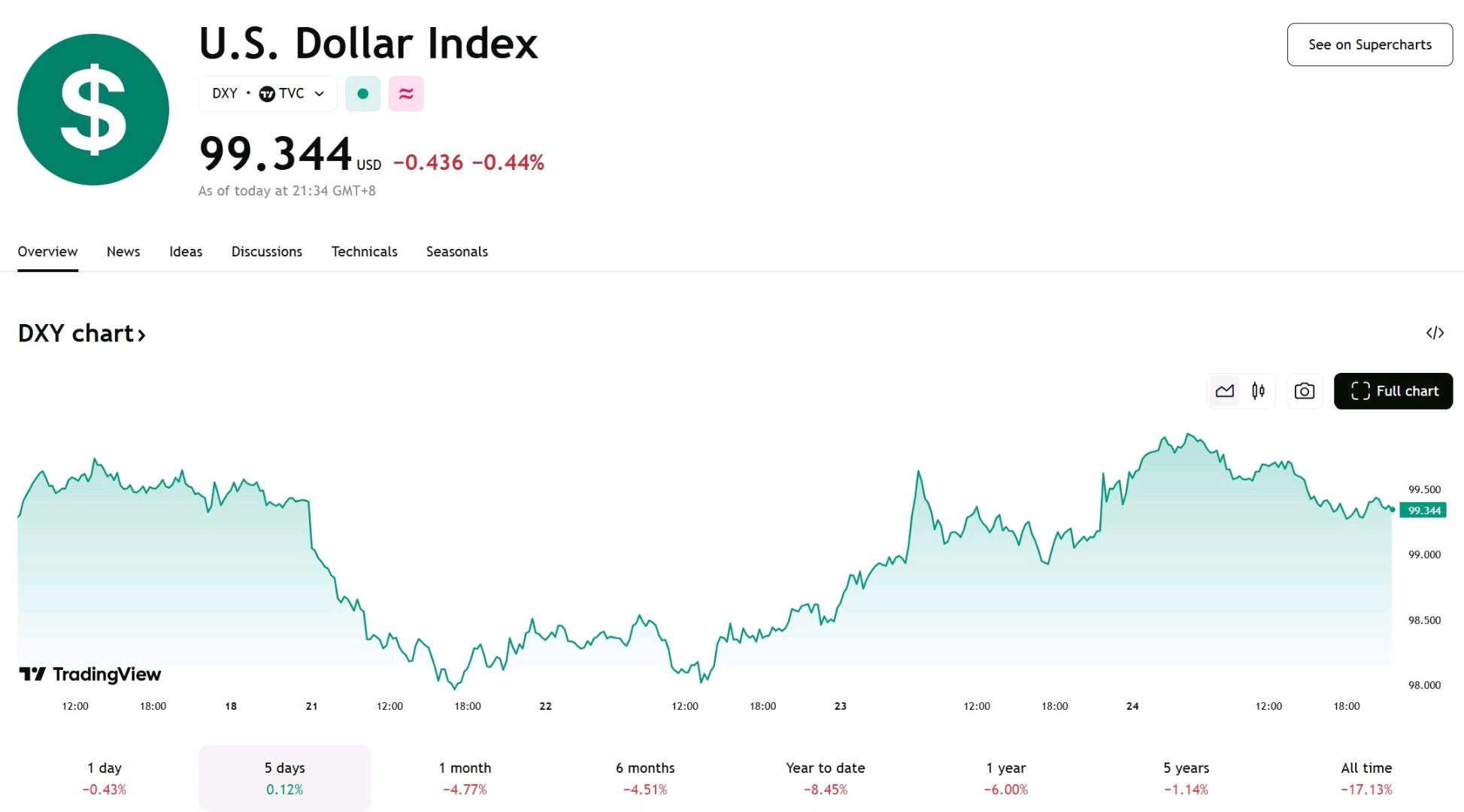
On Wednesday, 30-year Treasury yields plunged as much as 15.5 basis points—their biggest intraday drop in over eight months—while the ICE Dollar Index rebounded nearly 1% from a three-year low. All three major U.S. stock indices closed higher. But year-to-date, the dollar remains down more than 8%.
Why the U-turn?
1. Trade War Easing? President Trump signaled softer rhetoric on China tariffs—mirroring comments from Treasury Secretary Janet Yellen at the Institute of International Finance in Washington, D.C.
2. Fed Chief Support? Trump dialed back his criticism of Fed Chair Jerome Powell, calming fears of sudden leadership upheaval.
However, this relief rally raises more questions than answers. Is it a genuine shift in policy—or merely a tactical pause?
Are Investors Fooling Themselves?
“Don’t mistake this as a long-term turnaround,” warns Agile Investment Management partner Peter Azzinaro. He forecasts a multi-year decline for the dollar, driven by:
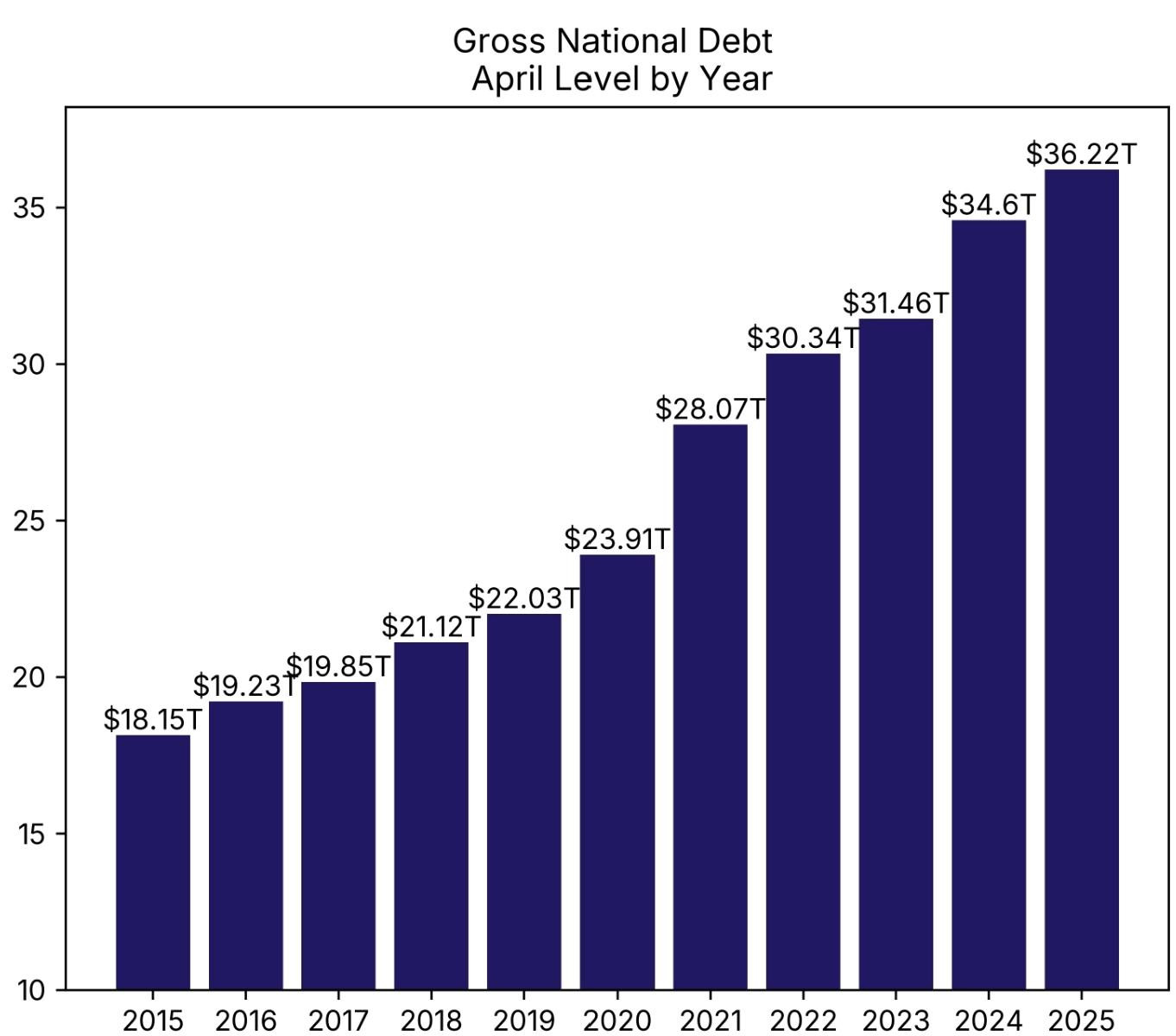
1. Ballooning U.S. Debt: The federal debt stands at $36.2 trillion, with a $1.31 trillion deficit projected for fiscal 2025.
2. Eroding Confidence: Trade disputes have dented consumer and business sentiment, potentially crimping growth and fueling inflation.
3. Structural Shifts: Over the next three to five years, capital is set to flow out of U.S. assets into Europe and Asia—a trend he believes will play out over decades.
“Decades of dollar dominance as a safe-haven asset may be drawing to a close,” Azzinaro says.
Trump vs. the Markets: Who’s Really in Charge?
Wall Street Journal columnist James Mackintosh argues that while market turmoil can influence the White House, it doesn’t guarantee control over policy. Trump’s past attacks on Fed independence and tariff threats show his willingness to risk deep market pain before reversing course.
Key Takeaways:
1. No Fixed Floors: Trump won’t promise to defend any specific asset price—be it the S&P 500, bond yields, or the dollar index. He responds only to the broader threat of mass capital flight.
2. High-Risk Threshold: Markets may have to suffer significant further downturns before prompting another policy retrenchment.
3. Unpredictable Moves: Tomorrow’s policy twist could come from a new adviser, a shifting political calculation, or even a tweet.
What Happens Next?
Despite Wednesday’s rally, several indicators suggest collateral damage is still unfolding:
1. Inflation Pressures: S&P Global data show rising input costs from trade barriers, which could outlast any Fed pivot.
2. Fiscal Fragility: Yellen’s call for a return to sustainable deficits underscores bipartisan concern over red ink.
3. Investor Caution: Montreal-based strategists Ian Lyngen and Vail Hartman note that bond market stability has “more room to run”—but only so long as Powell remains at the Fed through May 2026.
“Deep liquidity makes U.S. Treasuries still attractive in volatile times,” Azzinaro admits. He expects 10-year yields to trade in a 4%–4.5% band this year, and notes that Wednesday’s dip to 4.385% is not a game-changer on its own.
Should You Cheer on U.S. Assets?
Not so fast. This week’s bounce may simply reflect a breather after a bruising sell-off. True turnaround requires:
1. Concrete Trade Breakthroughs: Beyond soothing words, markets need detailed, enforceable tariff rollbacks.
2. Credible Fiscal Plan: A transparent path to narrow deficits and cap debt growth.
3. Fed Independence Assured: More than a pause in attacks—an explicit commitment to central bank autonomy.
Until then, betting on sustained strength in U.S. stocks, bonds, or the dollar is premature.
Bottom Line
This week’s “victory” for American assets offers little more than a momentary reprieve. Structural headwinds—from debt and deficits to trade frictions and political unpredictability—remain firmly in place. For investors, the key is to stay nimble: don’t presume to tame the Trump Fed, and don’t underestimate how far dissatisfaction with U.S. policy can drive capital flows.
This content is provided for informational or educational purposes only and does not constitute investment advice.