
Is the Fed’s Next Move Still on Hold?

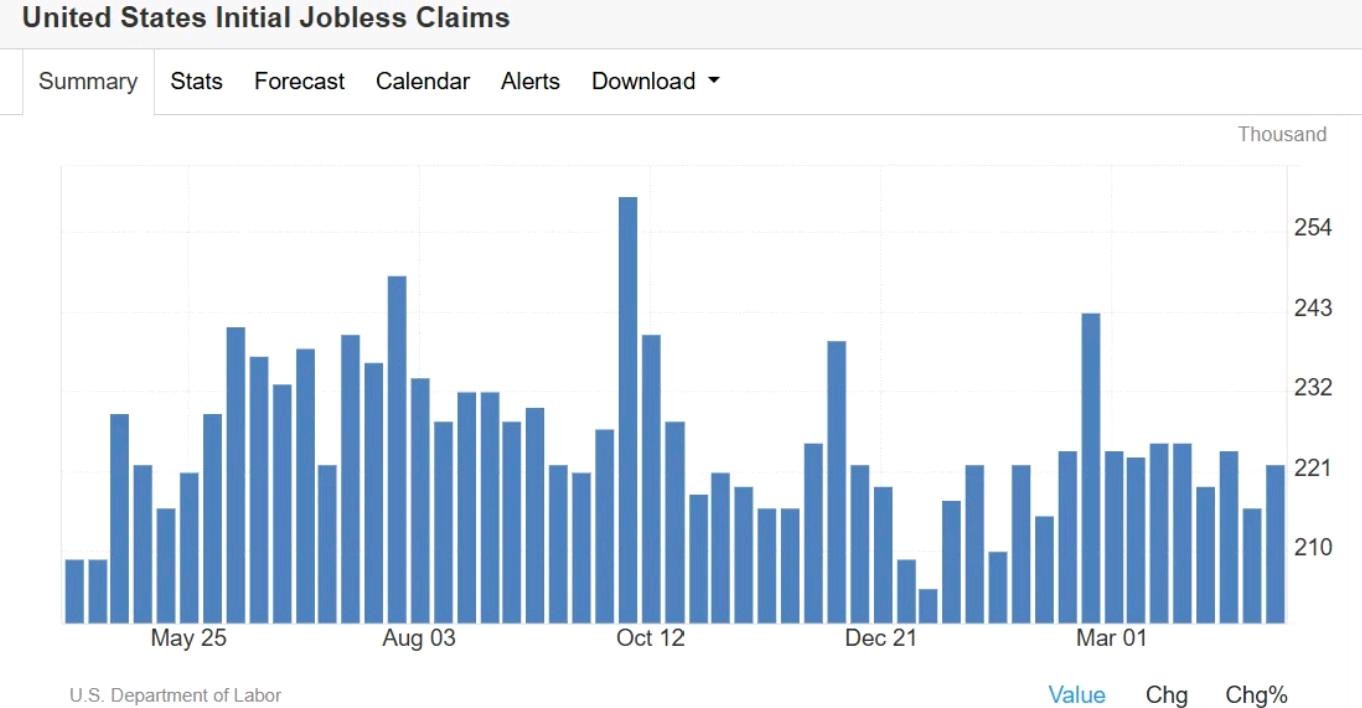
Last week’s labor data confirms what economists have been warning: despite historic tariff pressures, the U.S. jobs market remains resilient—and for now, there’s no clear signal for an imminent rate cut. Initial jobless claims held steady at 222,000 for the week ending April 19, matching forecasts and hovering near the lowest levels in a year. Meanwhile, continuing claims—a gauge of those still collecting benefits—dipped to 1.84 million, its lowest since January.
“Job Market’s Strength Is Unmistakable”
With weekly claims stuck at multi-year lows, the labor market shows few cracks. Goldman Sachs recently flagged initial claims as a leading recession indicator; yet these figures continue to defy expectations of turmoil under rising import levies. Tom Barkin, president of the Federal Reserve Bank of Richmond, captured the mood: businesses aren’t cutting payrolls en masse, though they’re hitting the brakes on hiring, investment, and discretionary spending.
“Most firms aren’t laying off workers,” Barkin noted, “but they are taking a defensive stance.”
Why Tariffs Haven’t Cracked Hiring?
Since tariff hikes took hold, inflationary pressures intensified—but so far they haven’t translated into mass layoffs. In states like Kentucky, Texas, and Oklahoma, unadjusted weekly claims even registered notable drops, suggesting that regional economies retain momentum despite higher costs. The ongoing stability bodes well for consumers and businesses alike, extending the positive vibes from recent employment reports.
Recession Watch: What to Look For
Economists at Goldman Sachs—and elsewhere—view jobless claims, the Philadelphia Fed manufacturing index, the ISM services survey, and the overall unemployment rate as the most reliable early recession flags. These high-frequency indicators often flash red a month into downturns, whereas GDP data can lag by up to four months.
• Initial Claims: Weekly release smooths out noise with a four-week moving average, which fell to 220,250 last week—the lowest since mid-February.
• Continuing Claims: At 1.84 million, down sharply from forecasts of 1.88 million, indicating fewer workers needing prolonged support.
A sudden uptick in either metric could be the red flag that prompts the Fed to reconsider its hold.
Can the Fed Afford to Wait?
Fed Chair Jerome Powell and his colleagues have publicly ruled out a “preemptive rate cut” as insurance against a slowdown. Their priority: prevent tariff-driven inflation from taking root. But a worsening downturn—signaled by a spike in claims or a jump in unemployment—would force their hand.
Fed Governor Christopher Waller put it plainly: “If growth weakens enough to threaten a recession, I expect the FOMC to support a faster, larger easing of policy rates.”
The Federal Workforce Wildcard
One wrinkle: federal employees laid off under the “Government Efficiency Department” (DOGE) program aren’t immediately counted in these weekly claims. Many receive severance packages delaying benefit eligibility. As of this writing, those numbers remain pending, but could add thousands to the tally once processed—potentially giving a false sense of continued strength.
Nick Bednar, a labor expert at the University of Minnesota, warns, “DOGE-driven cuts are like a train that’s already left the station. Even if the claims jump later, the changes are baked in.”
Equipment Orders Tell a Cautionary Tale
It’s not just payrolls under scrutiny. March’s business equipment orders were essentially flat, signaling rising caution among firms grappling with tariff and tax uncertainties. When CapEx stalls, it often foreshadows broader economic softening.
Taking the Temperature of the Economy
Here’s the bottom line: strong labor data buys the Fed more time—but it’s a watch-and-wait scenario. Keep an eye on:
1. Weekly Jobless Claims: A sustained rise above 250,000 would ring alarm bells.
2. Unemployment Rate: Any uptick from today’s near-historic lows could change the narrative.
3. Durable Goods Orders: Flat or declining CapEx spending hints at waning business confidence.
Until these metrics shift decisively, the Fed’s policy rate will likely remain in place—despite growing calls for relief from tariff-fueled inflation.
The U.S. labor market’s surprising resilience has forestalled discussions of rate cuts. But hidden factors—like delayed federal layoffs—and signs of corporate caution remind us that nothing is guaranteed. As long as jobless claims stay low, the Fed can keep rates unchanged. Yet a sudden spike in claims or a slump in equipment orders could trigger a policy rethink faster than many expect.
This content is provided for informational or educational purposes only and does not constitute investment advice.