
Xiaomi Delays SUV Launch After Fatal Crash—Lei Jun’s EV Dream Hits the Brakes

Xiaomi’s electric car ambitions have hit an unexpected roadblock.
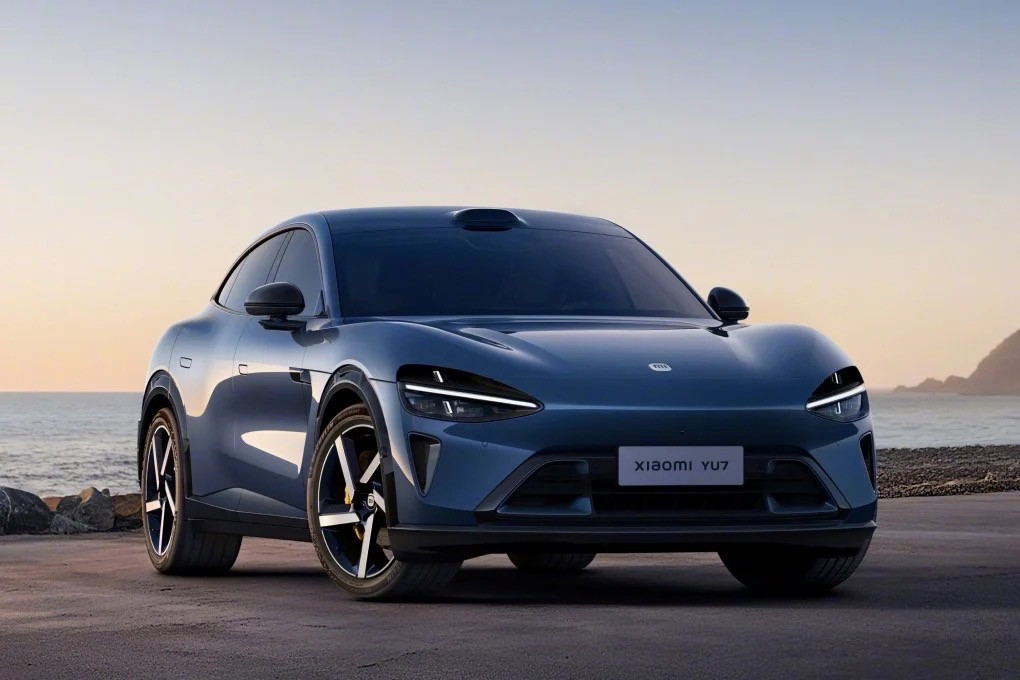
The company has delayed the launch of its first electric SUV, the YU7, which was originally scheduled for June or July. The car was also quietly pulled from the lineup at this week’s Shanghai Auto Show. Sources familiar with the matter say there is no new launch date confirmed yet. Meanwhile, Xiaomi has also postponed its annual investor day from late April to June.
This isn’t just a scheduling change—it’s a forced pause in response to a serious crisis.
A Fatal Crash Sparks Public Outcry
On March 29, a Xiaomi SU7 sedan crashed into a concrete barrier on a highway in Anhui province and caught fire, killing all three women inside. The car’s autopilot system was reportedly activated at the time of the accident.
The incident quickly went viral in China, sparking heated discussions online about the safety of Xiaomi’s assisted-driving technology, battery system, and vehicle design. In response, regulators summoned at least a dozen automakers for closed-door meetings to demand tighter rules on autonomous driving features.
For Xiaomi, a newcomer in the auto world, the pressure is intense. Without an established safety reputation, any public mishap can snowball into a major credibility crisis. In that light, delaying the YU7 launch seems like the only rational move.
Lei Jun’s “Final Startup” Faces a Harsh Reality Check
From the beginning, Xiaomi’s EV project has been closely tied to Lei Jun himself. The billionaire founder called it his “last startup,” pledging $10 billion to make it work. From the aggressive pricing of the SU7 to the ambitious pitch of “reinventing the car,” Lei has gone all in.
In March, Xiaomi raised its 2025 EV delivery target from 150,000 to 350,000 units, fueled by strong early demand. The YU7 SUV was a key part of that plan—it was supposed to expand Xiaomi’s lineup and compete directly with established giants like Tesla and BYD in the world’s largest auto market.
But the crash changed everything. With only one EV model in production and no mature after-sales system in place, Xiaomi’s entire car strategy now faces serious questions.
Investor Sentiment Turns Cautious
The financial market has already reacted. Since mid-March, Xiaomi’s shares in Hong Kong have dropped more than 20%, wiping out over HK$130 billion (around US$16.5 billion) in market value.
While Xiaomi’s smartphone and IoT segments are still profitable, investors now realize that future growth hinges on the success—or failure—of its EV business. And right now, that business looks far less predictable.
Pressure Builds Across the Board
Xiaomi has been moving at breakneck speed: it announced its EV plans in 2021, launched the SU7 in 2024, and was aiming to release multiple new models within a year. The YU7 was meant to break into the high-volume SUV segment and boost both margins and scale.
SUVs remain the preferred choice for Chinese families, and the YU7 was Lei Jun’s key to taking on the Tesla Model Y. But after the accident, the entire timeline has been thrown into question.
And if regulators start enforcing stricter rules on assisted driving, Xiaomi’s “smartphone thinking” in building a car—emphasizing software-hardware integration—will need to be reexamined from the ground up.
Final Thoughts
Xiaomi’s decision to delay the YU7 launch isn’t just a product postponement. It’s a moment of reckoning. Lei Jun’s dream of reinventing the car with technology has just collided with the hard wall of reality.
This is a test of public trust, investor patience, and Xiaomi’s resilience in a brutally competitive market. In the new era of EVs, safety is no longer just a feature—it’s the foundation.
Can Lei Jun steer Xiaomi out of this? We may have to wait for the next launch event to find out.