
Morgan Stanley Backs Musk’s Vision as JPMorgan Cuts Tesla Price Target

$TSLA’s latest earnings report landed with a thud on Wall Street, sparking a sharp divide between two of its most influential analysts.
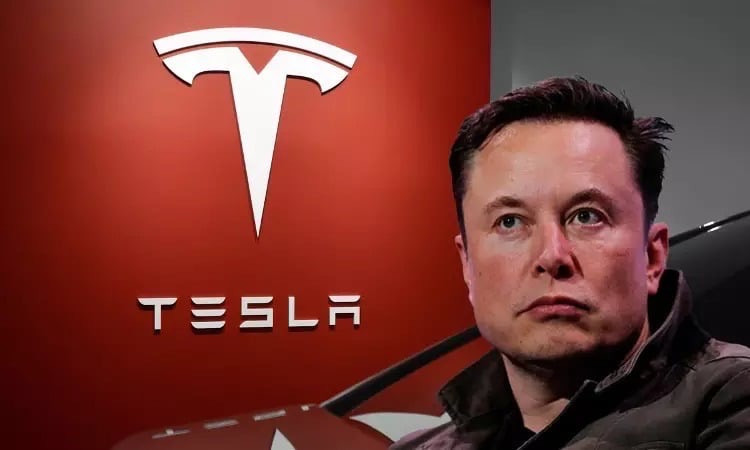
JPMorgan called it the end of Tesla’s growth story. Morgan Stanley, meanwhile, doubled down with a bold $410 price target—banking on Musk’s renewed focus and long-term innovation bets.
JPMorgan: Fundamentals Are Crumbling
JPMorgan didn’t hold back. Analyst Ryan Brinkman pointed out that Tesla’s Q1 revenue declined 9% year-over-year, missing not just their forecast but also the broader market consensus. More alarmingly, this marked the second consecutive Q1 with negative growth—suggesting a pattern, not a one-off.
Automotive revenue dropped 20%, and EBIT (earnings before interest and tax) plummeted 66%. The firm emphasized that such numbers are “not the hallmark of a growth company.” It slashed its price target to $115, citing deteriorating fundamentals and mounting inventory, which could lead to further price cuts ahead.
Morgan Stanley: Betting on the Vision, Not the Quarter
Morgan Stanley took a more optimistic stance. While acknowledging profitability pressures—especially the 12.5% core automotive gross margin, the lowest in 12 years—the bank sees long-term upside.
Analyst Adam Jonas highlighted that Elon Musk appears to have refocused on Tesla’s core business after his brief detours into crypto and social media drama. The report specifically points to advancements in autonomous driving and robotics, calling them “on track” milestones that could unlock new growth curves.
Their $410 target price isn’t just about cars—it breaks Tesla into five parts: core EVs, network services, mobility, energy, and third-party tech supply. In their view, Tesla still owns the narrative in electric vehicles, and if Tesla can’t make money at scale, who else can?
My Take: A Reality Check on the “Innovation Premium”
The split between these two Wall Street giants reflects a broader tension: can Tesla still justify its innovation premium when its core business is bleeding?
On one hand, Tesla’s scale and brand strength remain unmatched. On the other, it’s now being judged by the same metrics as legacy automakers—profit margins, cash flow, and operational efficiency. The “Musk effect” is no longer a free pass.
Morgan Stanley may be right to look at the bigger picture, but their call depends on long-dated promises becoming real revenue streams. That’s far from guaranteed—especially with rising competition, global trade risks, and macroeconomic headwinds.