Three Demands from MAGA Supporters to Trump

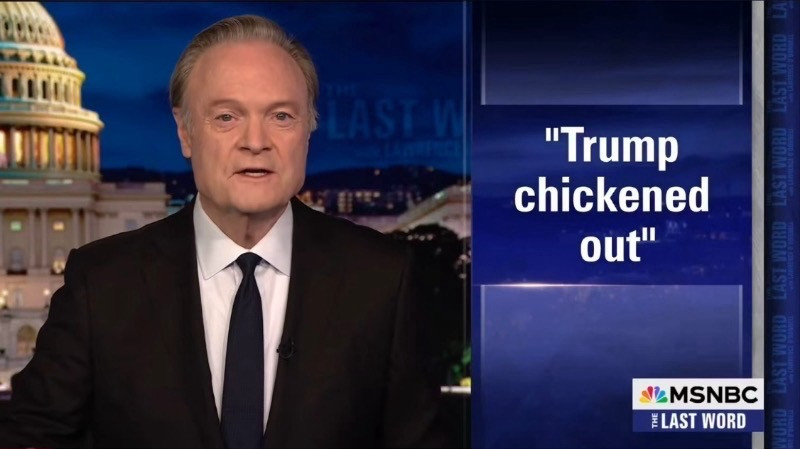
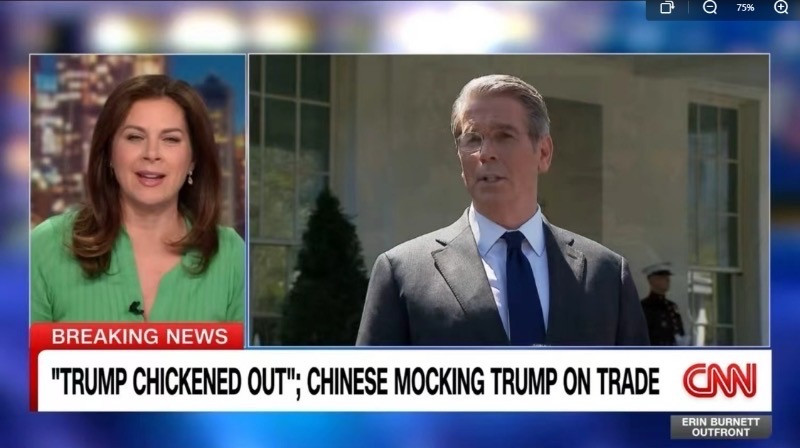
These past couple of days, the mainstream media controlled by Democrats have been overjoyed, almost ready to throw a party, lining up to watch Trump's predicament. From the information coming out of Trump's supporter camp, there are currently three main demands:
1. Stop attacking Fed Chairman Powell. It's simple: one of the foundations of the US economic system is the independence of the Federal Reserve. If Powell and his team judge that the possibility of a US economic recession is greater than high inflation, the Fed will cut interest rates, which would greatly boost investor confidence, causing both US stocks and bonds to soar. However, if Powell is forced to cut rates due to political pressure, investor confidence would collapse, causing US stocks and bonds to plummet.
Given that the US changes administration roughly every four years, with midterm elections every two years, plus the two-party game, it's a correct arrangement to let the Fed committee pursue independent monetary policy based on their professional capabilities. Especially now that Trump's policies change so frequently, who could handle it if monetary policy were also messed with?
2. The tariff war with China must be de-escalated, and negotiations must show some progress. From what we can see of China's conditions, all unilateral tariffs imposed since this year must be completely removed before formal negotiations can begin. Based on leaked information, Trump's side is considering cutting tariffs directly by half to 50-65% to start negotiations, or using a 35% rate for non-national security related consumer goods and a 100% rate for national security related items, gradually increasing over a 5-year period as a negotiation method.
The main pressure from the current stalemate should be on the US side. Why? In the last trade war, when US agricultural products couldn't be exported to China, the US government's approach was to first provide subsidies. This time, the corresponding action would be for the Chinese government to provide subsidies to companies with canceled orders, to be distributed to affected employees and bosses.
For China, replenishing stocks is a bit more challenging, requiring alternative channels. From China's perspective, soybeans and corn are being replenished from Brazil, Argentina, and South Africa; beef from Argentina and Australia; liquefied gas from Qatar and Canada; pork products from Spain; and large aircraft likely to be resolved through Europe's Airbus.
As for where the Trump administration will replenish from, it's likely to be from places they originally wanted to block for origin laundering, possibly Southeast Asian countries like Vietnam, Thailand, and Cambodia. Some Chinese goods have already moved to Singapore and Malaysia.
One of Trump's main goals in launching this trade war was to block these rerouting practices, but under the influence of greater shortages, they can only choose to turn a blind eye for now. For example, the tariffs on small postal items under $800, set to be implemented on May 2, are now seeing sales volumes of Temu and Shein skyrocketing. If the problem isn't resolved by then, this implementation will likely be further delayed.
3. Negotiations with other countries must yield results. Currently, there's no possibility with Japan, so the focus is on whether negotiations with South Korea can be salvaged. As for India, everyone in the world knows that anything done with India is just talk. India agreeing by shaking their head doesn't make much difference to them.