
How Google Holds Its Ground: Advertising Growth, AI Empowerment, and Cloud Expansion

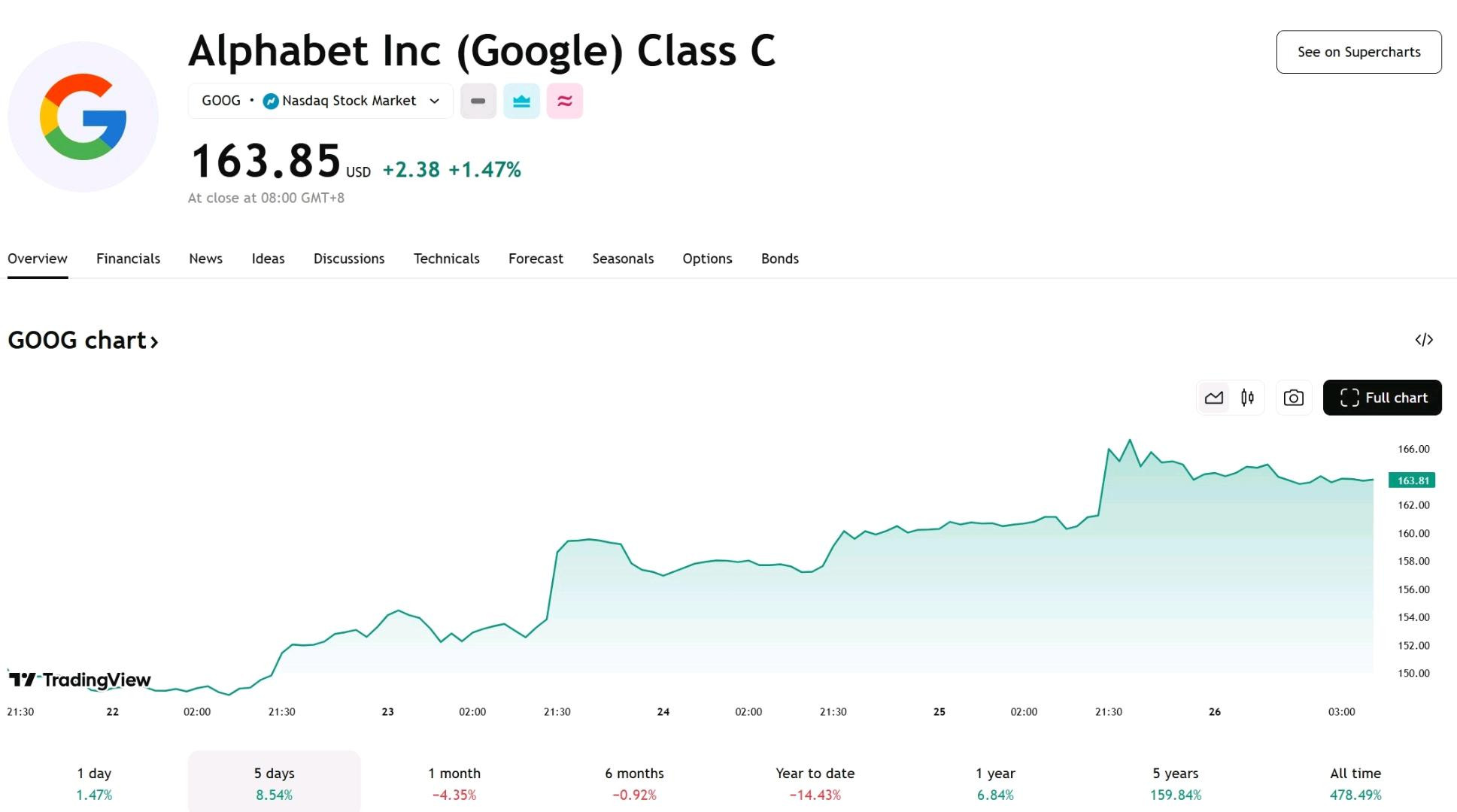
$GOOG ’s first-quarter beat wasn’t a one-off: strong advertising resilience, a booming Cloud segment, and rapid AI integration combined to drive revenue up 12% and operating profit up 20% year-over-year. As the company ramps up capital spending on AI and cloud infrastructure, it’s leveraging generative models to both delight users and streamline internal workflows—while navigating looming regulatory and tariff headwinds.
Has Advertising Resilience Surprised Investors?
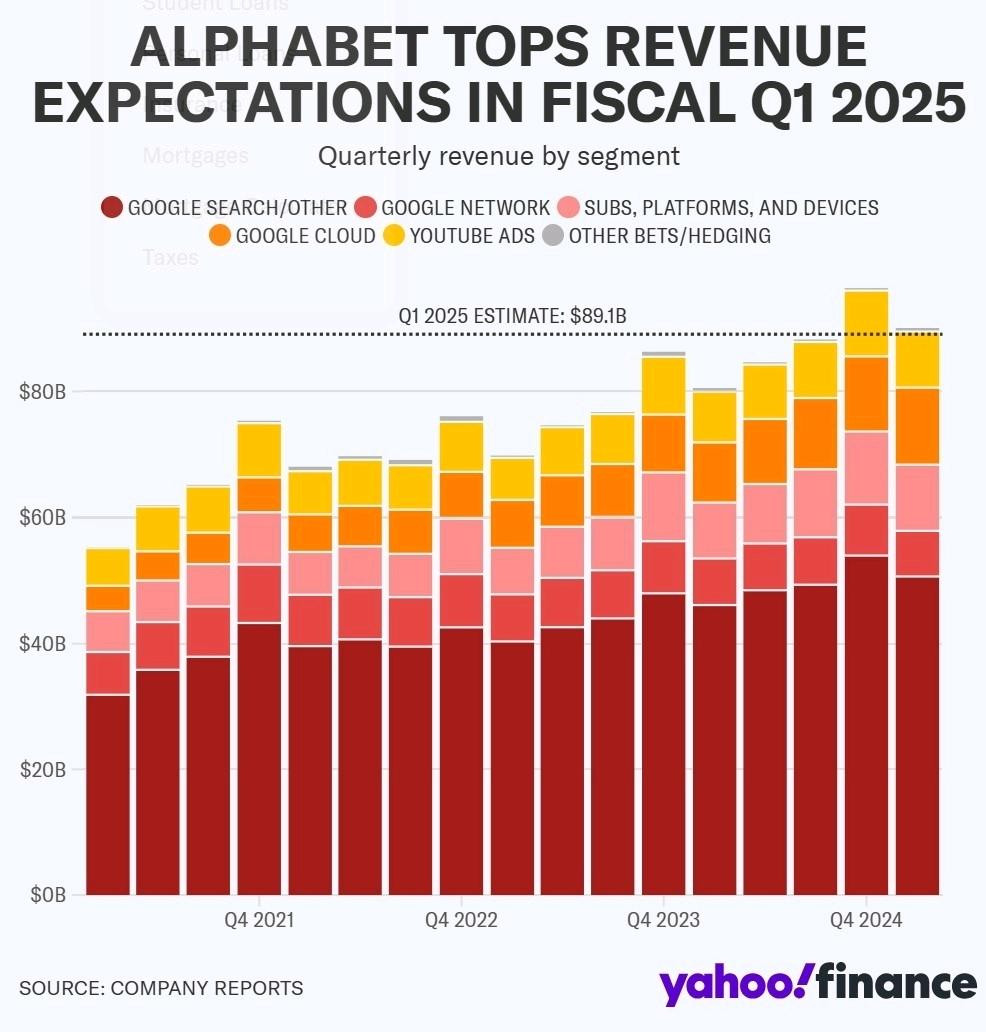
Alphabet delivered a stellar first quarter, with revenue climbing to $90.23 billion—12 percent higher year-over-year—surpassing Wall Street’s $89.12 billion forecast. Operating profit surged 20 percent to $30.6 billion, well above expectations. Even core ad revenue, often under scrutiny for signs of fatigue, showed robust growth: Search and other ads generated $50.7 billion (up 9.8 percent), and YouTube ad sales rose to $8.93 billion, narrowly trailing the $8.97 billion StreetAccount estimate. Despite macro headwinds and an upcoming de minimis tariff change, advertisers are responding to $GOOG ’s AI-powered tools, which management says have boosted conversion rates by about 26 percent annually.

Can Cloud Catch the Next Wave?
Google Cloud emerged as the fastest-growing segment, posting $12.26 billion in Q1 revenue—a 28 percent jump from last year—and nearly doubling its operating margin to 17.8 percent. The boost comes partly from AI infrastructure investments: the new seventh-generation TPU Ironwood chip has ten times the compute power of its predecessor, and the Vertex AI platform now supports over 200 distinct models. With a $32 billion acquisition of cybersecurity firm Wiz in the pipeline, $GOOG is shoring up multi-cloud security—critical for luring enterprise customers in a competitive market where it currently holds about 12 percent share. CFO Anat Ashkenazi emphasized that capex is set to hit $75 billion for the full year, underpinning growth in servers, data centers, and AI tooling.
Why Is AI Conversion the New Ad Currency?
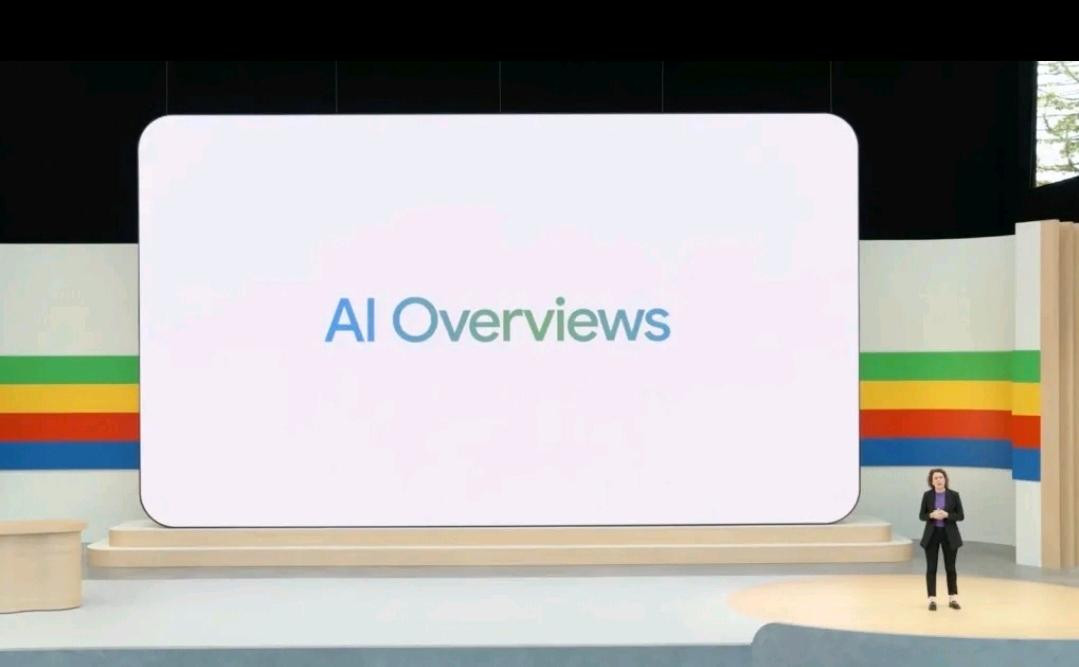
From AI Overviews in search to generative models in ads, $GOOG ’s AI innovations are reshaping user engagement. CEO Sundar Pichai revealed that 1.5 billion monthly users now interact with AI Overviews, up from 1 billion in October. Advertisers deploying AI-optimized Performance Max campaigns cover 91 percent of retail customers, and AI-driven code generation has accelerated internal R&D—roughly 30 percent of new code is AI-assisted, slashing development timelines. This internal efficiency gain, coupled with Pixel devices featuring Gemini Live camera AI, signals Google’s strategy to fuse hardware and software for seamless AI experiences.
What’s Driving Resilient Ad Spend?
Advertisers are navigating “high volatility, weak growth” across regions, yet U.S. and China ad spend remain surprisingly sturdy. In China, GDP growth of 5.4 percent is fueling e-commerce ad budgets, while U.S. retail and travel sectors continue to pour dollars into digital channels. Despite a legal ruling labeling $GOOG ’s ad business as an illegal monopoly and looming tariff shifts for APAC-based retailers, Philipp Schindler, Chief Business Officer, insists Google’s deep consumer insights and automation tools are helping clients thrive amid uncertainty.
Is Regulatory Risk the Next Storm?
Short-term headwinds loom large: a recent U.S. court decision on ad monopolization and changes to the de minimis trade exemption threaten to trim ad revenue growth in Q2. The latter, effective May 2, could weigh on spending by Chinese e-tailers like Temu and Shein. While management downplays speculation on macro effects, investors are cautious; Q2 guidance will hinge on how quickly advertisers adapt to new AI formats and tariff regimes.
How Far Can Waymo Drive Growth?
Alphabet’s “Other Bets” segment lost $1.23 billion in Q1, with revenue falling to $450 million. But Waymo is accelerating adoption, offering over 250,000 fully autonomous paid rides weekly across four U.S. cities—up from 200,000 rides in February. CEO Sundar Pichai sees this unit as a long-term play in autonomous mobility, yet profitability remains a distant target.
What Should Investors Watch Next?
• Dividend and Buyback Boost: Google raised its dividend by 5 percent and authorized $70 billion in additional share repurchases, signaling confidence in cash flow sustainability.
• Capex Trajectory: With $172 billion invested in Q1 alone (vs. $120 billion a year earlier), investors must weigh near-term earnings drag against future AI and cloud payoffs.
• AI Rollout Speed: Market reaction will depend on adoption rates for Gemini 2.5 Pro across search, ads, and enterprise services. Rapid user uptake could translate into stronger monetization.
$GOOG ’s Q1 beat underscores its ability to pivot amid macro and regulatory headwinds, leveraging AI to fortify its core while fueling cloud’s ascent. Yet as tariffs and antitrust pressure build, the challenge will be sustaining momentum without overextending on capex. For now, investors can celebrate an impressive rebound—but must stay alert to policy shifts and execution risks in the quarters ahead.
This content is provided for informational or educational purposes only and does not constitute investment advice.