
Is Trump Shaking Up Markets Again?: Latest Moves on Stock Trades, Tariffs, and Why the Rally Might Stall

In a whirlwind of announcements, President Donald Trump vowed to sign a ban on stock trading by members of Congress, declared U.S.–Japan and Russia–Ukraine deals “very close,” and reignited doubts about the sustainability of Wall Street’s recent rebound. Here’s what you need to know—big headlines first, then the details.
What Just Happened?
• Trading Ban for Congress: Trump says he will “absolutely” sign legislation prohibiting lawmakers from trading stocks, aiming to curb perceived insider advantages.
• Tariffs and Trade Talks: He’s unlikely to extend any 90-day tariff pause, but asserts U.S.–Japan trade accords are on the brink.
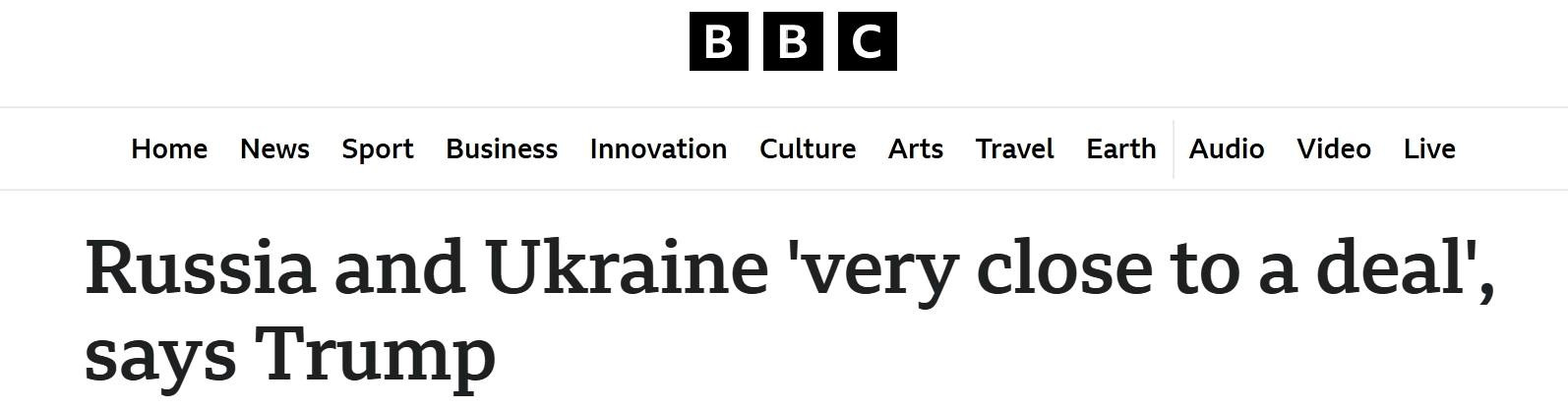
• Russia–Ukraine Peace: Trump claims both sides are “very close” to an agreement and urges high-level talks to end the war.
• Market Rebound Warning: Bank of America’s Chief Investment Strategist, Michael Hartnett, cautions that the recent U.S. stock and dollar rally may prove fleeting without a trade deal, Fed rate cuts, and resilient consumer spending.
Will Members of Congress Be Barred from the Stock Market?
In an interview with Time magazine, Trump pledged to sign any bill that bans congressional stock trading. Citing concerns that lawmakers might exploit nonpublic information, he said, “If they send me the legislation, I will sign it.”
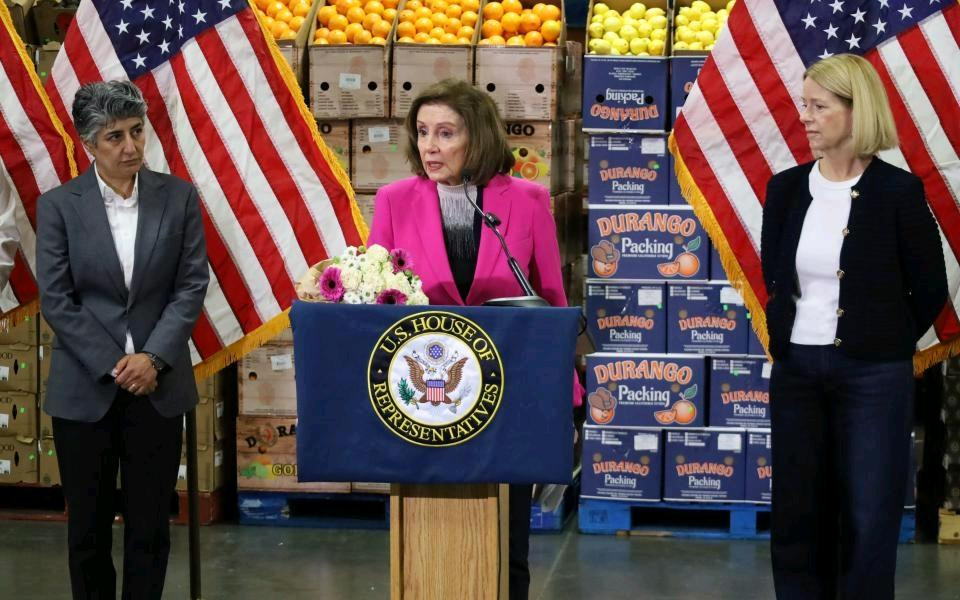
Lawmakers from both parties have long eyed similar restrictions, arguing that access to classified briefings and insider data grants unfair market advantages. Trump singled out Nancy Pelosi, who as Speaker opposed such a ban—even though her husband’s investments in real estate and venture capital have drawn criticism for blockbuster returns on pandemic-related stock moves.
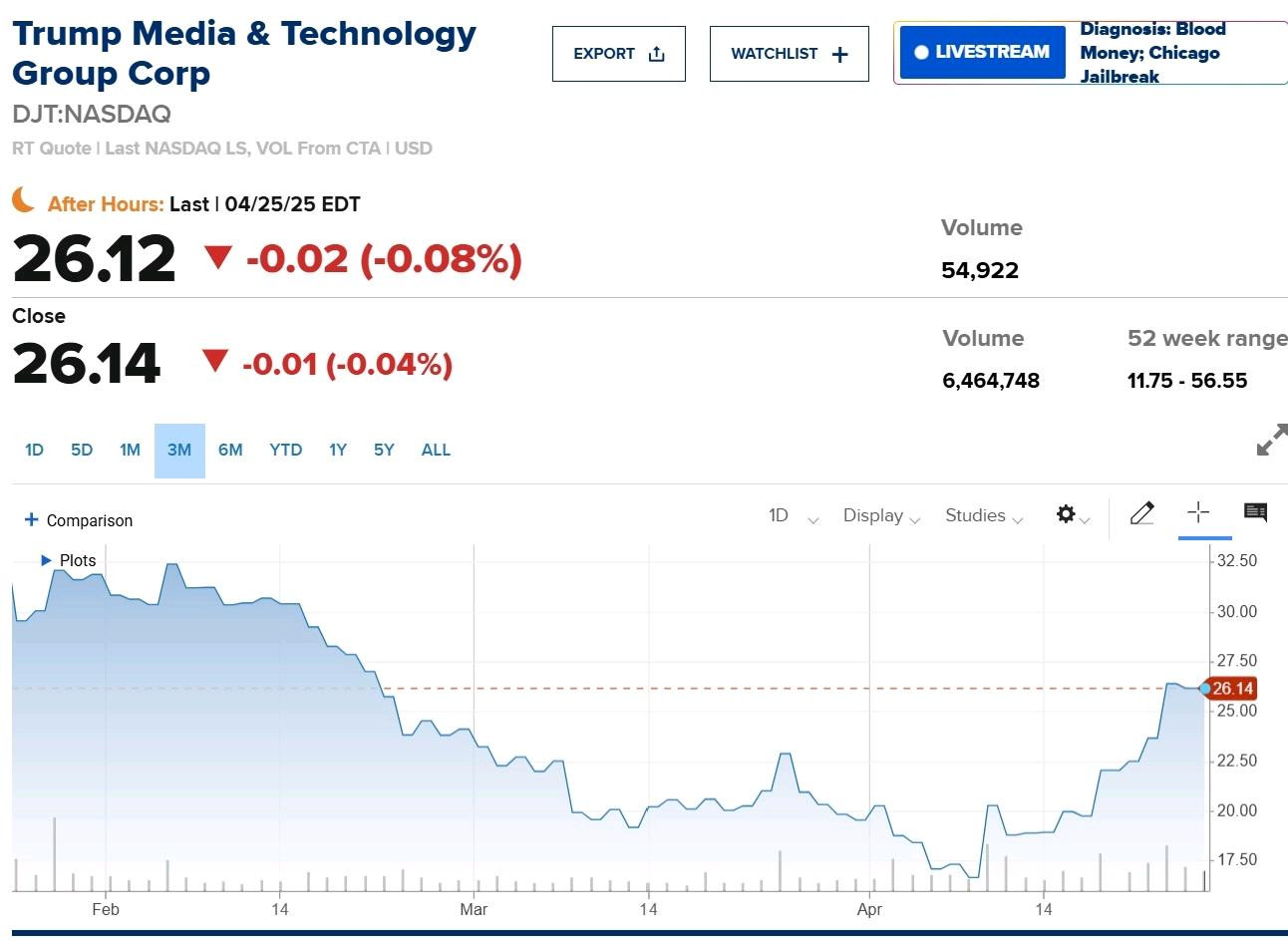
The pledge follows market volatility tied to abrupt shifts in U.S. tariff policy. On April 9, Trump posted on his social platform that the open window was a “buy opportunity!” just half an hour after markets opened. Then he unexpectedly suspended reciprocal tariffs for 90 days, spurring a nearly 10% surge in $SPX and a 22% leap in shares of his own $DJT . Critics blasted the twinned posts and tariff whipsaw as potential market manipulation benefiting insiders while retail investors faced staggering losses just days earlier.
Can Tariffs and Trade Deals Drive Stability?
Despite hinting that he won’t renew any tariff delay beyond 90 days, Trump struck an optimistic tone on global commerce. He said the U.S. is “very close” to finalizing a trade agreement with Japan and emphasized that the tariff saga “is going very well.”
Yet business leaders and analysts remain wary. Sudden halts or extensions of duties have roiled supply chains and corporate planning. Trump insists that he’s negotiating “reasonable” terms, but until formal accords are inked, uncertainty looms large for manufacturers and exporters alike.
Is Peace on the Horizon in Ukraine?
On April 25, Trump took to social media to report progress in talks involving Russia and Ukraine. “They’re very close,” he said, urging a summit of senior officials to “end the war.” Russian aides confirmed that President Putin met for three hours with U.S. Middle East envoy Clifford “Cliff” Witkoff, calling the exchange “constructive” and paving the way for direct Russian–Ukrainian negotiations.
Still, Kremlin spokesman Dmitry Peskov made clear there would be no joint statement, and Russian officials bristled at Trump’s claim of setting a “deadline” for U.S. involvement—something they say never happened.
Why Might the Stock Rally Run Out of Steam?
After weeks of downward pressure, $SPX , $NDAQ , and the U.S. dollar notched a four-day winning streak. Yet Bank of America’s Michael Hartnett warns that this uptick may prove temporary. In a recent strategy note, he advised taking profits on equity and dollar gains until underlying risks abate.
Hartnett argues three conditions must be met for a sustained market advance:
1. A Definitive Trade Deal: He and his team say only a clear agreement ending tariff uncertainty will give companies confidence to invest and spend. Without it, the threat of tit-for-tat duties will linger.
2. Federal Reserve Rate Cuts: Lowering interest rates would help push Treasury yields down, easing borrowing costs and enticing investors back into stocks. Fed officials have hinted at possible easing this summer if economic data softens.
3. Steady Consumer Spending: Despite inflation worries, Americans continue to spend, buoyed by a strong labor market. A meaningful drop in household outlays could spark fears of recession.
Hartnett observes that the dollar remains in a long-term downtrend, with capital flows drifting away from U.S. assets. He predicts the exodus will persist until trade headaches, Fed support, and consumer resilience align.
What’s Next?
In the short term, market participants—and the broader public—will watch for any legislative movement on congressional trading bans, official releases on U.S.–Japan talks, and concrete steps toward a Russia–Ukraine face-to-face summit. On the economic front, Fed minutes and retail spending data will reveal whether the three conditions for a genuine market turnaround are falling into place.
Bottom Line
Between Trump’s high-stakes pronouncements on Congress’s trading, trade deals, and peace negotiations—and Wall Street’s tenuous rally—uncertainty reigns. Unless tariffs are tamed, rates eased, and consumers keep opening their wallets, the recent bounce may prove a brief reprieve rather than a lasting recovery. Stay tuned: the next chapter in this political-economic drama is unfolding fast.
This content is provided for informational or educational purposes only and does not constitute investment advice.