
Can the Fed Stand Firm Against Political Pressure? Inside Powell’s Defiant Address and What It Means for Financial Stability

Key Takeaways
• Fed Chair Jerome Powell forcefully defended the central bank’s independence at an IMF gathering on April 25.
• He stressed that political influence must not derail the Fed’s dual mandate of price stability and full employment.
• The Fed’s latest Financial Stability Report flags “global trade risk” as the top threat to markets, outranking U.S. debt concerns for the first time.
What Did Powell Say—and Why Does It Matter?
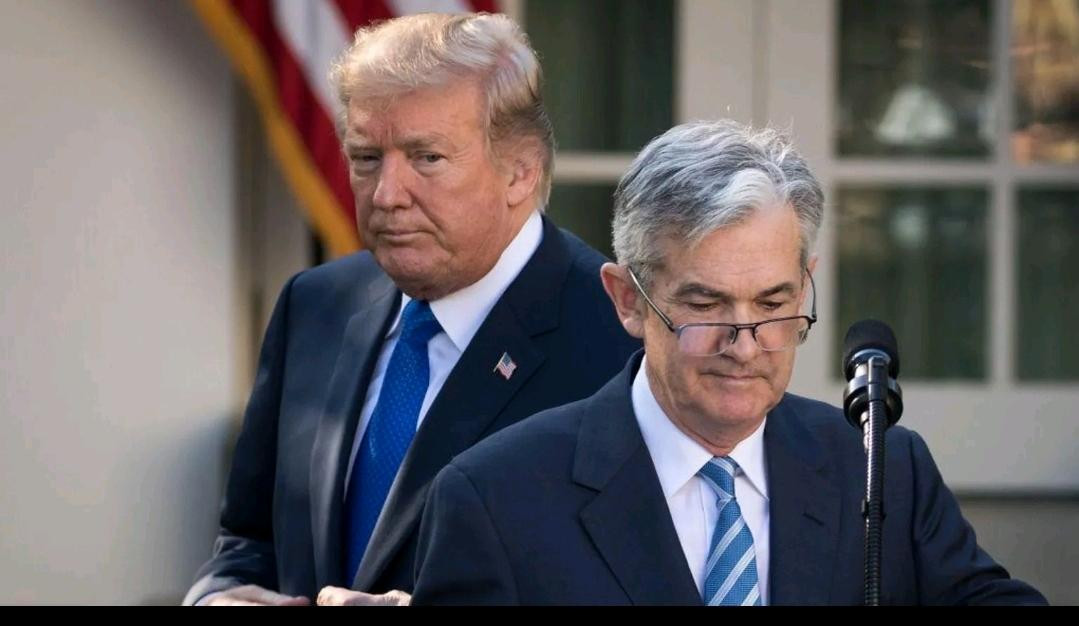
At a private IMF meeting with finance ministers and central bankers on April 25, Jerome Powell delivered one of his most spirited defenses of the Federal Reserve’s independence in recent memory. Facing renewed public pressure from President Trump—who has called him a “big loser” and demanded rate cuts—Powell made clear that the Fed must be free to set policy based on economic data, not political winds. His remarks drew multiple rounds of enthusiastic applause, underscoring broad support among his peers for keeping monetary decisions at arm’s length from electoral politics.
Is the Fed Really Under Threat?
President Trump’s criticism of the Fed has intensified this month, renewing investor worries about potential political meddling. Earlier this week, Minneapolis Fed President Neel Kashkari bluntly countered the administration’s insinuations, saying: “My shifts from dovish to hawkish views are driven by evolving economic data, not politics.” Chicago Fed President Charles Evans echoed the sentiment on a financial news program, warning that any persistent interference would risk higher inflation, weaker growth, and elevated unemployment.
Fed in “Quiet Period”—What’s Next?
By longstanding convention, the Fed entered its “quiet period” on the Saturday before its May 6–7 policy meeting, during which senior officials refrain from public commentary. All signs point to a pause: Powell and colleagues have signaled they intend to hold rates steady for the third consecutive meeting. Policymakers cite lingering uncertainties around the administration’s trade policies—especially recent tariffs—that may stoke inflation later this summer.
How Big Is the Trade Risk?
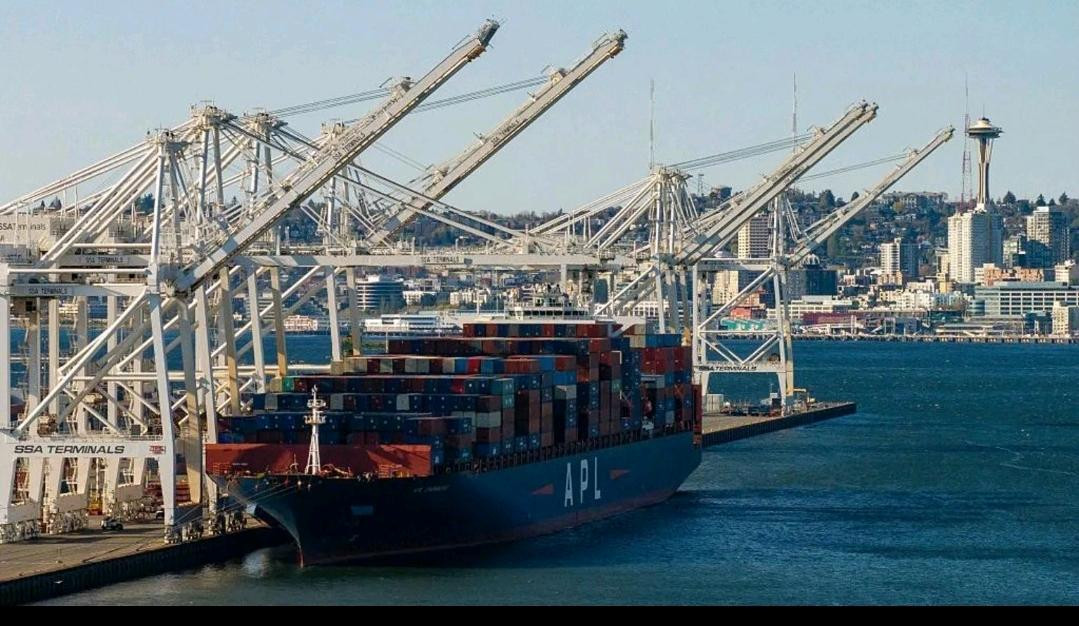
On the same April 25, the Fed released its semiannual Financial Stability Report covering market conditions through April 11. In its “Prominent Financial Risks Survey,” 73% of respondents named “global trade risk” as the chief threat to financial stability—more than double the share in the November report—and bumping U.S. government debt sustainability down to third place. Half of those surveyed also flagged “policy uncertainty” as a growing worry.
What the Data Reveal
The report highlights four main vulnerabilities over the past six months:
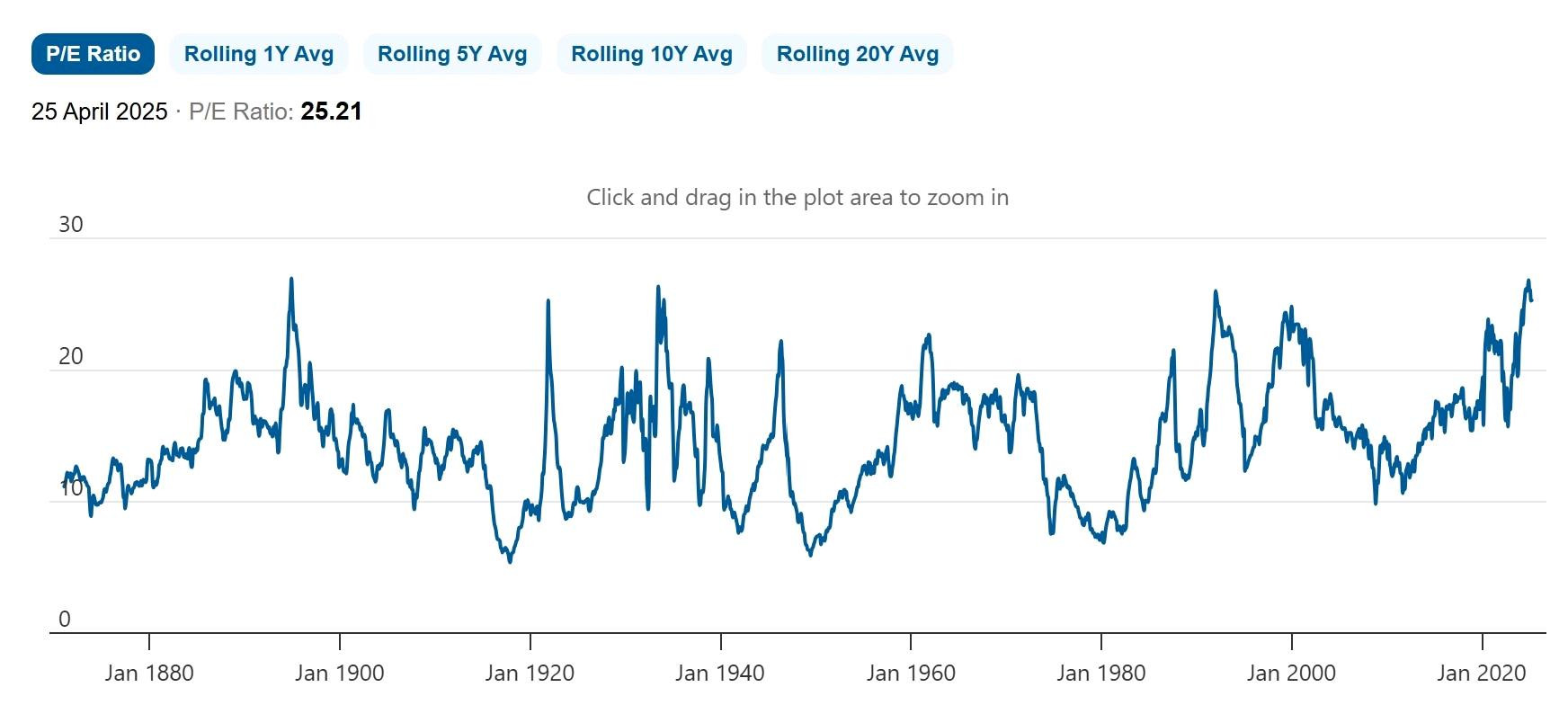
1. Asset Valuations: Equities’ price-to-earnings ratios remained near historic highs, even after early-April volatility. Analysts’ earnings forecasts haven’t adjusted as rapidly as stock prices have fallen.
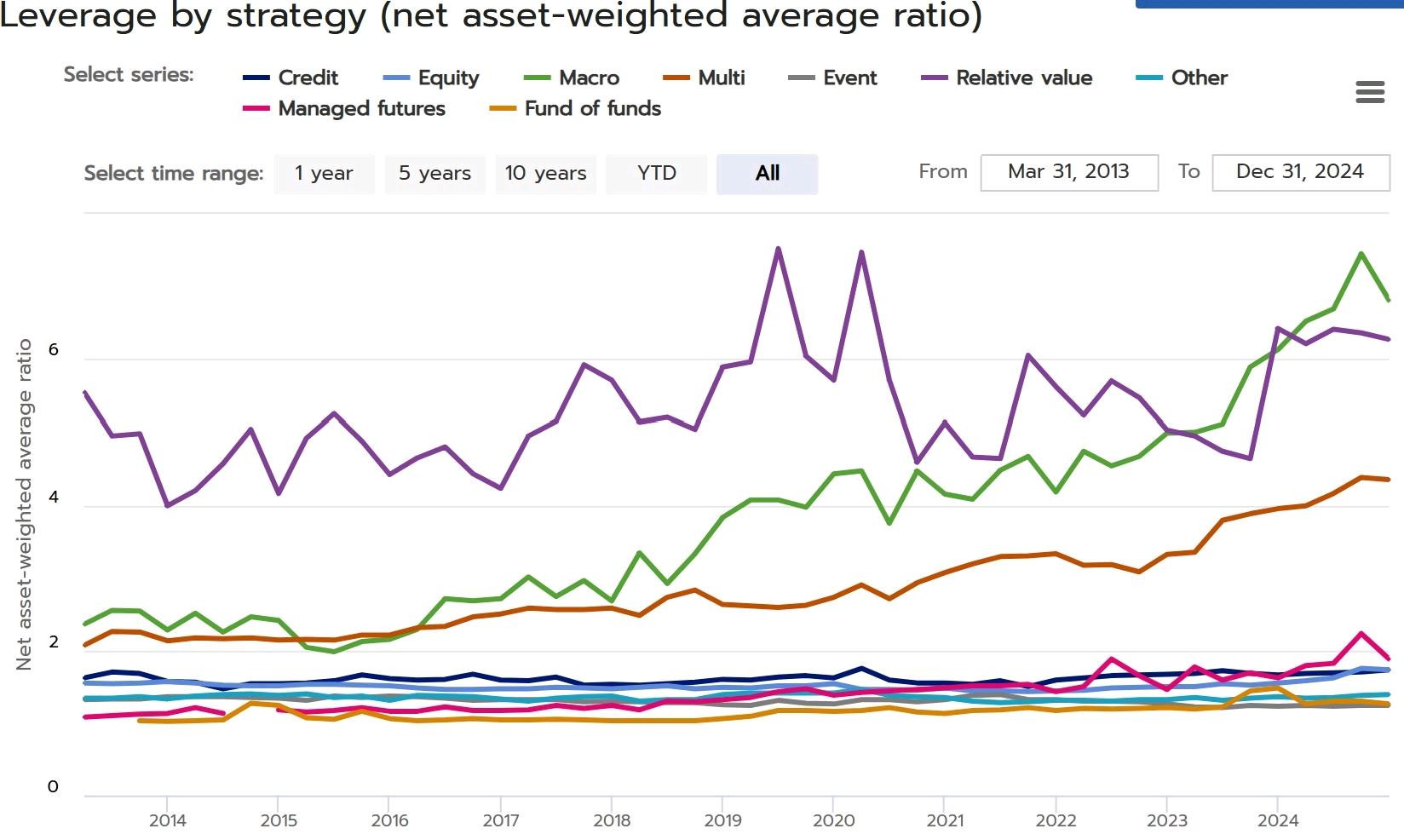
2. Leverage in Banking and Nonbank Finance: Hedge funds’ leverage ratios are at—or near—record levels, raising concerns about fire-sale risks during shocks.
3. Corporate and Household Borrowing: Debt burdens have continued to climb, making some borrowers more sensitive to rate moves or market stress.
4. Funding Risks: Funding markets, particularly for repos and short-term wholesale funding, saw episodes of liquidity strain in early April—though orderly functioning largely resumed.
In addition, 27% of survey participants said they worried most about strains in the U.S. Treasury market, up from 17% last autumn. Concerns about foreign investors pulling back from U.S. assets and potential dollar weakness also rose.
What Happens Next?
While Fed officials are entering a listening mode ahead of their May meeting, the underlying warning signs remain. Powell’s bold pushback on April 25 aimed to shore up confidence that monetary policy will stay focused on inflation and employment targets—regardless of political pressure. Yet the Fed’s own data suggest that global trade tensions and policy unpredictability are casting a long shadow over financial stability. As markets brace for the next round of tariffs and potential retaliations, investors and policymakers alike will be watching closely to see whether the Fed can maintain its independence—and the delicate balance of economic growth and price stability that so many count on.
This content is provided for informational or educational purposes only and does not constitute investment advice.