
Is the US Economy Heading Toward Recession as Tariffs Hit Consumers and Businesses?

As the U.S. continues to grapple with rising tariffs and shifting trade dynamics, it seems increasingly likely that a recession could be on the horizon. The effects of tariffs are being felt deeply by both consumers and businesses alike, with price hikes, falling consumer confidence, and slowing business activity becoming more apparent by the day. Apollo's latest analysis and a wave of price adjustments from major cross-border e-commerce platforms suggest that the economic slowdown is far from theoretical—it’s happening now.
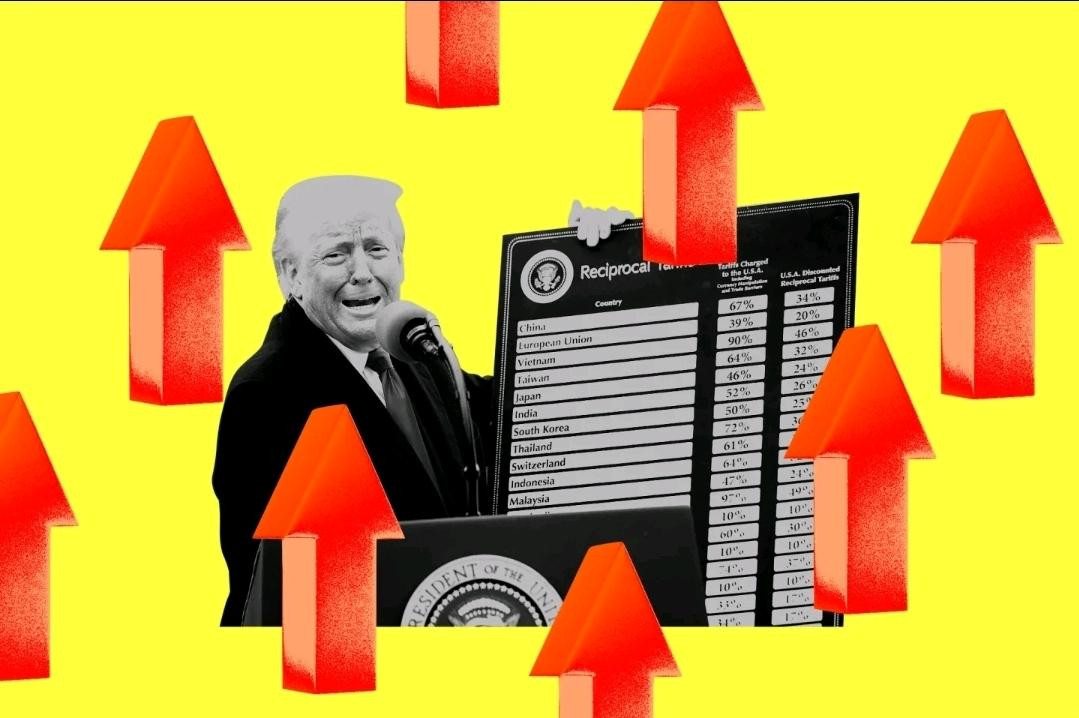
The Economic Impact of Rising Tariffs
According to a recent report from Apollo, a leading economic research firm, the impact of tariffs on the U.S. economy is becoming more pronounced. The data suggests that by the summer of 2025, the U.S. could face a recession driven by disruptions to supply chains and the longer transport times caused by increased tariffs.
Key indicators already show a downturn in business activity. New orders are dropping, capital spending plans are being slashed, and inventory levels are rising as companies stock up before tariffs are implemented. Businesses are also revising their profit expectations downwards, reflecting the growing cost pressures they are facing.
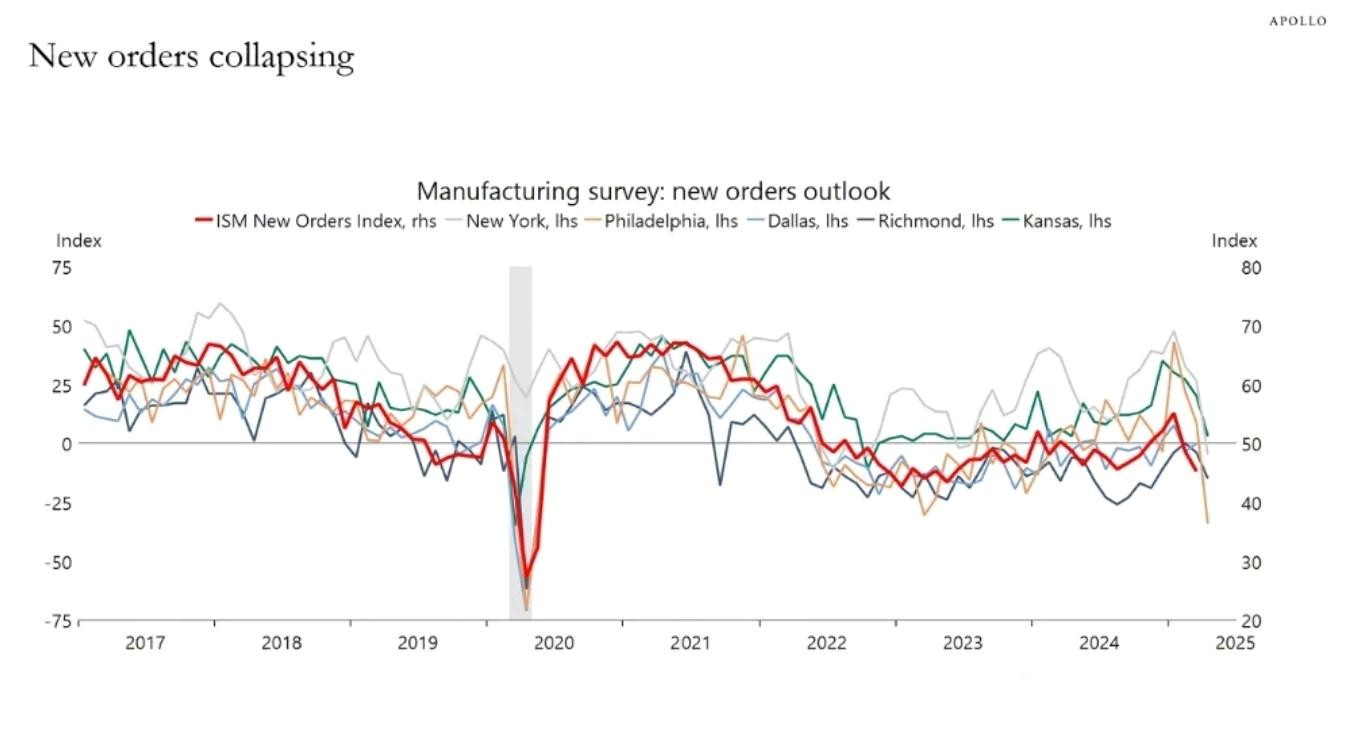
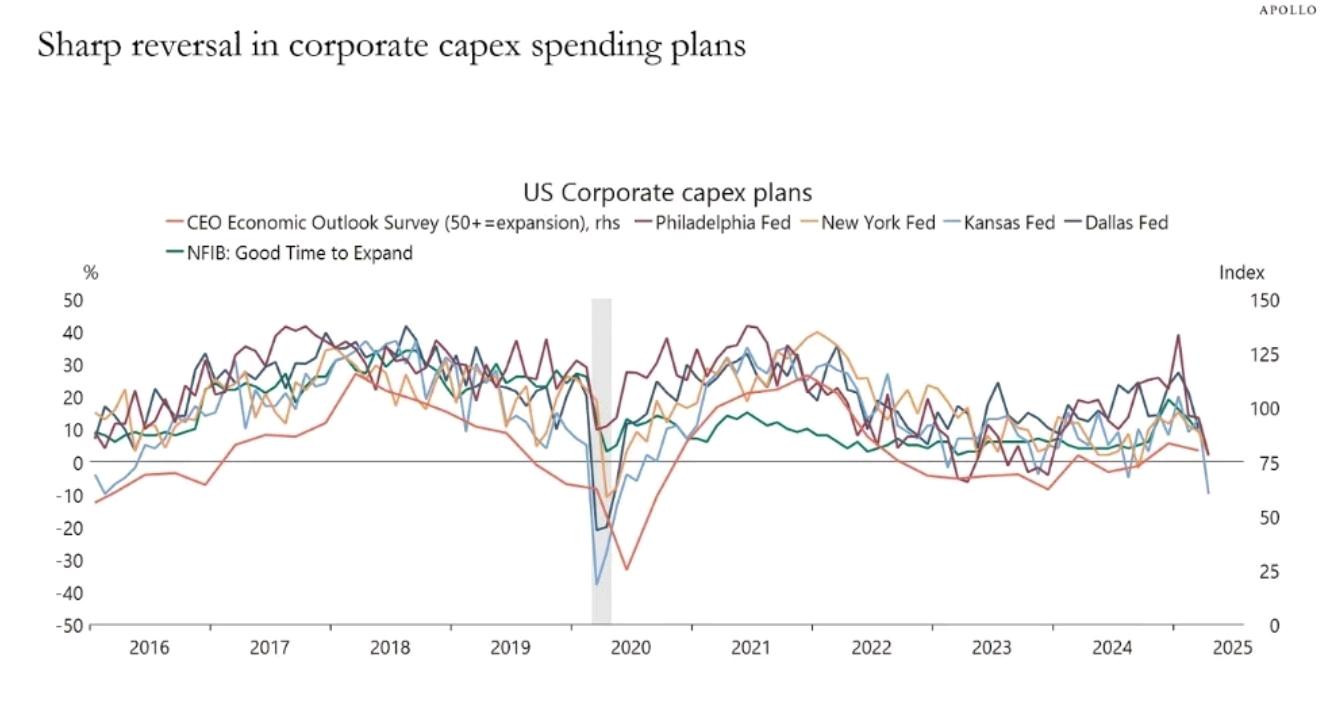
For consumers, the outlook is equally grim. Consumer confidence has reached historic lows, as people are feeling the pinch from rising prices on everything from household goods to electronics. In anticipation of higher prices, many consumers have rushed to make purchases before tariffs drive up costs further. While this may have provided a temporary boost to retail, it has also drained future spending power, leaving consumers with less to spend in the months to come.
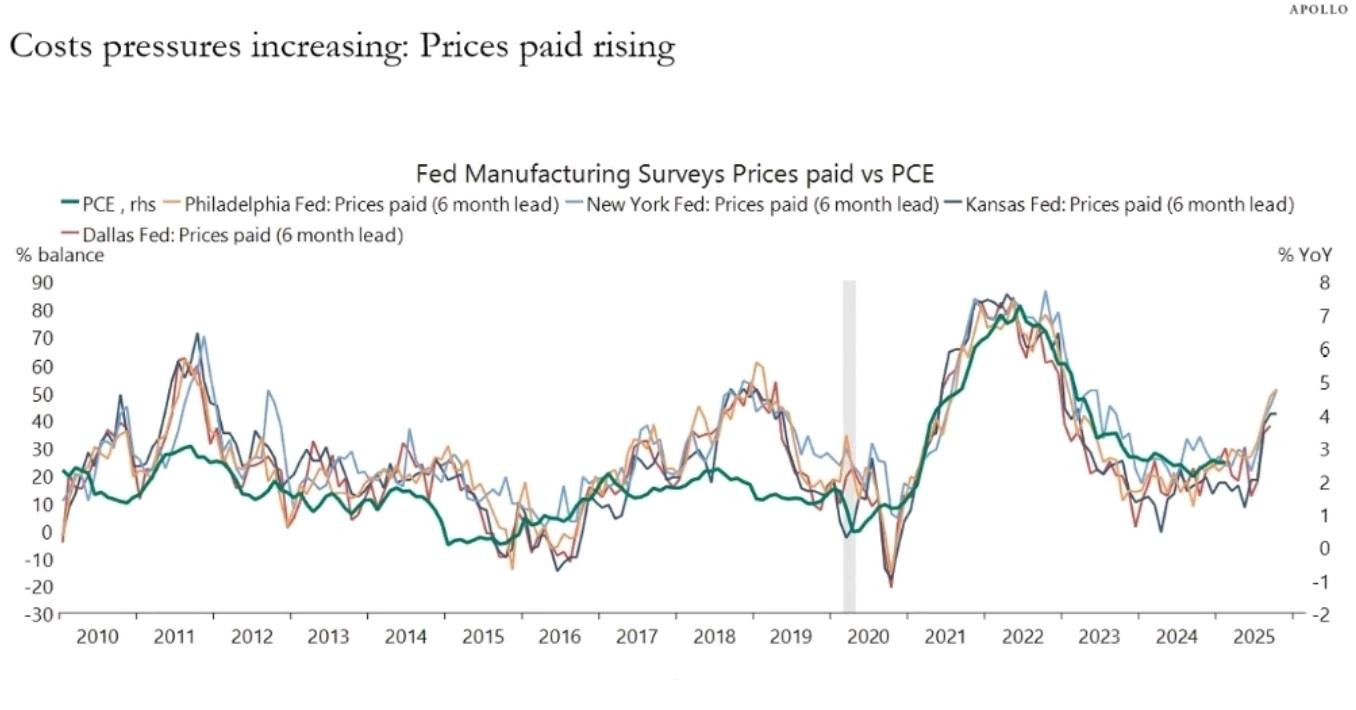
International travel, which had been on the rise post-pandemic, is also starting to slow, further signaling that consumers are tightening their belts. With Americans buying less and businesses cutting back on investments, the broader economy is starting to show signs of strain.
A Recession in the Making: What’s Coming in 2025?
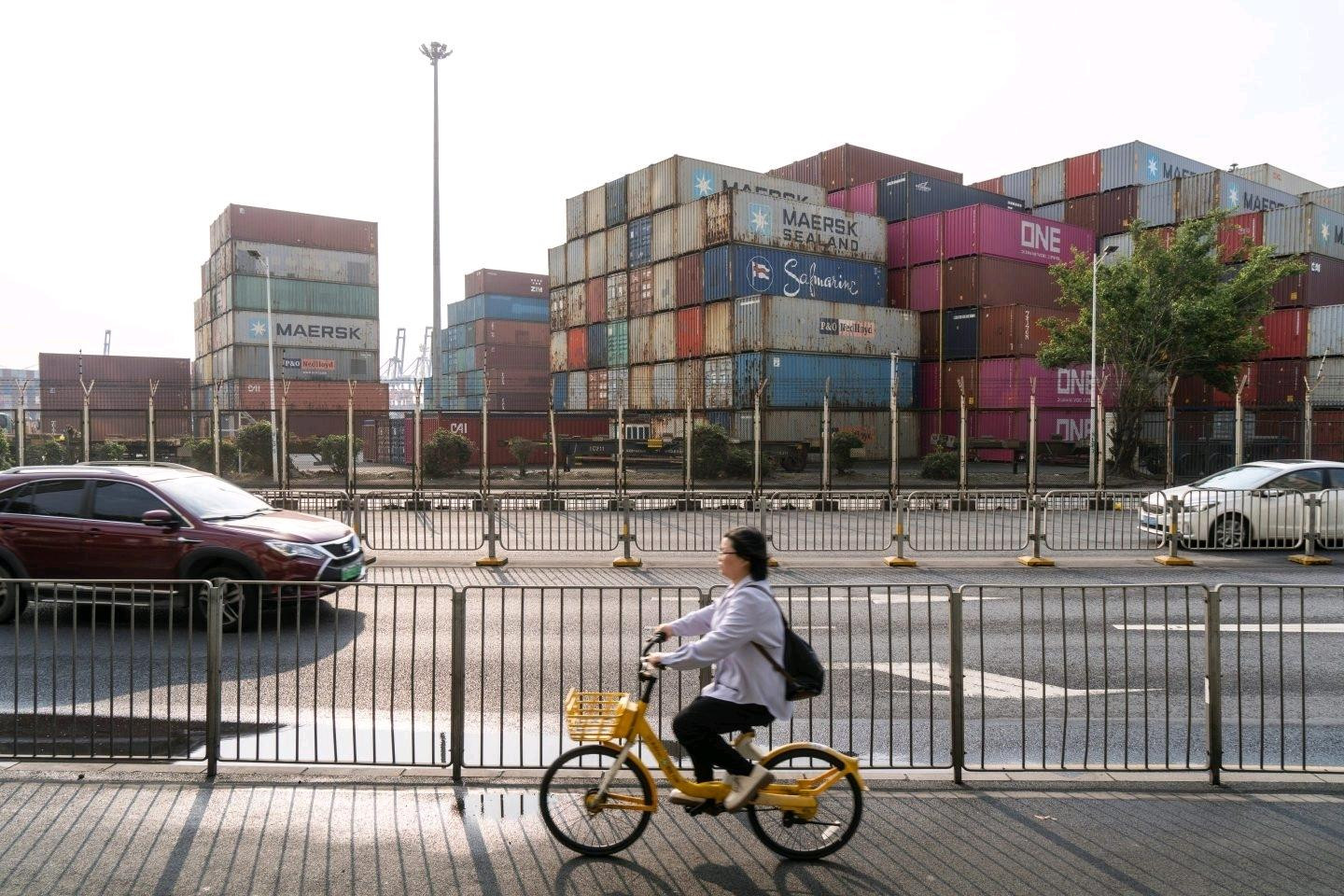
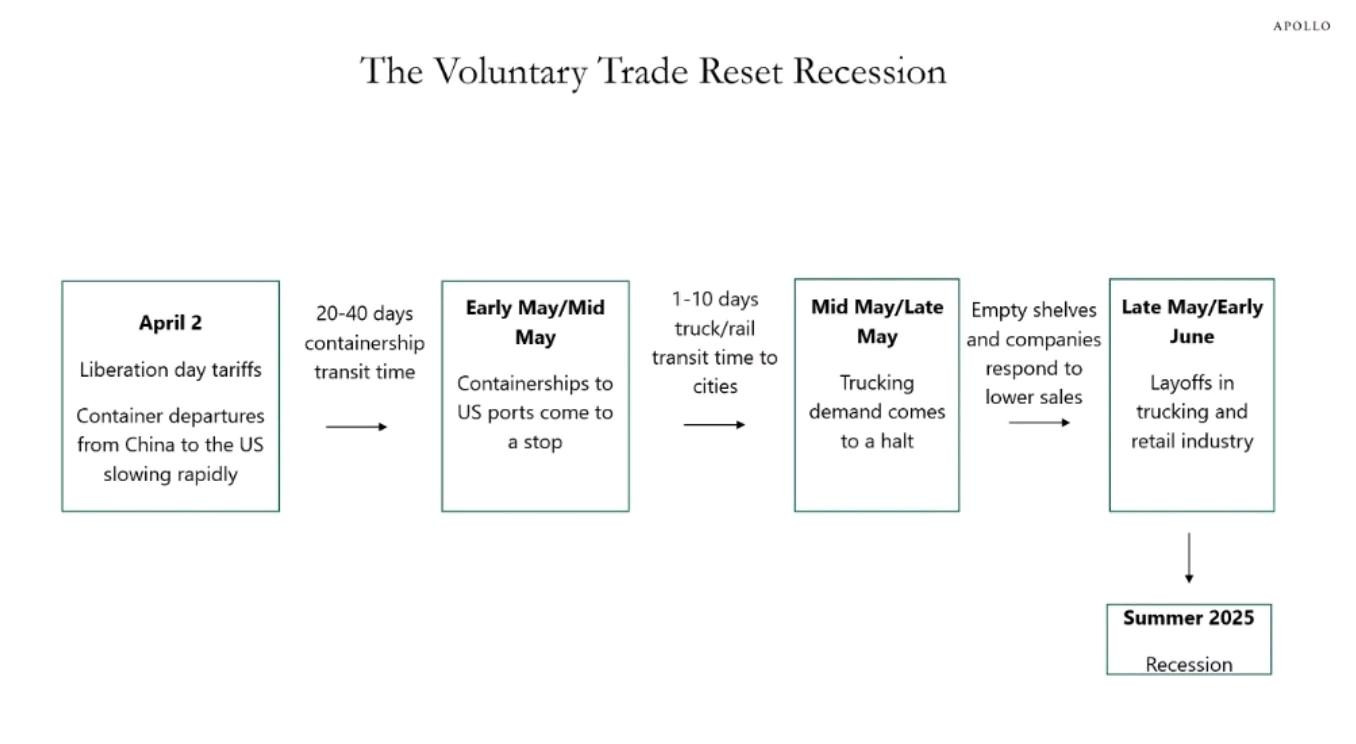
Apollo's economic team has outlined a timeline that paints a concerning picture for the U.S. economy. Starting in April 2025, the effects of tariffs and related trade disruptions will begin to ripple through the economy. By May, container volumes at U.S. ports will plummet, and transportation times will lengthen due to increased tariffs and logistical bottlenecks.
As inventory levels continue to rise, U.S. businesses will begin facing serious challenges, with some sectors already feeling the effects of reduced demand. By late May or early June, layoffs will start hitting the freight and retail sectors as companies adjust to slowing sales. The final blow will likely come by the summer of 2025, when the economy officially enters a recession.
Tariffs Trigger Price Increases Across Consumer Goods
The impact of tariffs isn’t limited to businesses alone. Consumers are now feeling the effects directly, as prices on goods across various sectors continue to climb. In particular, cross-border e-commerce platforms like SHEIN and Temu have already raised prices due to rising operational costs driven by the latest round of tariffs. Both platforms recently sent notifications to U.S. customers announcing price hikes, with some products seeing increases of up to 91%.

For example, a swimsuit that was priced at $4.39 on SHEIN on April 24th saw its price soar to $8.39 just a day later. Similarly, on Temu, a set of patio chairs went from $61.72 to $70.17 in the same time frame. These price hikes are being attributed to changes in global trade regulations, specifically those stemming from new tariff policies.
The price increases aren’t limited to smaller e-commerce platforms. Even major players like $AMZN have been forced to adjust their prices upward, with nearly 1,000 items across a range of categories—such as electronics, clothing, and home goods—seeing significant increases. SmartScout data revealed that prices for items like power banks and other consumer electronics jumped by as much as 20-30% in April alone.
The Shift in Cross-Border E-Commerce and New Business Strategies
These price hikes reflect broader changes in the landscape of global trade. In particular, the U.S. government’s decision to eliminate the “small-package” exemption for Chinese goods under $800 is creating new challenges for cross-border e-commerce platforms that were previously able to offer lower prices by circumventing tariffs. This policy change, which took effect in April 2025, requires businesses to pay tariffs of up to 120% on packages valued under $800, which has resulted in increased costs for companies like SHEIN and Temu.
The consequences of this tariff shift are being felt not only in higher prices but also in a strategic shift among e-commerce companies. To offset the additional tariff burden, Temu, SHEIN, and other platforms have been diversifying their supply chains and reducing their reliance on China. This strategy aims to minimize exposure to tariff risks by sourcing more products from regions not affected by the new trade policies, including the U.S. and other parts of the world.
Moreover, both SHEIN and Temu have reduced their advertising spend in the U.S., signaling a shift in focus from aggressive expansion to more sustainable, localized operations. In the short term, this could slow the platforms’ growth, but in the long term, it may help them mitigate the impact of tariffs and adjust to the new economic reality.
The Future of U.S. Consumer Behavior: Less Spending, More Caution
With tariffs driving up costs and consumer confidence sinking, it’s clear that U.S. consumers are entering a phase of cautious spending. The shopping habits of Americans are changing, with many consumers opting for more value-driven purchases or reducing their overall consumption. This is having a direct impact on sectors like retail and travel, where consumer sentiment is rapidly cooling.
In the months to come, it’s likely that both businesses and consumers will continue to adapt to the new realities of higher costs and economic uncertainty. While some sectors may face a more immediate downturn, others may find ways to innovate and adjust. However, as Apollo’s forecast indicates, the broader U.S. economy could face a period of sustained stagnation leading into the summer of 2025, with a potential recession looming.
Conclusion: A Tough Road Ahead
The confluence of rising tariffs, shifting global trade patterns, and changing consumer behavior is creating a perfect storm for the U.S. economy. As we move closer to 2025, the risk of recession is becoming more apparent, with businesses struggling to cope with rising costs and consumers holding back on spending. The challenge for U.S. businesses and consumers alike will be to navigate these turbulent waters as the impact of tariffs continues to ripple across the economy.
This content is provided for informational or educational purposes only and does not constitute investment advice.