
How Will the Tech Giants Navigate the Tariff Storm?

As next week’s earnings reports loom, some of the biggest names in the tech industry are bracing for a rough ride. $AMZN and $AAPL , two of the companies most exposed to the trade war, are expected to feel the brunt of the tariff chaos. With their global supply chains heavily reliant on overseas manufacturing, both are likely to face significant pressures as tariffs ramp up.

How Will Tariffs Impact Tech Giants?
Next week will be pivotal for tech investors as major companies, including $META , $MSFT , $AMZN , $AAPL , and $SPOT , report their earnings. With supply chain disruptions and increased tariffs on imported goods, analysts are anticipating that these companies will have a lot to address. While all the tech giants are feeling the heat, $AMZN and $AAPL are standing at the front line of this economic storm.
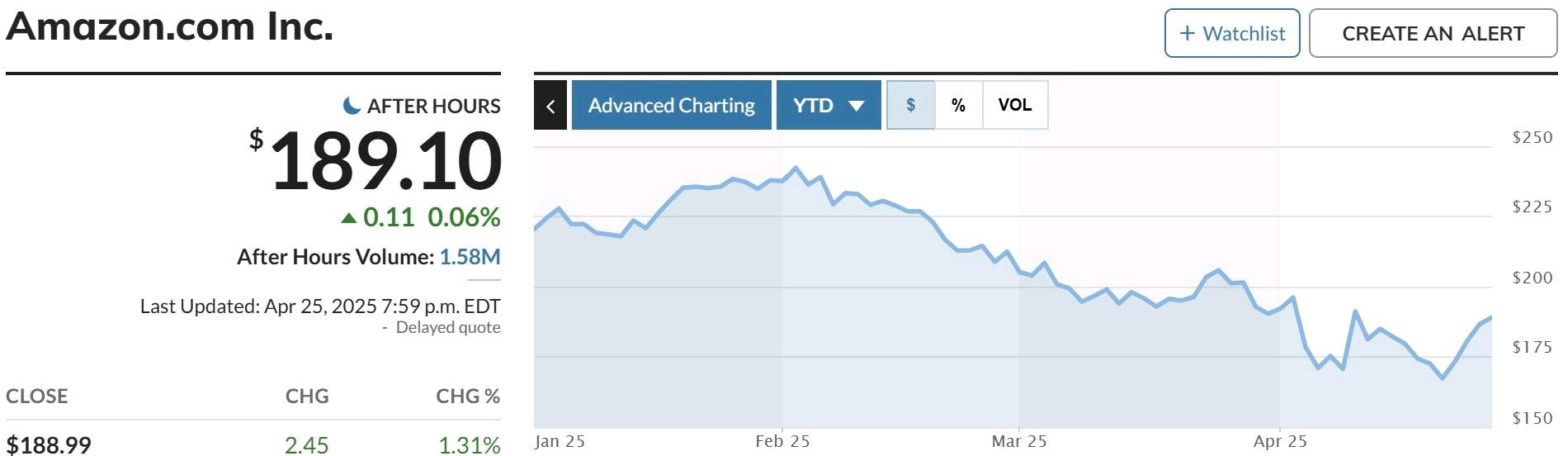
$AMZN , heavily reliant on Asian suppliers and retailers, is expected to be one of the hardest hit. The company’s revenue from advertising and retail is at risk as rising tariffs could inflate costs, making it more expensive to source products from abroad. $AMZN ’s earnings report, due Thursday after the bell, will reveal the full extent of this exposure.
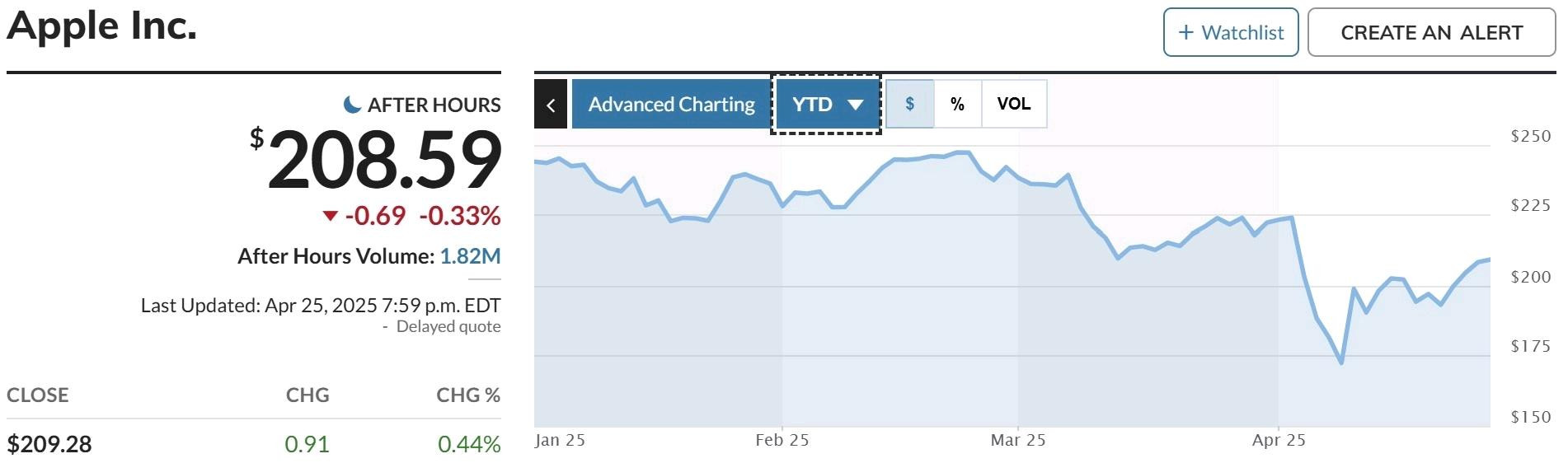
$AAPL , on the other hand, might experience a short-term benefit due to consumer panic buying ahead of anticipated price hikes. However, the long-term picture is far less rosy. With tariffs pushing up supply chain costs and consumer purchasing power potentially decreasing, $AAPL ’s future earnings could be significantly affected.
Tech Leaders’ Reactions to the Tariff Woes
The effect of the ongoing tariff war isn’t lost on tech executives. Sundar Pichai, CEO of Alphabet (Google’s parent company), hinted at the potential impact during a recent earnings call. He mentioned that changes to tariff exemptions might pose a slight challenge to the company’s advertising revenue from retailers in the Asia-Pacific region.
$TSLA CEO Elon Musk was more blunt in his assessment. He acknowledged that tariffs are a major concern for businesses with low margins. Despite his close ties to President Trump, Musk has expressed support for free trade and reduced tariffs, a sentiment echoed by other tech leaders who are grappling with the impact of the trade war.
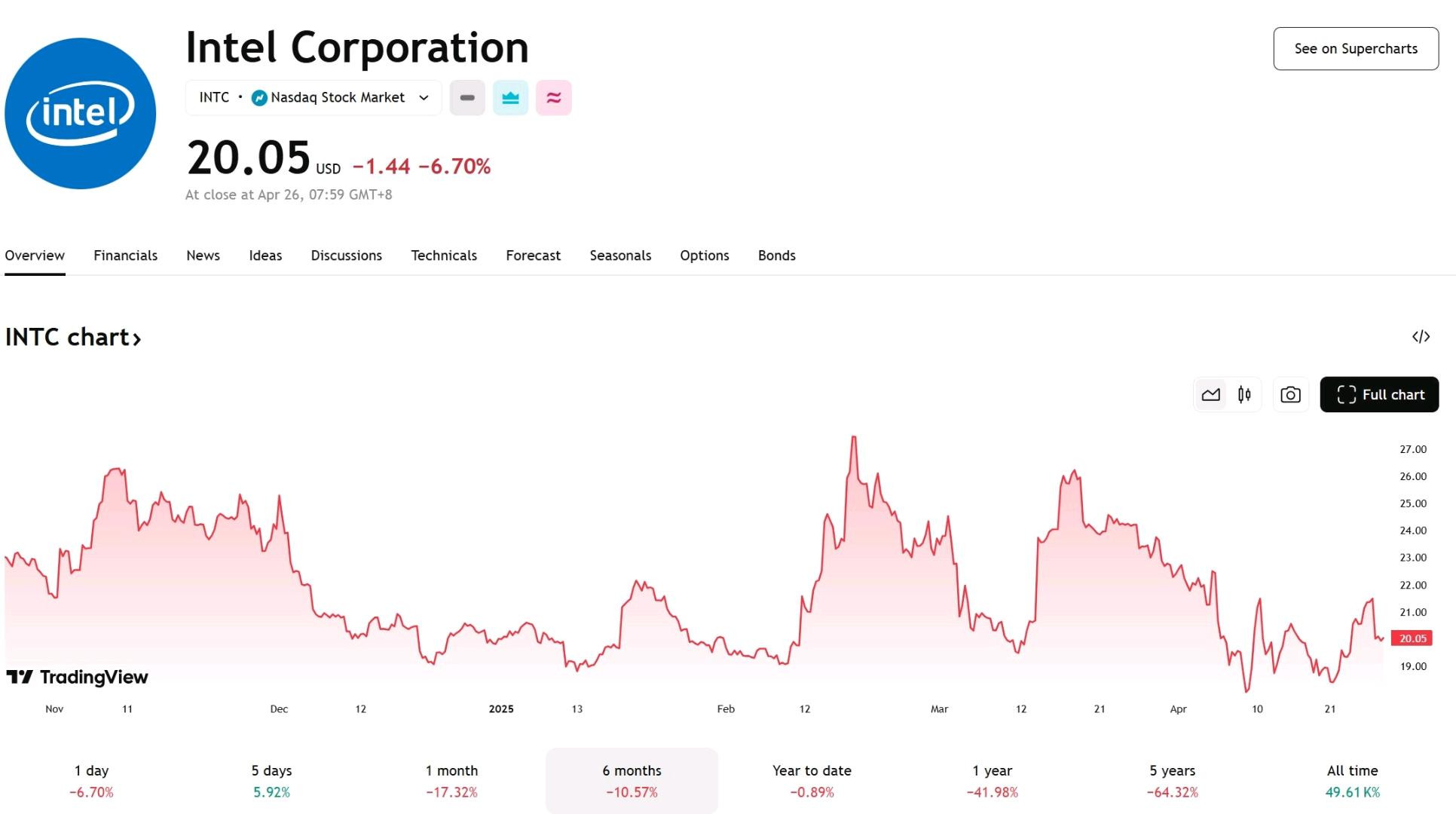
$INTC , despite reporting better-than-expected earnings, has also warned that tariffs could create future revenue challenges. The company’s CFO, David Zinsner, disclosed that the surge in first-quarter sales was likely due to customers’ preemptive stockpiling in anticipation of higher tariffs. This has set the stage for potential revenue slowdowns in the months to come.
What to Expect from Amazon and Apple?
As $AMZN and $AAPL prepare to unveil their quarterly financial results, analysts are keenly awaiting insight into their strategies for weathering the storm. $AMZN ’s diverse business model, which includes cloud computing, advertising, and retail, could see significant disruptions. Advertising could be hit hard by rising tariffs on Chinese imports, which would push up costs for both advertisers and consumers. The retail arm, similarly, could feel the pain, especially in categories heavily reliant on Asia-based manufacturers.
$AAPL , however, may have a slightly different challenge. The company is well-known for its premium pricing strategy, and the impact of tariffs on its supply chain could push prices even higher. Consumer demand might remain strong in the short term as customers rush to purchase $AAPL products before prices increase, but the long-term outlook is less certain. With consumer spending already under pressure from inflation and rising interest rates, higher prices could dampen demand for iPhones and other products in the months ahead.
The Wider Impact on the Tech Sector
Beyond $AMZN and $AAPL , other tech companies are also feeling the effects of the tariffs. Intel has already warned about the challenges it faces with its supply chain, particularly in the data center sector. Although the company reported better-than-expected earnings for the first quarter, its second-quarter outlook was less optimistic due to ongoing tariff-related disruptions.
The demand for older-generation products, such as Intel’s Raptor Lake chips, remains strong, which is a double-edged sword. While this supports short-term revenue, it means that newer products, like Meteor Lake and Lunar Lake, may not see the sales expected, putting pressure on Intel’s long-term growth strategy.
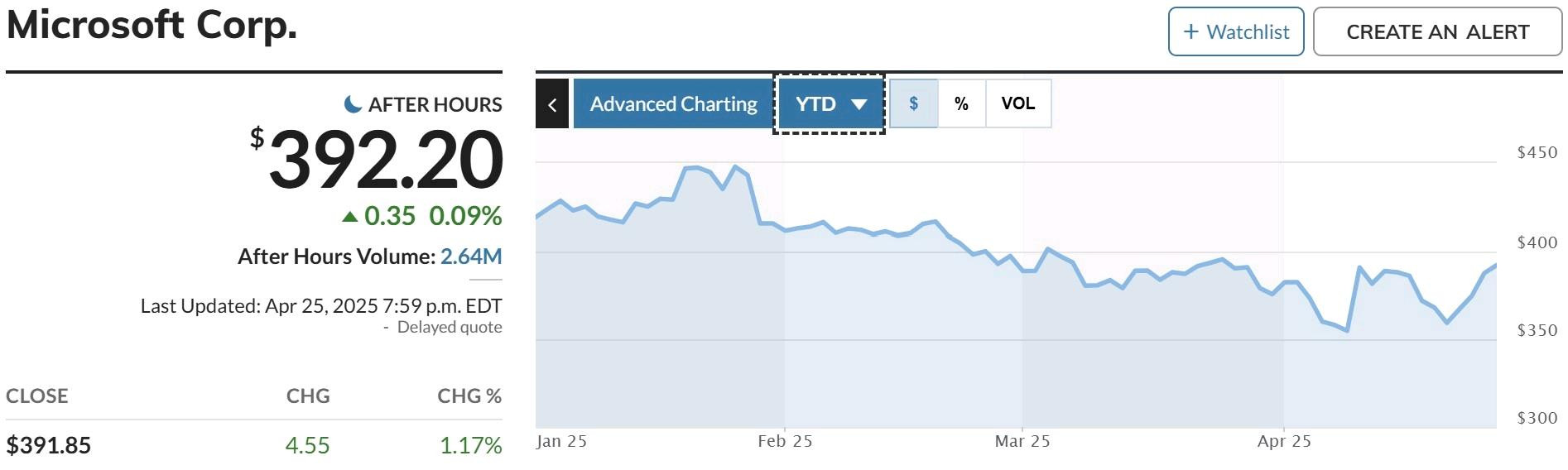
Companies like $MSFT , which rely heavily on enterprise software and cloud services, might fare better than hardware-dependent companies. However, even Microsoft has acknowledged the broader economic challenges posed by the trade war, and its earnings call will likely offer insights into how it plans to adapt in the face of ongoing uncertainty.
How Is Intel Adjusting Its Strategy and Outlook Amid Tariffs?
Intel’s leadership has been vocal about its strategy moving forward, particularly in light of the tariffs and their potential to distort global supply chains. The company recently revised its 2025 capital expenditure plans, lowering its target to $18 billion for the year. While this move is part of a broader strategy to increase the return on its investments, it also reflects Intel’s caution amid economic uncertainty.
The company is also focused on its AI and data center business, which has shown strong growth in the first quarter of 2025. Despite tariff-related concerns, Intel remains optimistic about its long-term prospects in these high-demand sectors. New product launches, such as the Granite Rapids and Xeon 6 series, are expected to drive future growth, although macroeconomic challenges persist.
Conclusion: Navigating Uncertainty in a Shifting Market
For tech companies, the next few months will be critical. While short-term consumer behavior, like panic buying, might provide temporary relief, the long-term effects of the tariff war are impossible to ignore. Apple, Amazon, and their peers will need to adapt quickly to shifting market conditions, recalibrating their strategies to minimize the impact of rising tariffs and changing consumer behavior.
The broader tech sector faces a challenging road ahead, with tariffs acting as a key disruptor. As these companies report their earnings and adjust their forecasts, investors will be closely monitoring how well they can pivot in response to an increasingly volatile global market.
This content is provided for informational or educational purposes only and does not constitute investment advice.