
Could China’s Trendiest Toys and Cameras Conquer Global Markets?

The worlds of collectible toys and cutting-edge imaging devices are colliding in unexpected ways—and Chinese innovators are leading the charge. Pop Mart’s latest LABUBU 3.0 plush bag charms have ignited frenzy from Los Angeles to London, propelling the Hong Kong-listed company’s shares to fresh highs. Meanwhile, Insta360’s X5 panoramic camera is redefining immersive content creation, earning rave reviews and capturing top sales rankings around the globe. With Morgan Stanley forecasting Pop Mart’s sales to double in 2024 and grow another 47% in 2025, and Insta360 maintaining over 80% market share, both brands are proving that “Made in China” can be both playful and powerful.

What’s Behind the LABUBU 3.0 Hype?
On April 24, Pop Mart dropped its third-generation LABUBU “High-Energy Ahead” vinyl-plush series. By nightfall, “grab labubu” was trending atop Weibo, while Pop Mart’s Los Angeles and London retail stores saw lines reminiscent of an iPhone launch. According to Seven Mai data, on April 25 the Pop Mart app rocketed to number one on the U.S. App Store’s Shopping chart—its first time ever—leaping 114 places in a single day and even cracking the top four of the Free Apps overall.

Pop Mart’s plush bag charms marry “fashion practicality” with collectible appeal. Morgan Stanley analyst Dustin Wei calls them the company’s greatest growth catalyst, shifting consumer behavior from “collecting” to “showcasing.” The higher price point—40–60% above blind-box models—doesn’t deter fans; in fact, rare “hidden” and limited-edition collaboration pieces regularly trade for two to three times their retail value on the secondary market.
Why Are Plush Bag Charms a Game-Changer?
Traditionally, IP toys and high fashion have intersected—think Louis Vuitton x Takashi Murakami—but Pop Mart has reimagined the category for a new generation. By attaching a lovable LABUBU or Nezha character to handbags and backpacks, the brand has broadened its audience beyond hardcore collectors to include fashion enthusiasts and casual shoppers.
This convergence has unlocked fresh demand and widened Pop Mart’s addressable market. In Q1 2025, the company reported revenue up 170% year-over-year, smashing industry expectations. U.S. sales soared nearly ninefold, while Southeast Asia continued its strong performance. Pop Mart now expects full-year sales to double in 2024 and grow by 47% in 2025, with overseas markets outpacing China—77% growth abroad versus 27% domestically.
How Fast Is Pop Mart Growing Overseas?
Pop Mart’s global expansion is nothing short of meteoric. By end-2024, it operated around 20 stores across Southeast Asia (ex-Singapore) and 20 in the U.S.; by 2025, it aims for over 40 U.S. outlets. Store productivity is already climbing—from RMB 2 million average sales per store in 2023 to RMB 2.5–3 million in Q3 2024—suggesting robust same-store sales ahead.
In Thailand, Pop Mart paved the way for growth in Indonesia, Vietnam, and the Philippines. Local consumers’ enthusiasm for its IP rivals that seen in China. In the U.S., online sales account for over 40% of Q4 revenue, led by popmart.com, TikTok, and Amazon. Long term, management envisions 200–300 U.S. stores, cementing Pop Mart as a global lifestyle brand.

What Makes the Insta360 X5 Stand Out?
While Pop Mart captures hearts, Insta360 is capturing the world—literally. The Shenzhen-based innovator’s X5 panoramic camera leverages dual 8K lenses and AI-powered FlowState stabilization to stitch fully immersive 360° video and photos. With a detachable lens design, 185-minute battery life, 20-minute 80% fast-charge, and a stealth selfie stick, the X5 meets the needs of creators, extreme sports fans, and families alike.
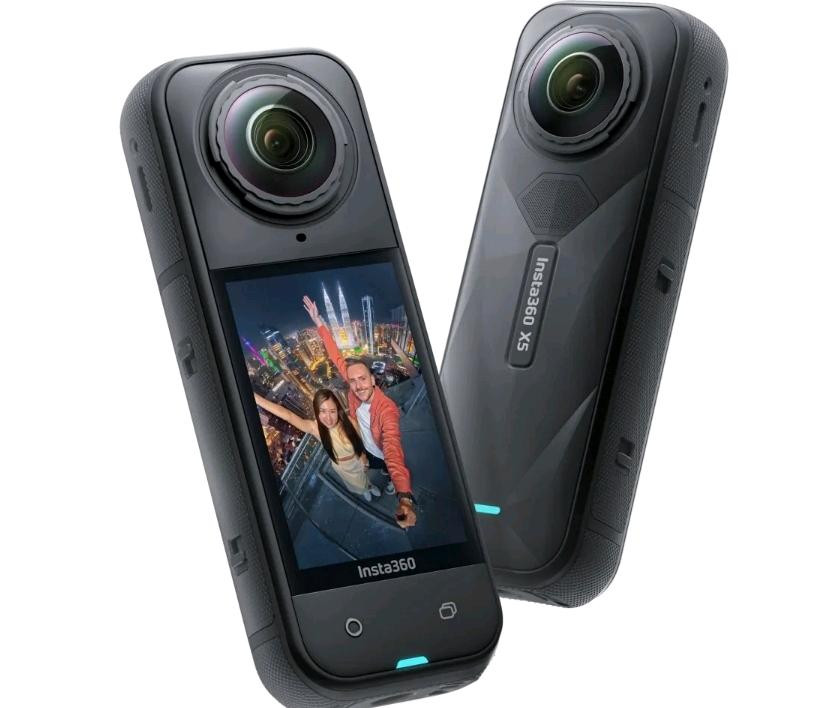
Tech media praise has been effusive. The Verge calls the X5 “unrivaled” in the panorama segment, and Insta360’s global sales charts reflect that status: the X5 topped single-item sales on multiple platforms day one, including Amazon sites in the U.S., Japan, Germany, and the U.K., as well as China’s Tmall, JD.com, and Douyin. According to Frost & Sullivan, Insta360 has held the number-one market share in panoramic cameras for six straight years, accounting for 81.7% of global sales in 2024.

Global Sales Hitting New Peaks
The success of both Pop Mart and Insta360 underscores a larger shift: Chinese brands are no longer just manufacturing hubs—they’re creative powerhouses shaping global trends. In Q1 2025, Pop Mart’s revenue explosion was led by IP heavyweights: THE MONSTERS, MOLLY, SKULLPANDA, and CRYBABY each generated over RMB 1 billion. Labubu’s third-generation launch only amplifies that momentum.
Meanwhile, Insta360’s innovations continue to raise the bar for immersive imaging. As live-action 360° content grows in popularity—fueled by VR headsets, social media, and interactive experiences—the X5’s advanced features place Insta360 at the forefront of a multi-billion-dollar market.
Could These Brands Redefine “Made in China”?
Pop Mart’s eye-catching collectibles and Insta360’s pioneering cameras represent a new era for Chinese exports: one defined by design, IP strength, and technological distinction. As both companies accelerate their overseas footprints—with Pop Mart targeting hundreds of U.S. stores and Insta360 integrating cloud services, AI editing, and VR playback—they’re proving that Chinese brands can lead, not follow.
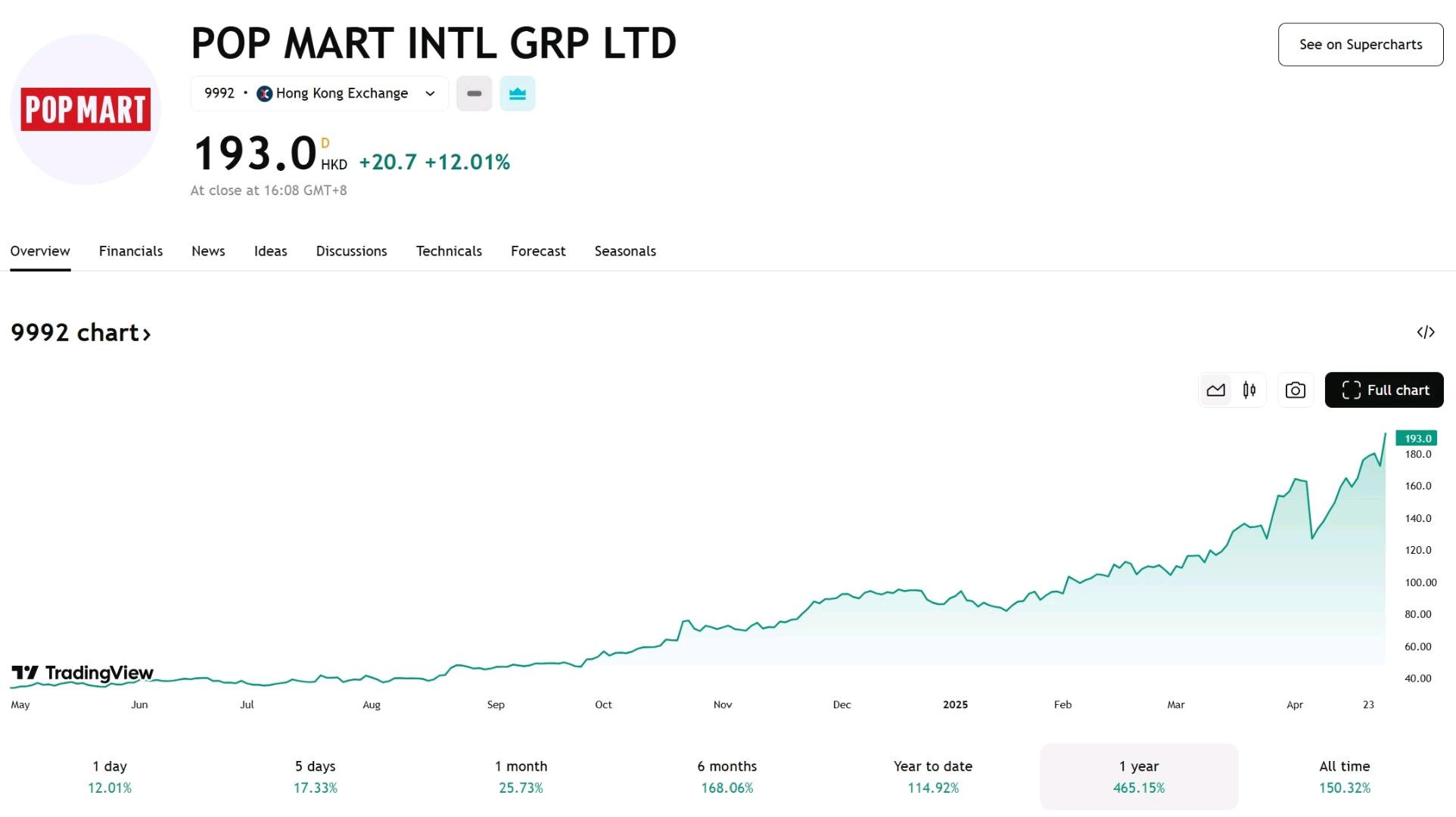
Investors have taken note: Pop Mart’s shares have more than doubled in 2024 and surged another 115% in 2025 so far, closing at HKD 193 on April 28. Morgan Stanley has lifted its price target to HKD 135, with upside to HKD 166 under optimistic scenarios. Though plush bag charms have slightly lower gross margins due to less automation, their higher price points drive superior operating profits, securing Pop Mart’s growth engine.
At the same time, Insta360’s dominance in a niche yet fast-growing segment underscores China’s capacity for high-end innovation. As both companies expand product lines—Pop Mart through new ventures like Pop Blocks and fashion collaborations, Insta360 through AI features and enterprise solutions—they’re setting new benchmarks for global competitiveness.
From toy boutiques to tech showrooms, Chinese creativity is on full display. As LABUBU charms swing from backpacks in Los Angeles and London, and Insta360 X5 cameras capture 360° adventures around the world, the question isn’t whether “Made in China” can compete—but how rapidly these homegrown champions will redefine their industries on the global stage.
This content is provided for informational or educational purposes only and does not constitute investment advice.