
Macroeconomic Outlook on U.S. Domestic Tariff Pressure

Note that while some are cheering for the tactical rebound in the U.S. stock market and the "soft landing" narrative these days, another pressure point is quietly building beneath the surface: U.S. tariff rates have climbed to their highest level since the Smoot-Hawley Tariff Act of 1930—a historic event that sounded the alarm for global trade and economic stability.
As shown, BCA Research's latest chart indicates that when accounting for all tariffs (including retaliatory measures), the current level of actual trade friction in the U.S. has surpassed that of the early Cold War era, reaching a new high in modern history.
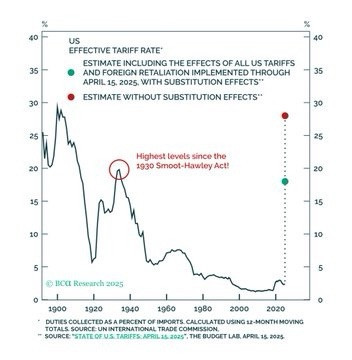
Despite constant U.S. media hype about Trump "pausing tax increases," the structural tariff burden in the U.S. remains locked in. There has been no substantial tariff reduction or major trade agreement to alleviate the accumulated pressure—U.S. trade negotiations remain largely theoretical.
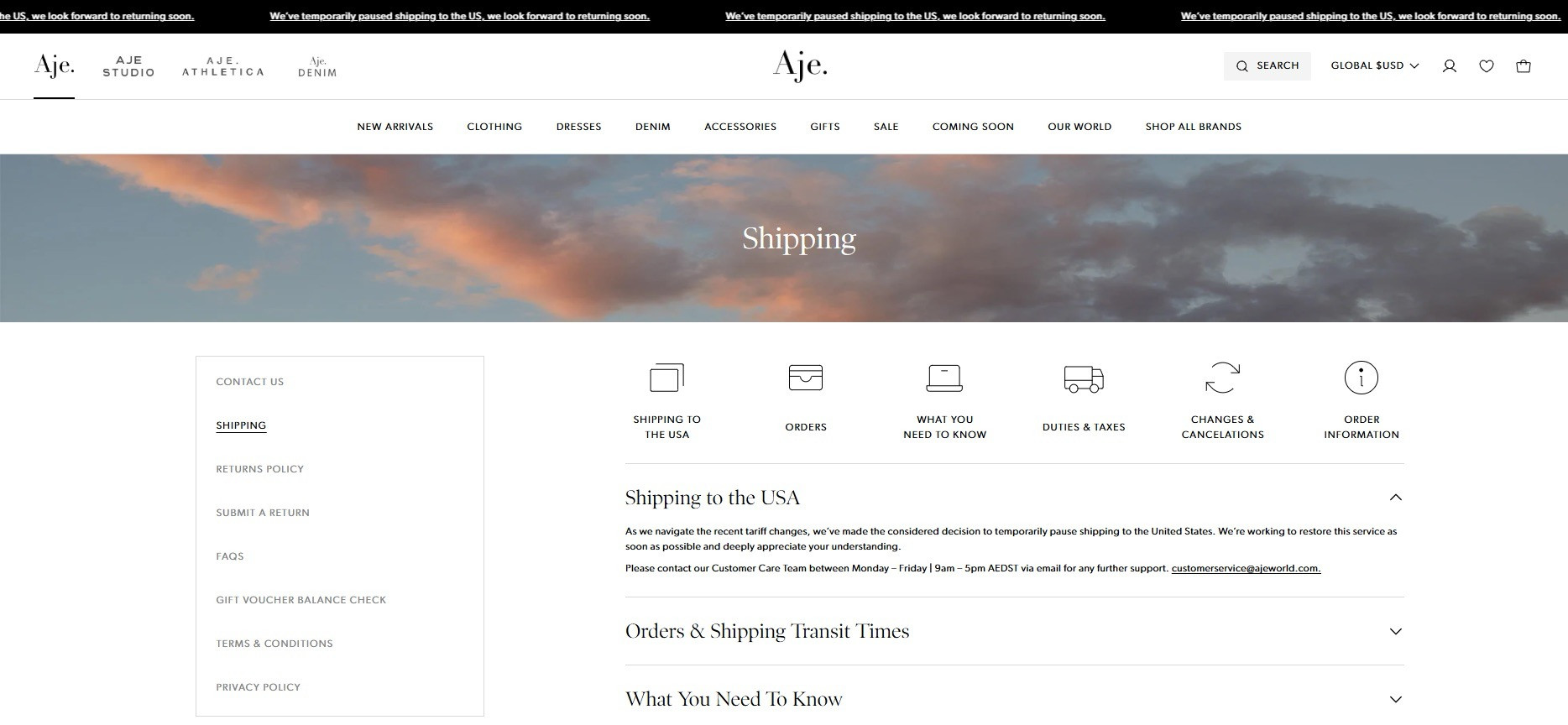
Global trade now bears a silent tax: Rising tariffs = increased input costs + reduced trade volume + decreased supply chain efficiency. As mentioned online, even Australian luxury clothing brand AJE has announced it will stop shipping to the U.S.
For global supply chains, global trade volume growth has stagnated, the Baltic Dry Index (shipping costs) has softened, and global manufacturing PMI has contracted, directly impacting U.S. maritime shipping: U.S. West Coast port throughput has decreased by nearly 50% year-on-year, with the Port of Los Angeles expecting a 35% drop in arrivals in two weeks. The U.S. West Coast container shipping industry, including the Port of Long Beach, transport workers, and remote warehouses, contributed nearly $300 billion in direct economic output and an estimated $93.3 billion in tax revenue in 2022. The report states that the industry provided nearly 2 million jobs, directly employing over 900,000 workers. Retaliatory tariffs are impacting U.S. agriculture, heavy manufacturing, and the information technology and service sectors.
For the U.S., tariffs represent chronic bleeding rather than acute shock: Unlike sudden crises, tariff friction gradually erodes U.S. competitiveness, profit margins, and real economic momentum. This erosion often lurks beneath the surface. As in the 1930s experience, while the Smoot-Hawley Tariff Act wasn't the primary cause of the Great Depression, it significantly exacerbated the U.S. economic crisis by stifling global demand and capital flows during a period of tightening liquidity. Moreover, the prosperity of S&P 500 tech stocks masks the vulnerability of the U.S. modern economic structure: The AI boom, fiscal stimulus, and profits in certain sectors conceal the systemic weakness in U.S. industries with larger trade exposures.
The tariff friction initiated by the U.S. is an implicit tax on the global system, quietly accumulating while the U.S. market chases liquidity euphoria. Without genuine trade liberalization or new cooperative frameworks, this drag will continue to build, deepening the inherent vulnerabilities of the U.S. system and exacerbating the fragmentation of global trade flows. The fact that the U.S. market currently doesn't price in this risk doesn't mean consequences won't arrive.
You know, history may not repeat itself exactly, but it often rhymes.