
Preview of US Stock Earnings Reports: Apple under the Tariff War

After the US stock market closes on May 1st, Apple will release its earnings report for the second quarter of fiscal year 2025, which ends at the end of March this year.
Wall Street analysts predict that Apple (AAPL) will report quarterly earnings per share of $1.60 in the upcoming earnings report, a year-on-year increase of 4.6%. The expected revenue will reach $93.56 billion, a year-on-year increase of 3.1%.
What should we focus on when looking at this earnings report?
Institutions Generally Predict that Apple's Earnings Report Will Beat Expectations

Morgan Stanley expects that Apple's revenue for the second quarter (Q2) will reach $95.7 billion, with earnings per share (EPS) at $1.64, slightly higher than the market's general expectation of revenue of $94 billion and EPS of $1.61.
The report points out that given the uncertainty of tariff policies, Apple has accelerated production, driving up the shipments and sales volume of its devices in the quarters of March and June. The report has raised its forecast for iPhone shipments in this quarter by 3 million units to 54 million units, and the forecast for iPhone shipments in the next quarter by 1.5 million units to 46 million units.
Secondly, the improvement in the foreign exchange environment has supported the performance. The report states that the negative impact of foreign exchange on revenue in the March quarter is expected to be 170 basis points, 80 basis points better than the guidance. And the June quarter may bring a revenue boost of 120 basis points, which is a supporting factor for the slightly higher-than-expected revenue.
In terms of revenue guidance, Morgan Stanley expects Apple's revenue guidance for the next quarter to be $89.3 billion, which is basically in line with market expectations. However, the bank's forecast for the gross profit margin of this quarter (45.4%) is about 120 basis points lower than the market consensus.
The report points out that this is mainly because the potential impact of tariff costs has been factored into the model. Nevertheless, Morgan Stanley believes that this gross profit margin risk has largely been absorbed by buyers.
Apple will update its capital return plan in this earnings report. The report expects that Apple will announce an increase in the stock repurchase authorization amount by $110 billion (maintaining the repurchase pace of about $25 billion per quarter), and the dividend will increase by 4%, which is similar to the operation in April 2024.
Tariff Uncertainties Affect the Prospects of the Technology Industry
In fact, what I am most concerned about is the tariff issue.

However, the second quarter ended in late March, and Trump announced the tariffs on April 2nd. The full impact of the tariffs may not be seen until Apple's third quarter. Nevertheless, the second quarter may still provide a clue for the expectations of the coming quarters.
According to media reports, Apple rushed to ship 600 tons of iPhones from India to the United States before the tariffs took effect. The company hopes that in the future, its Indian operations will produce devices for the US market, because India faces a reciprocal tariff that is 26% lower than that of China. It is reported that Apple hopes to ultimately source all iPhones for the US market from India.
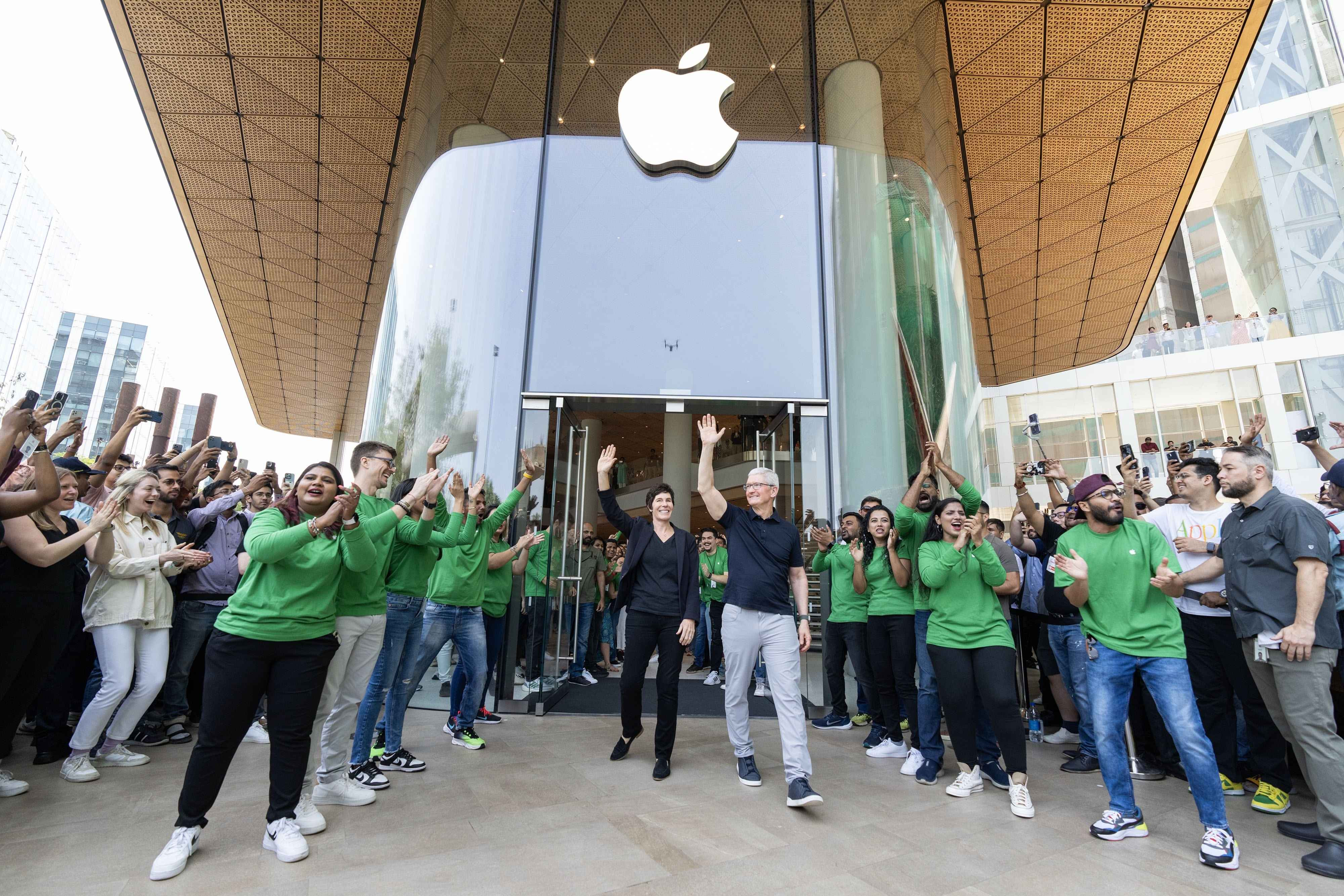
But I think this idea is a bit unrealistic. The assembly business may be transferred to India, but most of the iPhone components still need to be manufactured in China. This is caused by the business environments and developments of the two countries, and I won't elaborate on the specific reasons here.
If the tariffs fluctuate repeatedly, it will directly drive up Apple's production costs and may also trigger price increases, thereby weakening Apple's competitiveness in price-sensitive markets.
Although Trump later exempted devices such as smartphones and computers from tariffs, the Trump administration has not ruled out the possibility of imposing tariffs on these goods in the future, so it is still a cause for concern.
The Delayed AI
Just as Tesla is not just a simple car-making company, Apple is not just a mobile phone company either.
In the current era when artificial intelligence is sweeping through the technology industry, Apple's AI strategy seems a bit slow.
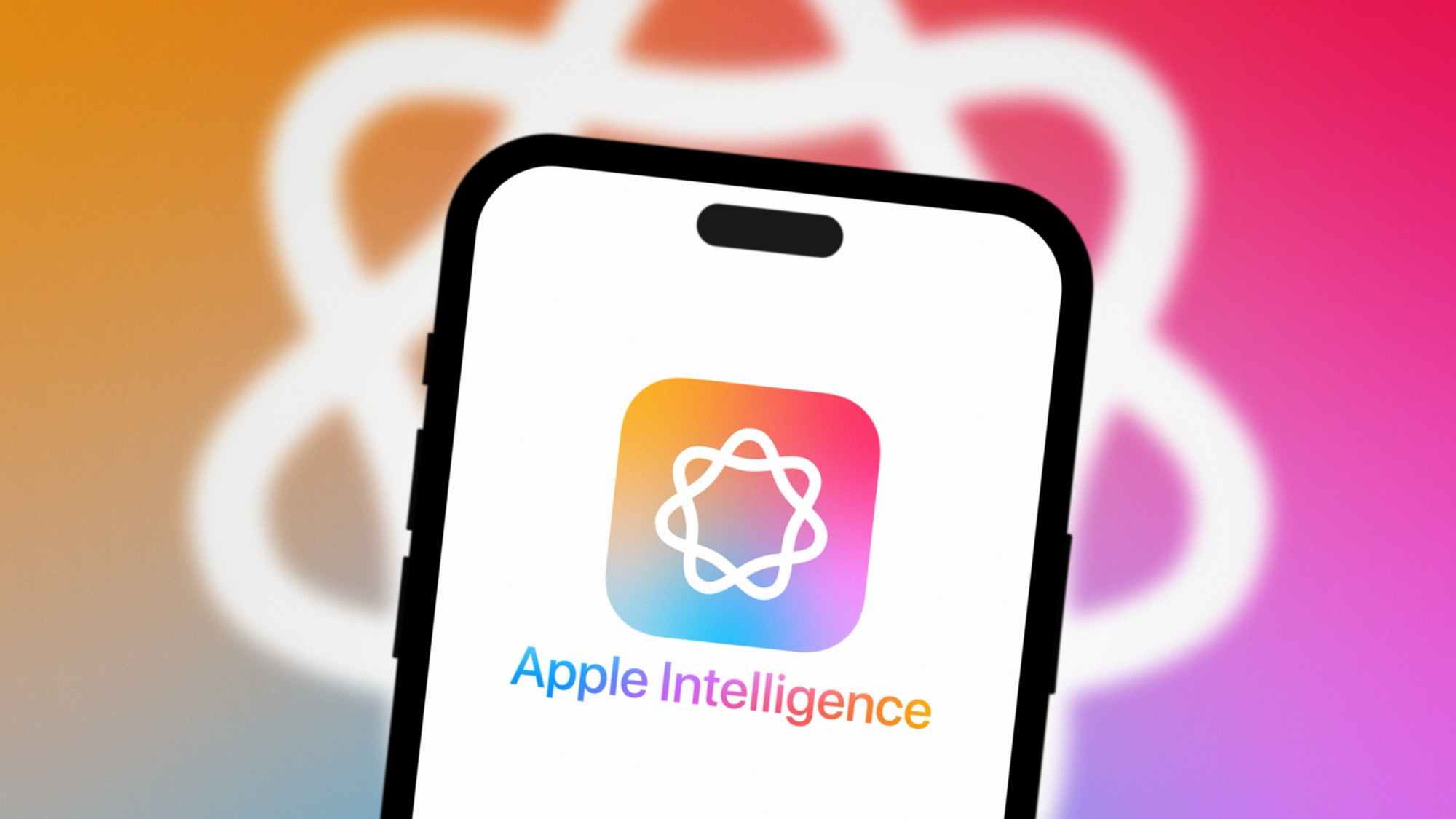
Although Apple Intelligence is highly anticipated, its functions are currently limited to the English-speaking market, and in terms of actual experience, it has been criticized as "having limited functions and low practicality." In comparison, Google's Gemini and Microsoft's Copilot have taken the lead in terms of functional depth and market adaptability.
Analyst Craig Moffett pointed out that Apple has lagged behind its peers in the commercialization of AI and has failed to stimulate an iPhone replacement wave through AI. Although the A18 Pro chip of the iPhone 16 series has improved in performance, the lack of AI functions has left consumers with little motivation to upgrade.
What is more concerning is that Apple is overly reliant on a closed system in its AI ecosystem layout. Google and Microsoft have rapidly expanded their AI influence through open-source and cross-platform cooperation, while Apple's "walled garden" strategy has limited the popularization speed of its AI functions.
Previously, Apple was expected to launch a generative artificial intelligence version of the Siri personal assistant before the WWDC conference in June. However, due to delays in software integration, the company postponed the plan.
Is Apple Still a Good Investment?
Apple's stock price has already fallen by more than 15% this year.
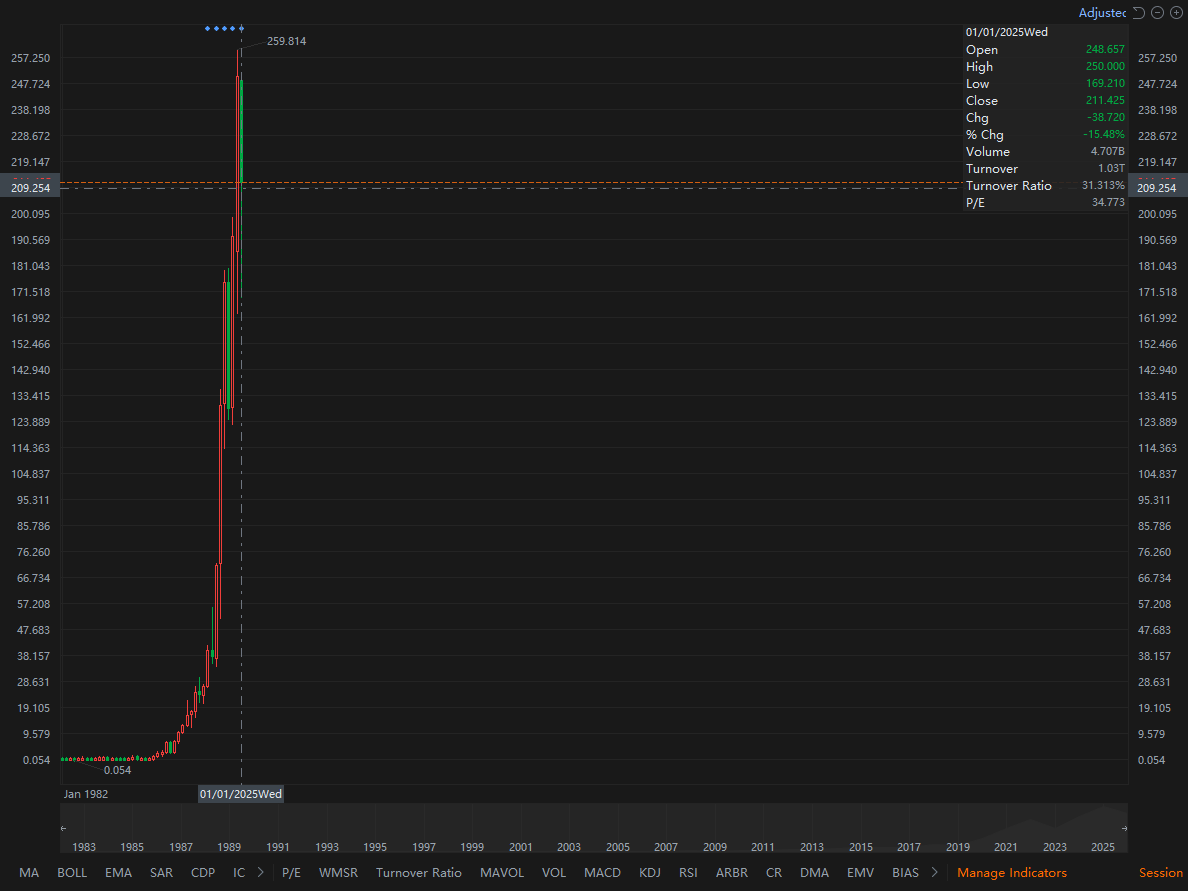
Key uncertainties such as tariff policies, performance in the Chinese market, the progress of AI development, the growth momentum of iPhones, and regulatory risks still exist,however,I don't think this earnings report will have much impact on the stock price .
As the king of global stocks, there is no need for me to elaborate on Apple's strength and value. I think that over the past few decades, Apple has experienced many setbacks, but every time at such moments, Apple has ushered in a major innovation. It is undoubtedly a magical company.
Therefore, although other stocks like Amazon have a more certain growth path and similar valuations, I think we can still look forward to Apple.$AAPL