
Is Tariff Turmoil Undermining America’s Job Market?

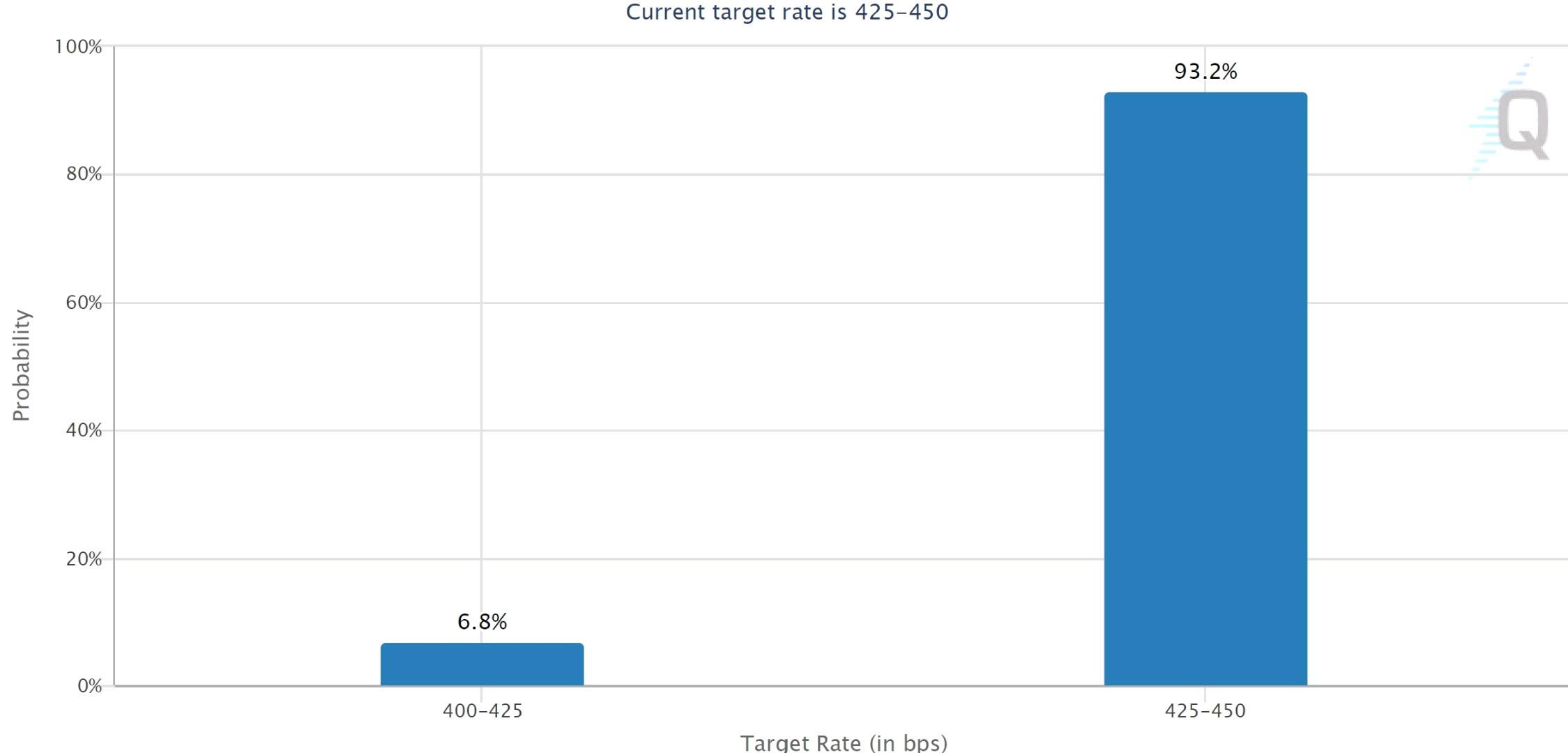
The April nonfarm payroll report will offer the first clear evidence of how President Trump’s aggressive tariff strategy has rippled through the U.S. labor market. With markets already pricing in nearly four quarter-point rate cuts by the Federal Reserve this year—one more than before the administration’s sweeping tariff announcement—investors and policymakers alike are bracing for a pivotal data release.

Could Weak Hiring Tip the Fed Toward Rate Cuts?
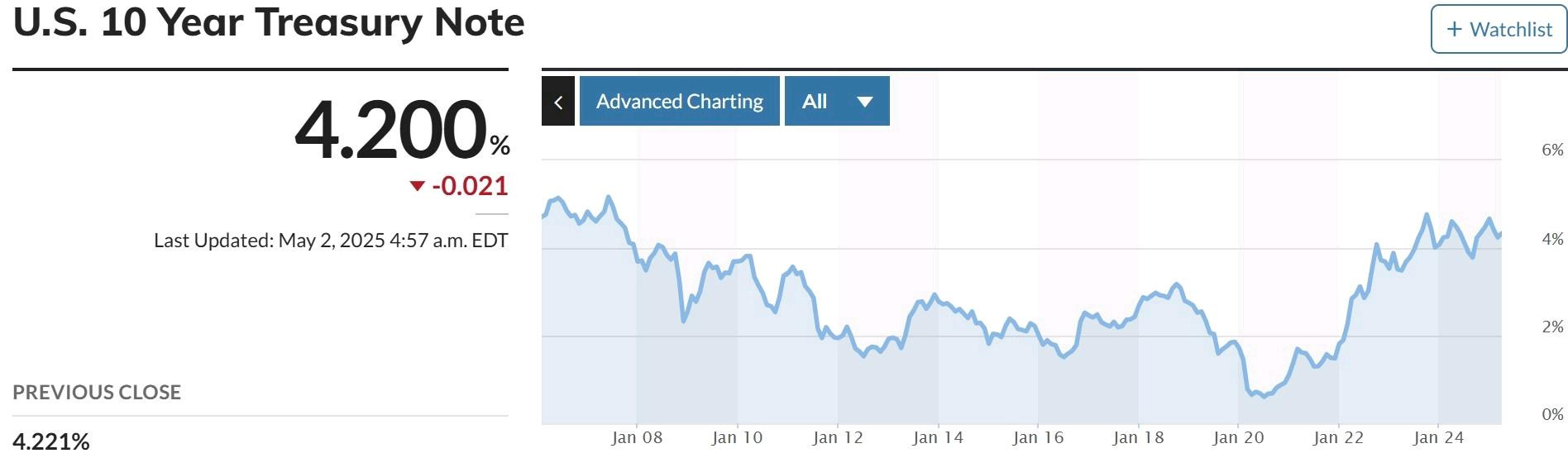
Bond traders have leaned into the view that tariffs will slow growth more than they stoke inflation, driving demand for U.S. Treasuries and pushing down yields. Friday’s jobs data will test whether that pessimism is justified. Fed officials, including Governor Christopher Waller, have signaled that only a significant uptick in unemployment would prompt them to ease policy. “A clear slowdown in the labor market is a prerequisite for continued easing,” says BlackRock’s Gargi Chaudhuri. A weak payroll number could strengthen the case for rate cuts as early as June—but the central bank will want to see a string of disappointing readings before changing course.

What Are Economists Predicting for April?
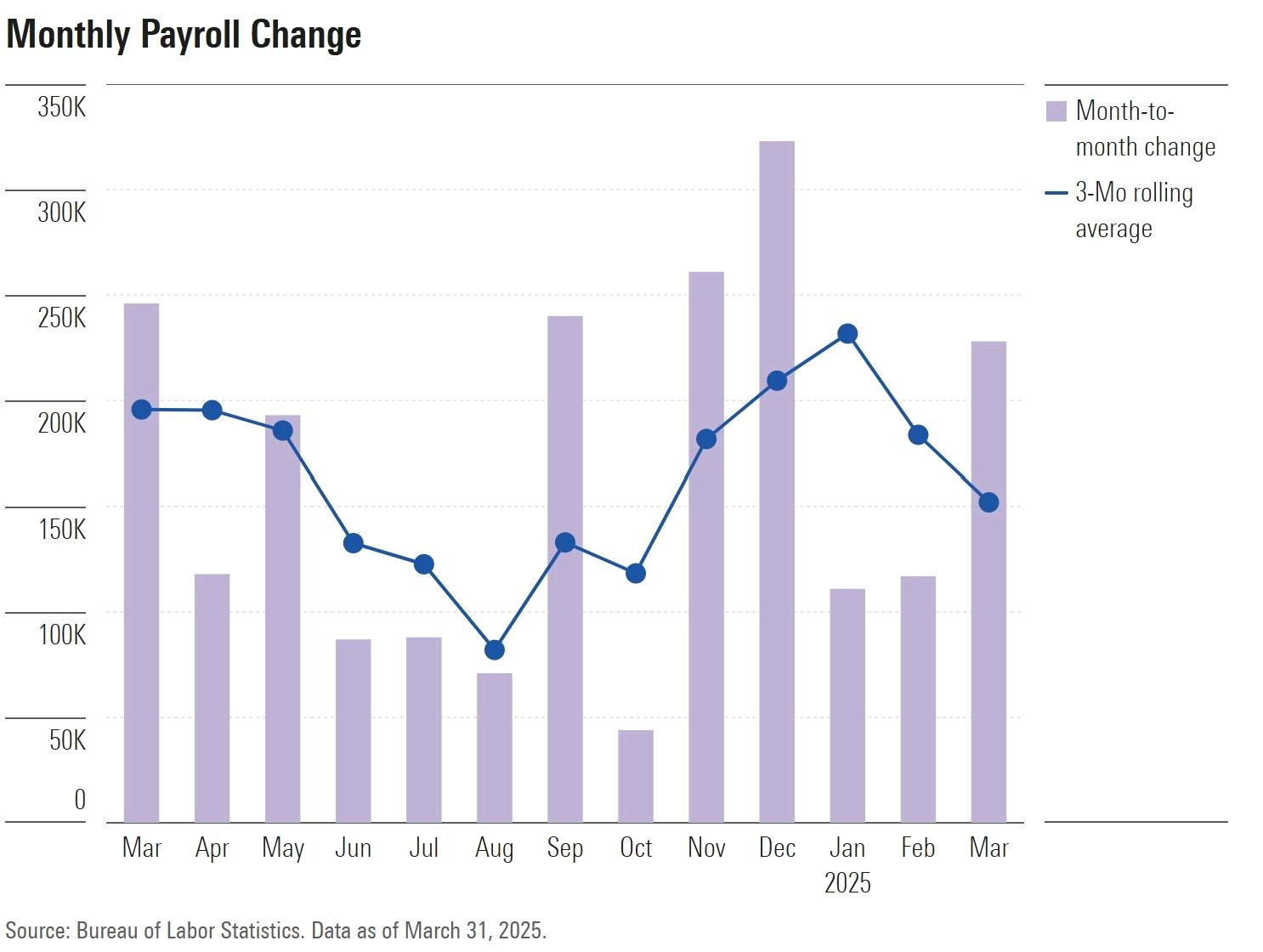
Consensus forecasts favor a gain of 130,000 jobs, down sharply from March’s 228,000 surge but still close to the first-quarter average of 152,000. At that pace, the jobless rate would likely hold near 4.2%, below the Fed’s projected 4.4% for 2025. Yet many warn that an unexpectedly low reading—particularly below 100,000—could spook investors. “If payrolls are in the 150,000 range, feelings will be OK, if not great. Below 100,000 and we’ll all be on high alert,” says Moody’s Mark Zandi.
How Far Could Tariff Uncertainty Dent Hiring?
Soft measures have already soured. April’s consumer confidence plummeted to a five year low, and manufacturing activity contracted at its sharpest pace in five months. With key trading partners still negotiating—and Japan even suggesting it might leverage its $1.1 trillion Treasury holdings—uncertainty over the final timing and scope of tariffs remains elevated. If businesses interpret that uncertainty as a signal to pause hiring, the nonfarm report could reveal cracks not yet visible in headline numbers.
Are Soft Data Warranting Skepticism?
Hard data have painted a more resilient picture. Initial jobless claims have remained low, and private-sector hiring in ADP’s report added 62,000 positions in April—weak, but not dire. Similarly, first quarter GDP surprised on the upside in many regions. Still, market positioning suggests a nervous consensus: short term Treasury long positions are near multi decade highs, and option traders expect roughly a nine basis point move in the 10 year yield on Friday—echoing historical volatility around payrolls.
What’s at Stake for Gold Bulls?
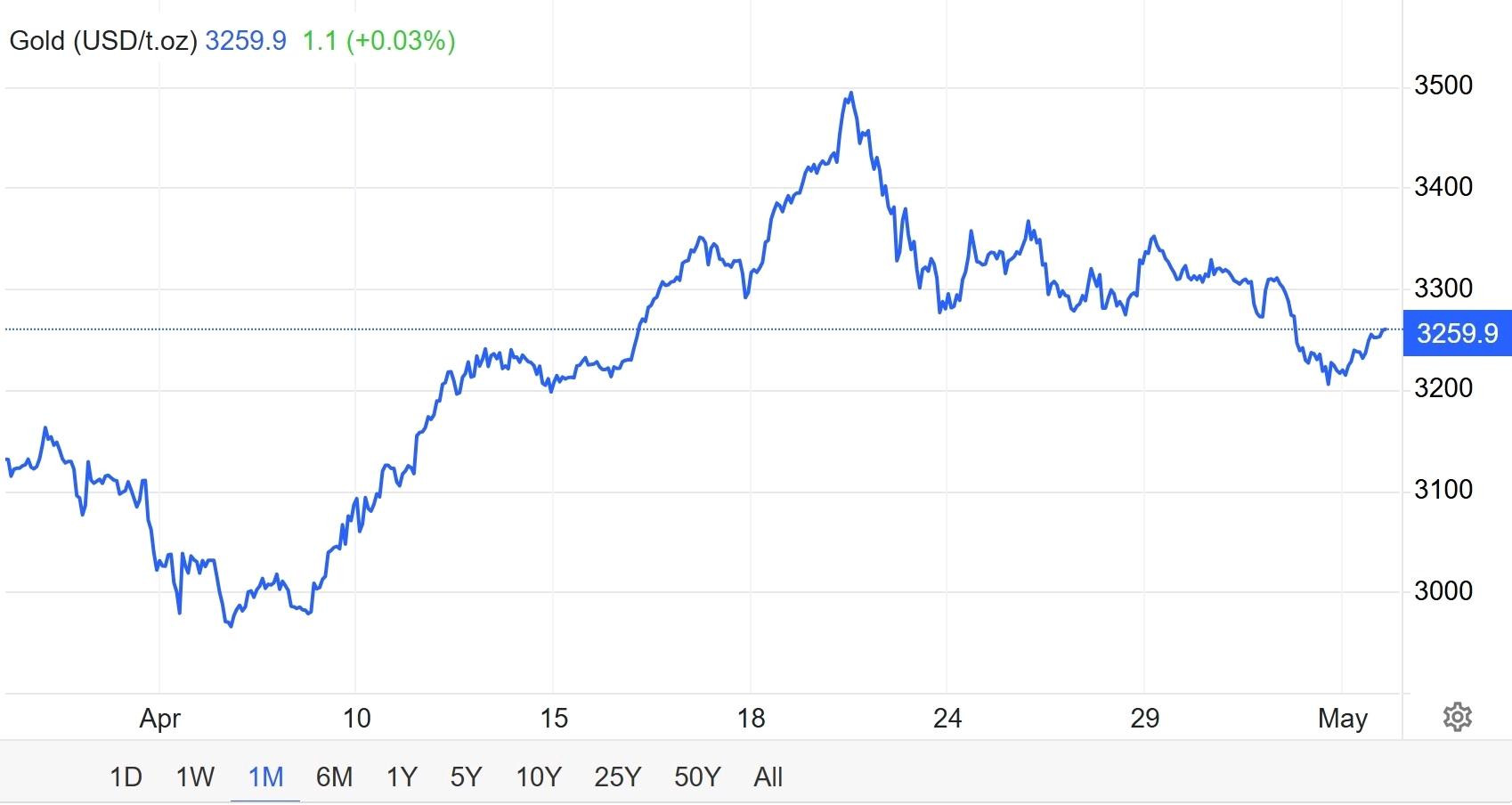
Gold’s recent pullback—the steepest weekly drop in two months—underscores how closely bullion traders watch jobs data. Prices have tested support at the 21 day simple moving average ($3,234), with the RSI holding just above neutral. A weak payrolls print could sustain gold’s rebound, targeting $3,260 next, or even push toward $3,405 resistance. Conversely, a sturdier-than-expected report might send prices plunging to $3,150, or even $3,087 if momentum carries.
Why Isn’t Everyone Convinced of a Jobs Slump?
Even among pessimists, few foresee an outright employment collapse. Seasonality may have buoyed recent readings, and federal efficiency drives—in the so called “DOGE” agency—have led to announced cuts of roughly 281,000 jobs, but many of those won’t hit payrolls until later this year. Citigroup’s Andrew Hollenhorst points out that declining immigration could also restrain workforce growth, meaning fewer hires are required to keep unemployment rate stable.
How Are Markets Pricing Fed Moves?
Since President Trump’s tariff salvo, futures trading has shifted from two rate cuts in 2025 to almost four. June is penciled in for the first 25 basis point cut, with additional easing likely in July and later in the year—barring a string of robust data. Traders will watch not just the headline payroll number, but wage growth too: Wall Street expects average hourly earnings to rise 0.3% month on month and 3.9% year on year, up slightly from March.
Can This One Report Change the Fed’s Mind?
Fed officials are in a blackout ahead of the May 6 meeting, but their previous speeches make clear they want to see “hard data” on tariffs’ impact before adjusting policy. San Francisco Fed President Mary Daly noted that any inflation bump from duties is transitory, and Powell himself has urged patience. Yet Waller warns that delays could force the Fed to play catch up later. The Beige Book—compiled through mid April—showed mostly stable employment but some firms pausing recruitment for clarity. If April payrolls echo that caution, the central bank may feel validated in acting sooner.

What’s the Bottom Line?
Friday’s nonfarm payroll report isn’t just another data point—it’s the first real check on how far Trump’s trade strategy has reached into boardrooms and hiring plans. A sub 100,000 print could trigger fresh market anxiety, boost Treasury demand, and tilt Fed expectations decisively toward rate cuts. A number near forecast, however, might quell immediate fears, keeping the Fed on hold until further evidence emerges. Either way, this nonfarm release will shape not only trading desks but also the Fed’s policy path—and maybe the broader course of the U.S. economy in 2025.
This content is provided for informational or educational purposes only and does not constitute investment advice.