
Japan Hopes to Reach Trade Deal with U.S. by June, but Washington Resists Cutting Auto and Steel-Aluminum Tariffs

Japan aims to finalize a trade agreement with the United States by June, its chief negotiator said after concluding the latest round of talks in Washington. The high-stakes negotiations are expected to accelerate in mid-May.
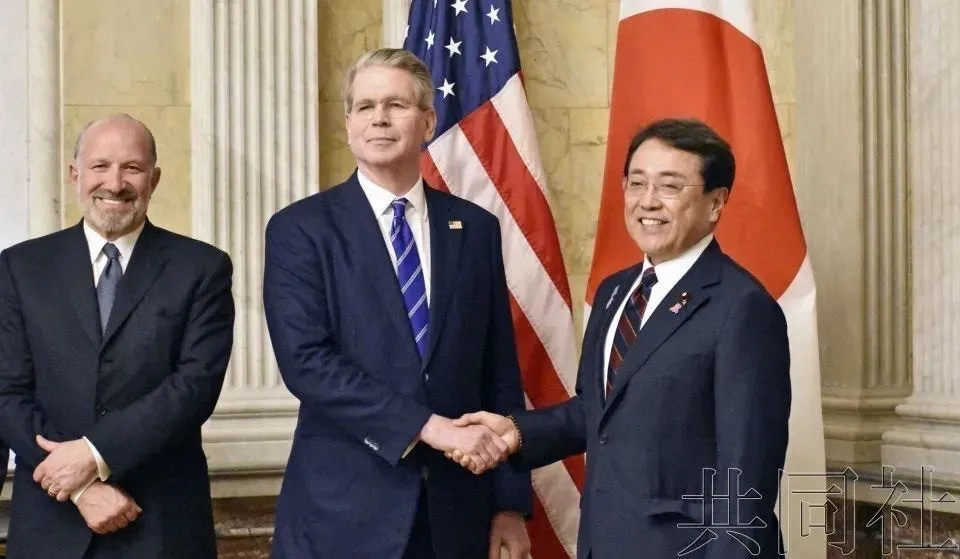
Japanese trade representative Ryosei Akazawa described the second meeting with U.S. officials—including Treasury Secretary Scott Bessent, Trade Representative Jamieson Greer, and Commerce Secretary Howard Lutnick—as "frank and open," though many issues remain unresolved.
Following Thursday’s discussions, Akazawa told reporters, "We have begun concrete talks on expanding bilateral trade, non-tariff measures, and economic security cooperation, and agreed to intensify negotiations in mid-May while scheduling the next high-level meeting." He reiterated Japan’s "deep regret" over the Trump administration’s sweeping tariffs and urged a reassessment of the measures.
According to Nikkei, citing sources familiar with the matter, the U.S. proposed a framework limiting negotiations to reciprocal tariffs but showed reluctance to reduce duties on automobiles, steel, and aluminum.
The Japanese delegation rejected this approach, countering with alternatives such as reviewing non-tariff barriers and increasing agricultural imports. Auto tariff concessions are particularly critical for Japan, as the industry employs 8% of the nation’s workforce.
A new twist emerged Friday when Finance Minister Kato Katsunobu suggested on Tokyo TV that Japan might leverage its vast holdings of U.S. Treasuries as a bargaining chip: "It is certainly a card we could play, but whether we will is another matter." This contrasted with ruling party policy chief Onodera Itsunori’s April statement that Japan "would not deliberately dump U.S. bonds." Akazawa clarified, however, that the Washington talks did not address foreign exchange reserves or national security.
Akazawa hopes accelerated talks could yield a deal between Trump and Japanese Prime Minister Shigeo Ishiba by June but stressed that "speed isn’t the only priority—balancing both nations’ interests takes time." The leaders may meet during June’s G7 summit, ahead of the early July expiration of the reciprocal tariff pause.
The world is watching whether Japan can secure relief from Trump’s tariff offensive. Bloomberg reported India finalized a bilateral deal last week, while Bessent hinted at a potential U.S.-South Korea "understanding" this week (though Seoul downplayed prospects). Akazawa insisted any Japan-U.S. pact must be "comprehensive." Since March steel-aluminum tariffs took effect, Japan also faces potential 25% auto duties and 10% across-the-board tariffs. "One Japanese automaker is already losing $1 million hourly," Akazawa noted, without naming the firm.
For Ishiba’s government—facing elections in July—protecting jobs and industries is paramount. Autos and parts account for over a third of Japan’s exports to its top market, the U.S., while farmers are a key constituency for the ruling LDP. "Cars and agriculture are lifelines," Akazawa declared. "We will never sign a deal that harms national interests."