
U.S. 2026 Budget Proposal Nears Release, Trump Expected to Slash $163 Billion in Program Spending

According to media reports citing U.S. government officials, the Trump administration is set to propose deep cuts to federal programs in environmental protection, renewable energy, education, and foreign aid—totaling over $160 billion in non-defense discretionary spending reductions.
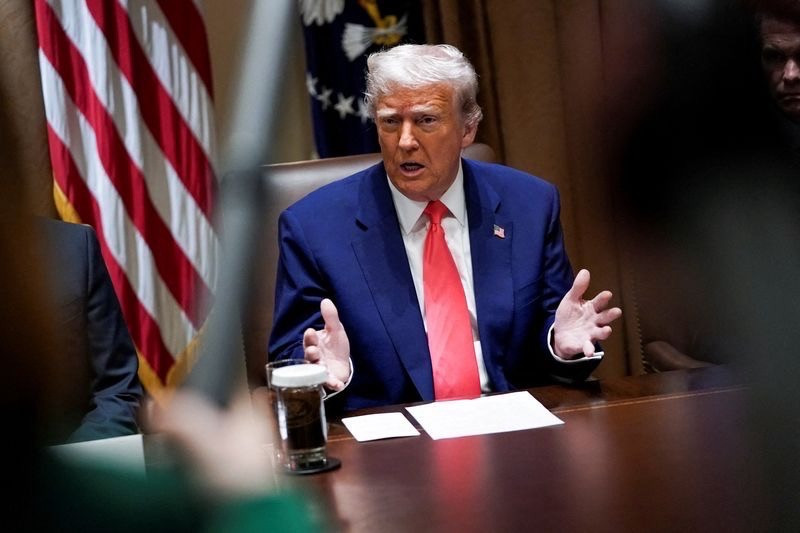
The White House plans to unveil its Fiscal Year 2026 budget proposal on May 2 (local time), which largely serves as a symbolic wish list outlining the president’s spending and political priorities.
With Republicans holding narrow majorities in both the House and Senate, Congress is expected to spend months debating which parts of the plan should become law.
This budget plan would propose $557 billion in nondefense discretionary spending, which amounts to a $163 billion, or 22.6 percent, reduction from projected spending in fiscal year 2025, according to administration officials.
Non-defense discretionary spending covers federal funds requiring annual reauthorization, including areas like education, transportation, and public health, but excludes Medicare, Medicaid, Social Security, and defense expenditures.
Per budget documents seen by media outlets, the White House is pushing for steep reductions in programs under the Environmental Protection Agency (EPA), Department of Energy, Interior Department, Housing and Urban Development, Education Department, National Institutes of Health (NIH), and National Oceanic and Atmospheric Administration (NOAA).
Officials stated that Trump’s budget will target programs deemed "wasteful," encouraging states to take ownership of certain initiatives while cutting climate and green energy funding.
This cost-cutting approach aligns with early actions by the Department of Government Efficiency (DOGE), led by Elon Musk, which since January has taken steps like dissolving federal agencies and firing government employees.
Additionally, officials revealed the budget is expected to boost funding for border security, defense, aviation and rail safety, veterans, and law enforcement.
The proposals reinforce Trump’s existing policy direction—scrapping diversity, equity, and inclusion (DEI) initiatives, rolling back Biden-era clean energy goals, and eliminating grants and research funding seen as wasteful or politically driven.