
Japan-U.S. Trade Talks Accelerate as Finance Minister Hints at Using Treasury Holdings as "Leverage"

Japanese Finance Minister Kato Katsunobu suggested that Japan's massive holdings of U.S. Treasuries—making it the largest foreign creditor to the U.S.—could serve as a potential "card" in trade negotiations with Washington. The remarks came as Japan's chief negotiator, Ryosei Akazawa, concluded the second round of talks with U.S. counterparts this week, reaffirming Tokyo's goal of reaching a trade deal by June.
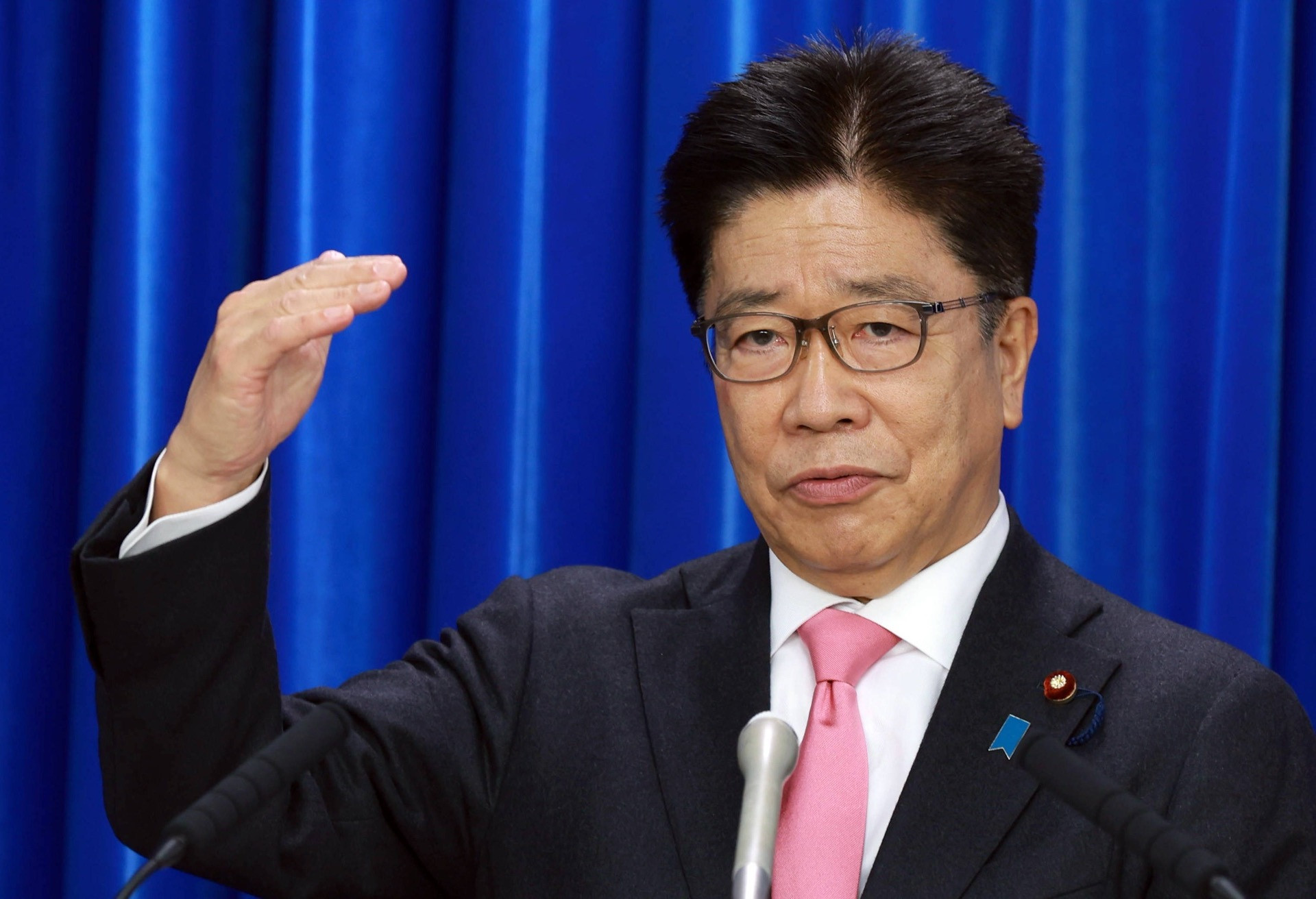
When asked on Friday whether Japan's abstention from selling U.S. debt could be used as a bargaining tool, Kato stated: "It is certainly a 'card' to hold, but whether we play it is another matter."
Though the comment was merely a response and did not indicate Japan is actively considering divesting its Treasury holdings, even the suggestion of such action could trigger significant market turbulence.
"This is a very serious topic to discuss publicly," noted Kathy Jones, Chief Fixed Income Strategist at Charles Schwab in New York. "The mere threat could impact the Treasury market, though I believe Japanese officials are prudent enough to recognize that actually executing this move might harm their own economy."
On Friday, the market's initial reaction was relatively calm. However, Japan's influence in the US bond market is likely to make investors vigilant. According to data from the US Treasury Department, as of the end of February, Japan held approximately $1.13 trillion in US treasury bonds, making it the largest overseas holder of US treasury bonds, followed by China with $784 billion. Japan holds US bonds as part of its special accounts, which can be used to provide financial support for foreign exchange interventions.
The remarks stand out given Japanese officials' historical caution when discussing Treasuries, wary of unintended market consequences. They also come amid a volatile month for U.S. debt as trade war risks escalate.
The comments diverge from ruling party policy chief Itsunori Onodera's April assurance that "as an ally, we won’t deliberately act against U.S. Treasuries, since market chaos benefits no one."
Three decades ago, then-Prime Minister Ryutaro Hashimoto warned Japan might sell Treasuries for gold if yen volatility persisted—triggering a plunge in U.S. assets before he walked back the statement.
"This is a veiled threat," said Martin Whetton, Westpac’s head of financial market strategy, likening it to "speaking softly while carrying a big stick—and U.S. debt is that stick."
Kato emphasized that Japan’s Treasury holdings "aren’t primarily to support the U.S."
Akazawa, leading this week’s Washington talks, confirmed discussions covered bilateral trade expansion, non-tariff measures, and economic security, with plans to accelerate negotiations by mid-May. He clarified that foreign exchange reserves, national security, and China were not raised.
In April, Trump’s abrupt 90-day suspension of "reciprocal tariffs" sparked a Treasury sell-off.
"Mixing Treasuries with trade talks opens Pandora’s box," warned Shoki Omori, Mizuho Securities’ chief desk strategist in Tokyo. "If foreign investors balk at buying—or worse, start selling—the risk of rising yields could reshape the Treasury landscape."