
Is This Warren Buffett's Last Show at the Berkshire Hathaway Annual Meeting?

The highly anticipated annual meeting of Berkshire Hathaway shareholders is underway, and it’s creating a buzz across the investment world. Held in Omaha, Nebraska, this event is often referred to as the "Spring Festival" of the investment community, and for good reason. It’s a rare chance to hear directly from the man who has built an empire, Warren Buffett, along with his right-hand men, Greg Abel and Ajit Jain. With Buffett nearing 95 years of age, many are speculating that this could be his final full participation in the event. Investors are eager to hear what insights he will share, particularly in such uncertain times marked by trade wars, a slowing global economy, and questions surrounding the company’s future leadership.
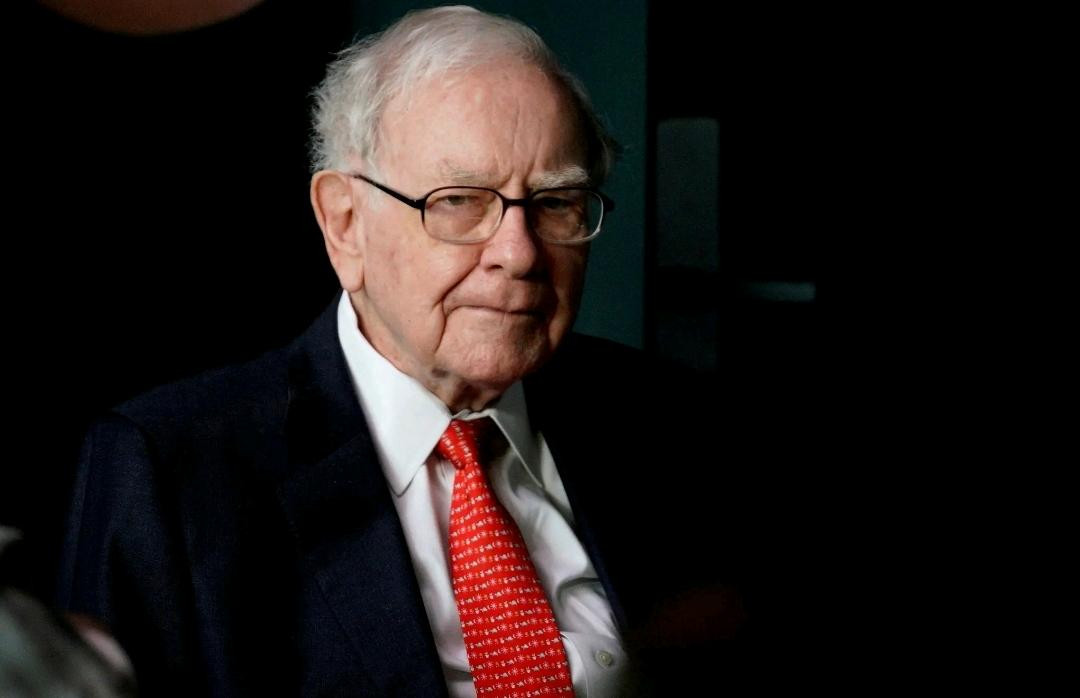
Could This Be Buffett’s Last Full Participation at the Meeting?
This year marks the 60th anniversary of Buffett’s acquisition of Berkshire Hathaway$BRK.A $BRK.B , making it a significant milestone in the company’s storied history. For many, it also feels like a turning point, as Buffett hinted earlier this year that his successor, Greg Abel, is poised to take the reins sooner rather than later. In fact, Buffett, who turns 95 in August, recently stated that Abel would take over in the near future. This adds a layer of gravitas to the event, as shareholders prepare for what might be the last time they hear from Buffett for hours on end.
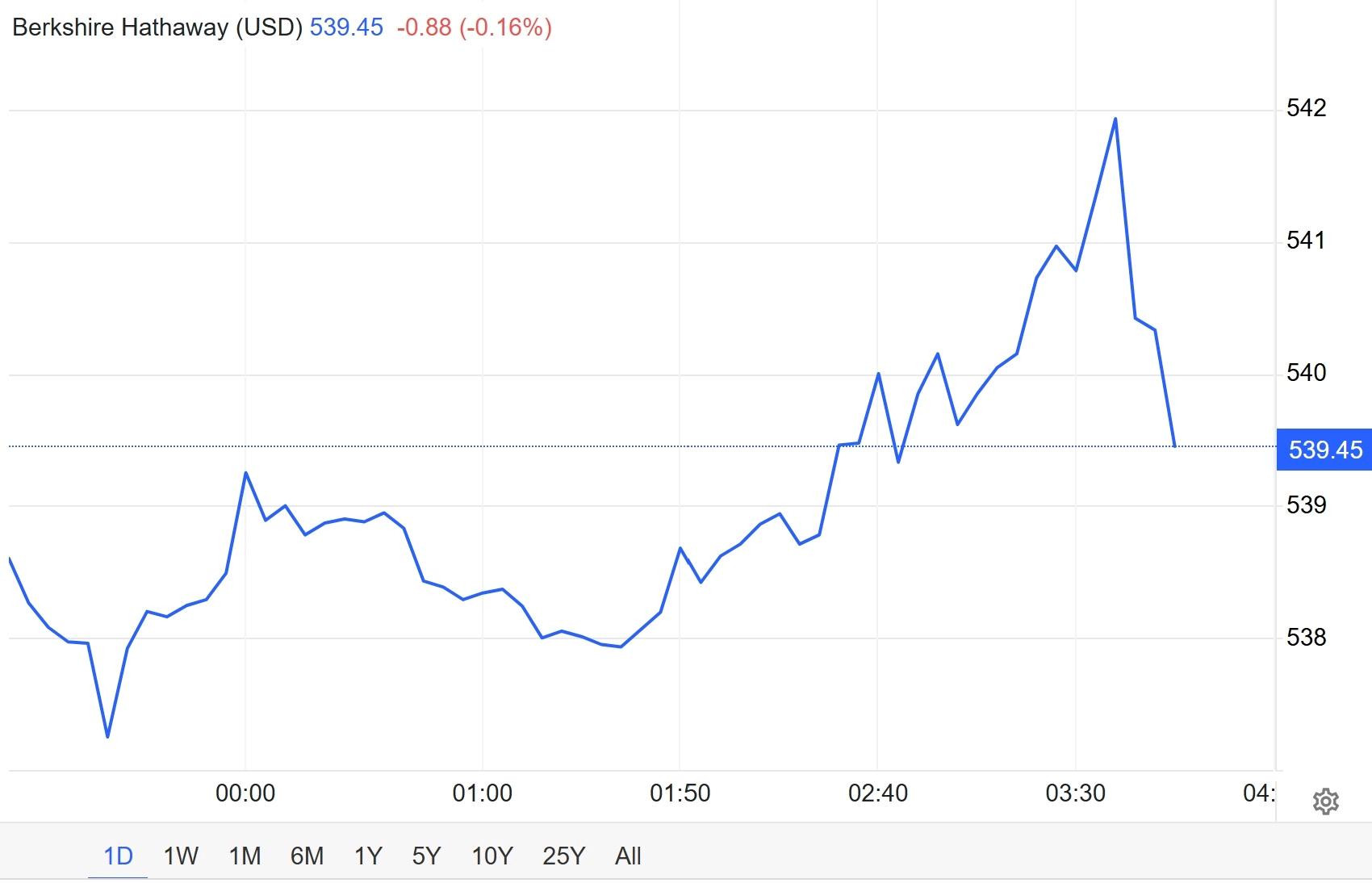
A Challenging Year for Berkshire Hathaway
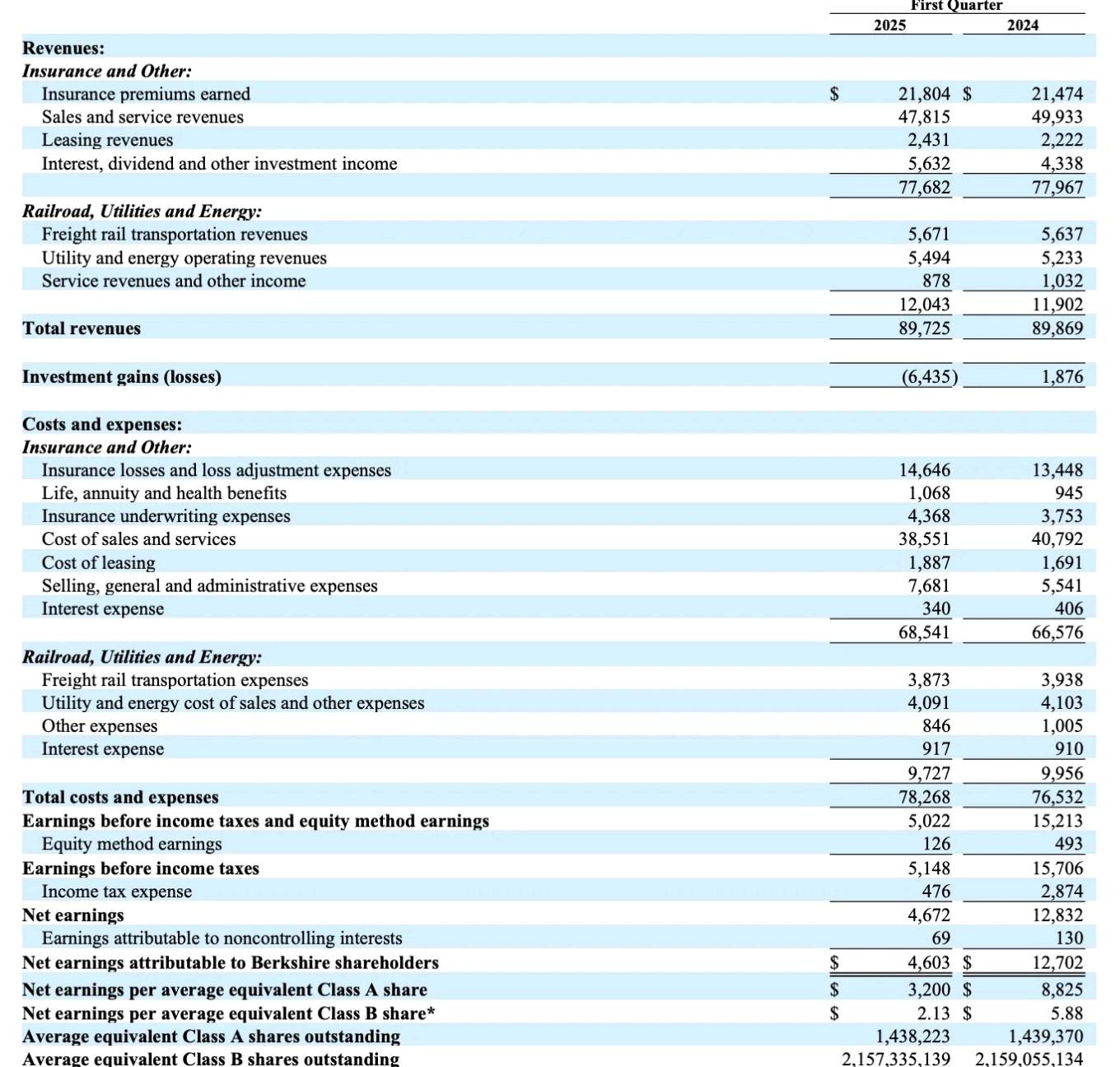
The backdrop to this year’s meeting isn’t all rosy. Berkshire Hathaway reported a decline in operating profits for the first quarter, down 14% year-over-year, from $11.2 billion to $9.6 billion. While revenues remained steady, the company’s profits took a hit, and Buffett himself warned that the rising global trade tensions could further damage the company’s performance. Specifically, he pointed to the impact of tariffs on sectors like auto insurance, where rising repair costs at Geico—Berkshire’s auto insurer—are a growing concern.
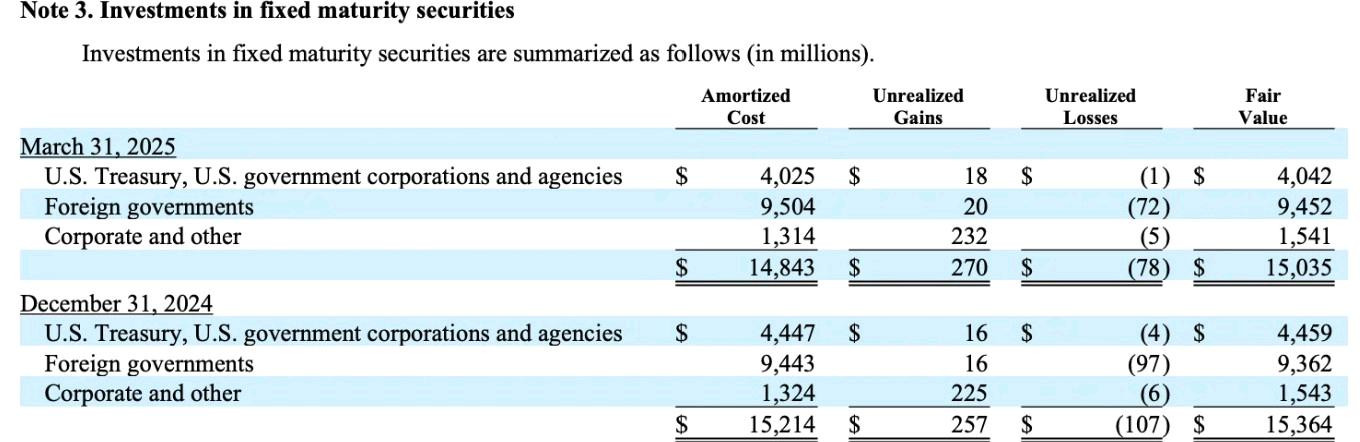
In addition to the profit drop, the company’s investment portfolio saw a significant dip, with Berkshire incurring a $5 billion investment loss during the quarter. This marks a sharp contrast from the past, when Buffett’s knack for market timing and value investing made him a legend. Despite this, Berkshire still boasts an impressive cash pile, which hit a record $347.7 billion by the end of the first quarter—an astonishing figure that’s both a strength and a challenge. Buffett has often stated that it’s tough to find the right investments with so much capital, but the cash reserves give the company flexibility should opportunities arise.
Buffett’s Optimism for the Long-Term
Despite the immediate setbacks, Buffett remains steadfast in his belief in the resilience of the U.S. economy. Responding to a shareholder’s question about whether the ongoing changes in America’s political and economic landscape have dampened his long-term optimism, Buffett offered a perspective steeped in history. He pointed to the many crises the country has weathered—from the Great Depression to the world wars—arguing that while change is constant, America’s core strength lies in its ability to adapt and bounce back. He reassured shareholders that he remains confident in the country’s future, despite the present challenges.
In fact, Buffett was uncharacteristically upbeat when discussing the future, emphasizing that the key to success lies in being patient and taking action when the right opportunity presents itself. He stressed that when a worthwhile investment opportunity does come along, Berkshire will not hesitate to act, even with such a large cash reserve.
The Growing Role of Artificial Intelligence
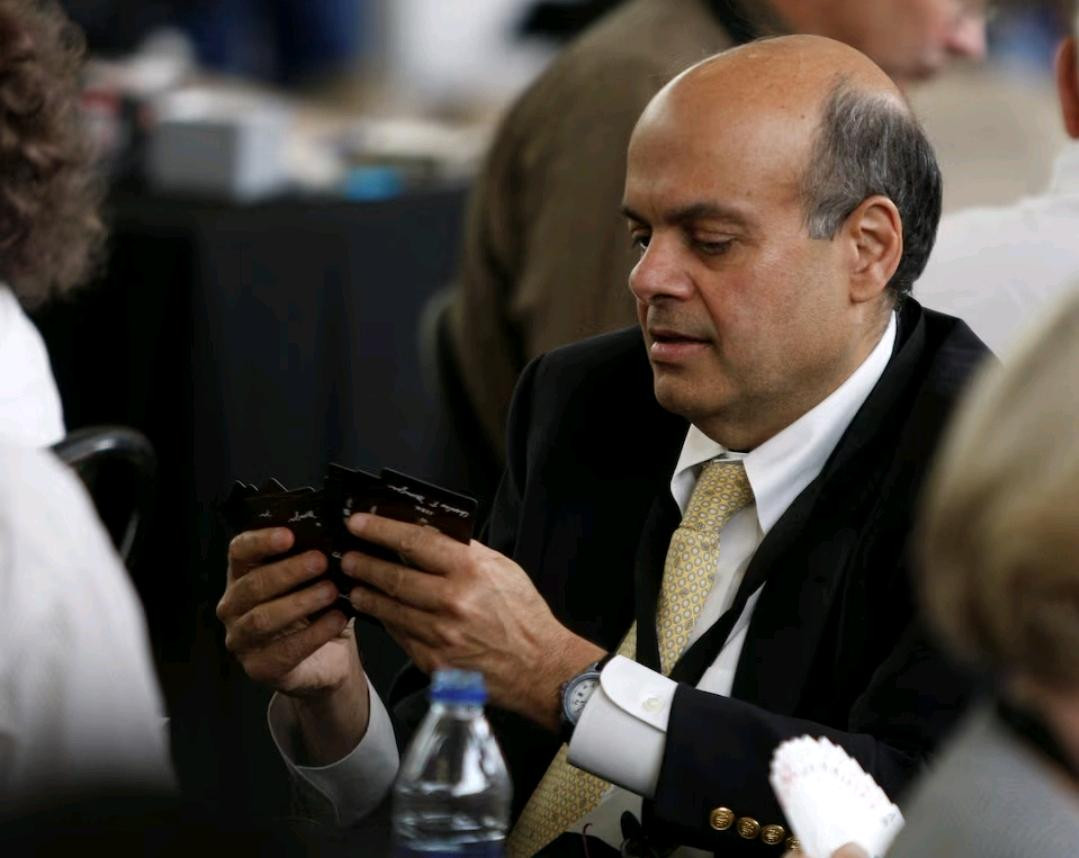
One of the key highlights of this year’s meeting came from Ajit Jain, who oversees Berkshire’s massive insurance business. Jain shared his thoughts on the growing role of artificial intelligence (AI) in the industry, noting that AI could prove to be a game-changer in areas like risk pricing. However, Berkshire is taking a cautious approach to AI, preferring to wait and see how the technology develops before making significant investments. Jain also warned that many companies are currently chasing the next big trend without fully understanding the long-term value. Berkshire’s strategy remains focused on long-term, sustainable investments, rather than jumping on the latest tech fad.
What’s Next for Berkshire’s Huge Cash Reserves?
As Buffett alluded to in his comments, Berkshire’s cash reserves are both a blessing and a curse. With no immediate opportunities that meet the company’s rigorous standards, the question remains: how will Buffett and Abel deploy this colossal amount of capital? While Buffett did not announce any major acquisitions at this meeting, investors are anxiously waiting to see if Berkshire will use its cash to make big moves, like acquiring oil stocks or even a massive deal similar to the 2022 purchase of Alleghany.
It’s also worth noting that the company has made some adjustments to its investment portfolio, including scaling back its holding in Apple, a company that’s become synonymous with Berkshire’s success. Despite the selloff, Buffett has been clear that Apple remains a strong investment. The shifting landscape of the tech sector, combined with ongoing geopolitical risks, may lead to further changes in Berkshire’s portfolio, particularly in high-risk sectors.
The Future of Berkshire: Will Abel Keep Buffett’s Legacy?
Looking ahead, investors are watching closely to see how the transition to Greg Abel will unfold. Buffett has always been a staunch believer in value investing and keeping Berkshire’s operations under one roof, but with his imminent departure, many are wondering if there will be shifts in both leadership style and investment strategy. Abel, who has been groomed for this role for years, will likely continue much of Buffett’s strategies but may also bring his own approach, especially in terms of how the company deploys its massive cash reserves.
Global Expansion and the Japan Strategy
One of the more intriguing developments in recent years has been Berkshire’s increased focus on Japan. Buffett has publicly stated that Berkshire plans to hold its investments in Japan’s five major trading companies—Mitsubishi, Sumitomo, Marubeni, Mitsui, and Itochu—long-term. These companies have performed well, and Berkshire has expressed confidence in their future prospects. The strategy also highlights Buffett’s growing interest in international markets, which could signal a broader diversification in the future.
The Uncertain Road Ahead
As Berkshire Hathaway stands on the brink of a new era, all eyes are on what Buffett, and soon Abel, will do with the company’s considerable assets. Despite the challenges the company is facing, Buffett’s legacy and leadership have proven resilient over decades. However, it’s clear that the next chapter for Berkshire Hathaway will look very different, and shareholders are eager to understand how the company will navigate the changing landscape in both the U.S. and global markets. For now, the future of the company remains in good hands—though those hands may soon belong to someone else.
This content is provided for informational or educational purposes only and does not constitute investment advice.