
Is Warren Buffett’s Legacy Secure with Greg Abel at the Helm?

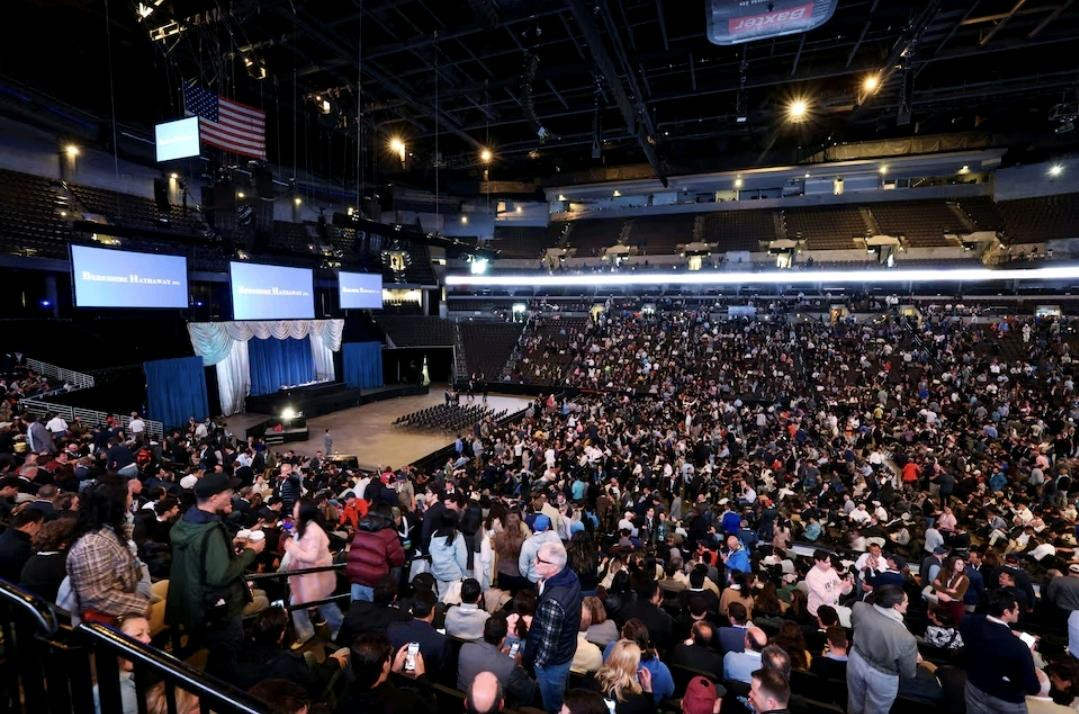
Warren Buffett, the legendary chairman and CEO of Berkshire Hathaway, delivered an insightful and candid presentation during the company’s 2025 annual shareholders meeting in Omaha. This year marked a pivotal moment in the history of the firm, as Buffett confirmed that his successor, Greg Abel, would take over as CEO by the end of the year. Buffett, at 94, reflected on a lifetime of achievements, controversies, and pivotal decisions as he prepares for a new chapter at the company. Here’s a recap of the major moments and takeaways from the meeting.
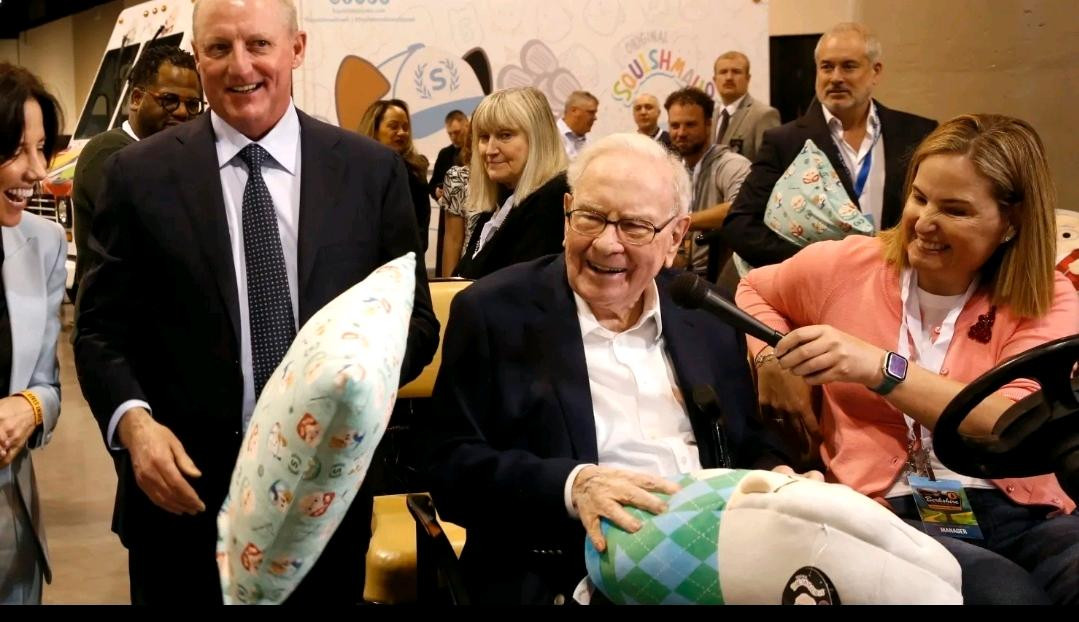
Will Greg Abel’s Leadership Mark a New Era?
One of the most significant announcements at the meeting was Buffett’s formal declaration that Greg Abel would assume the role of CEO at the end of 2025. The decision, which Buffett revealed during a Q&A session, marks the end of an era at Berkshire Hathaway$BRK.A $BRK.B . Buffett expressed confidence in Abel’s leadership and promised to remain involved in the company, but emphasized that the final decision-making power would rest with Abel.
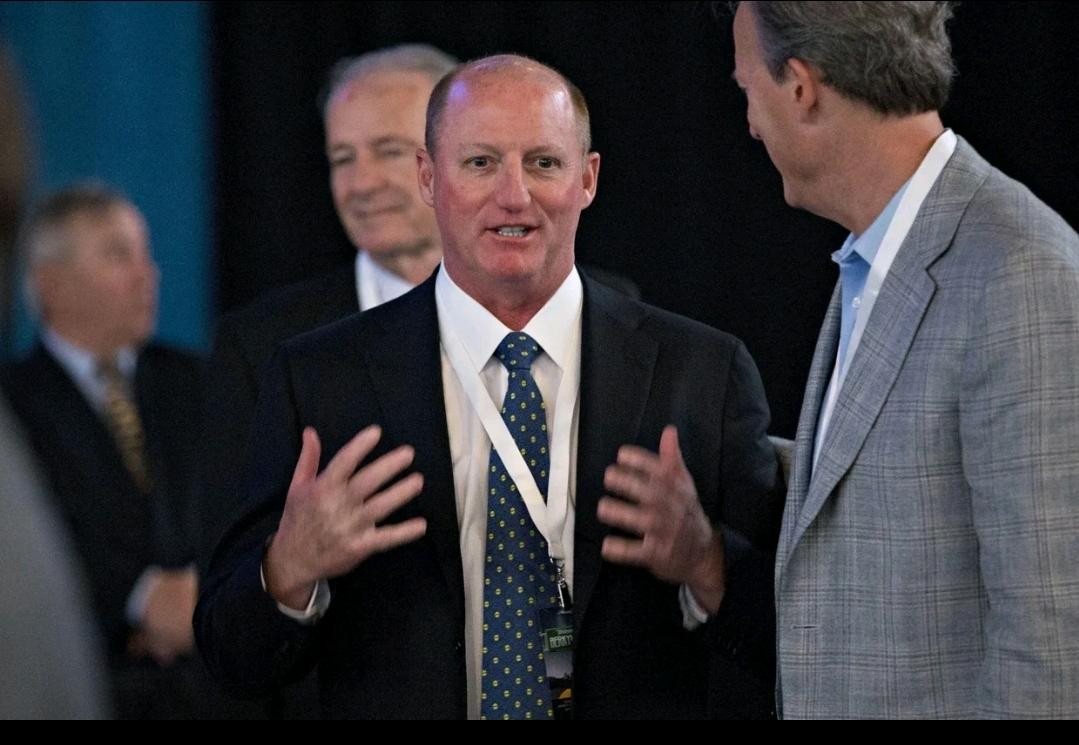
“I believe the company will do even better under Greg’s leadership,” Buffett declared. His commitment to staying involved, especially during major investment decisions, reassured shareholders that the transition would be smooth. The announcement was met with a standing ovation, a testament to the respect and admiration that shareholders have for Buffett’s enduring influence on the company.
Trade Wars, Global Economics, and Financial Warnings
A recurring theme during the meeting was Buffett’s candid commentary on global trade, particularly the impact of tariffs and trade wars. He reinforced his belief that “trade should not be used as a weapon,” expressing concerns about the ongoing trade disputes, especially the economic ramifications of the U.S.-China tariff war. Buffett warned that trade wars could have unintended consequences, creating negative attitudes that hurt international cooperation and economic growth.
Buffett’s remarks about U.S. economic policies also raised alarms. He reiterated his concern over the nation’s growing fiscal deficit, calling it unsustainable in the long term. With the government running such a high deficit, Buffett warned that economic stability could be jeopardized if the trend continued.
These insights sparked conversations about the risks inherent in the global financial system, and Buffett’s warning that the “American economic temple” could be replaced by a “casino” indicated his concerns about the speculative nature of financial markets.
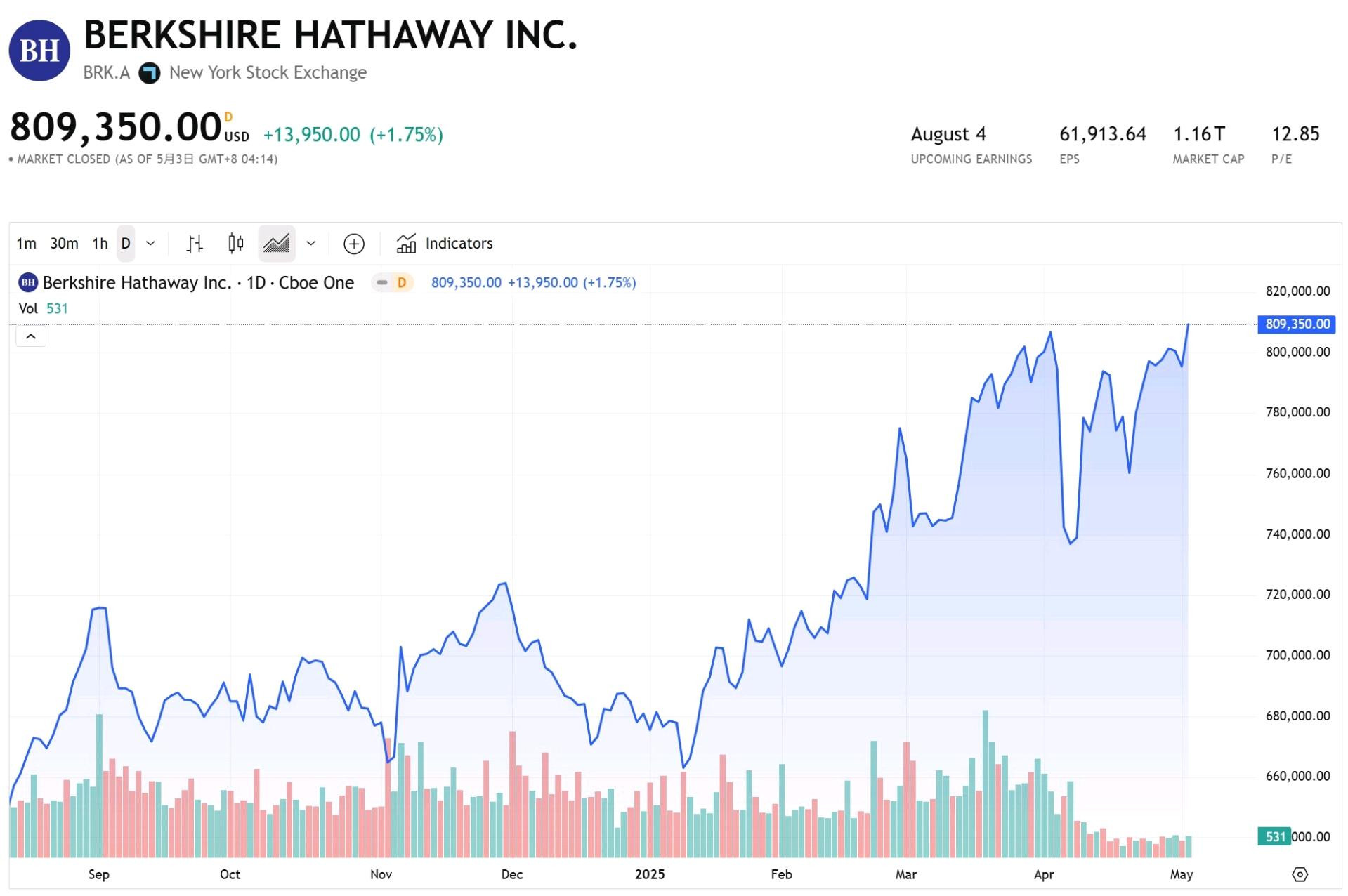
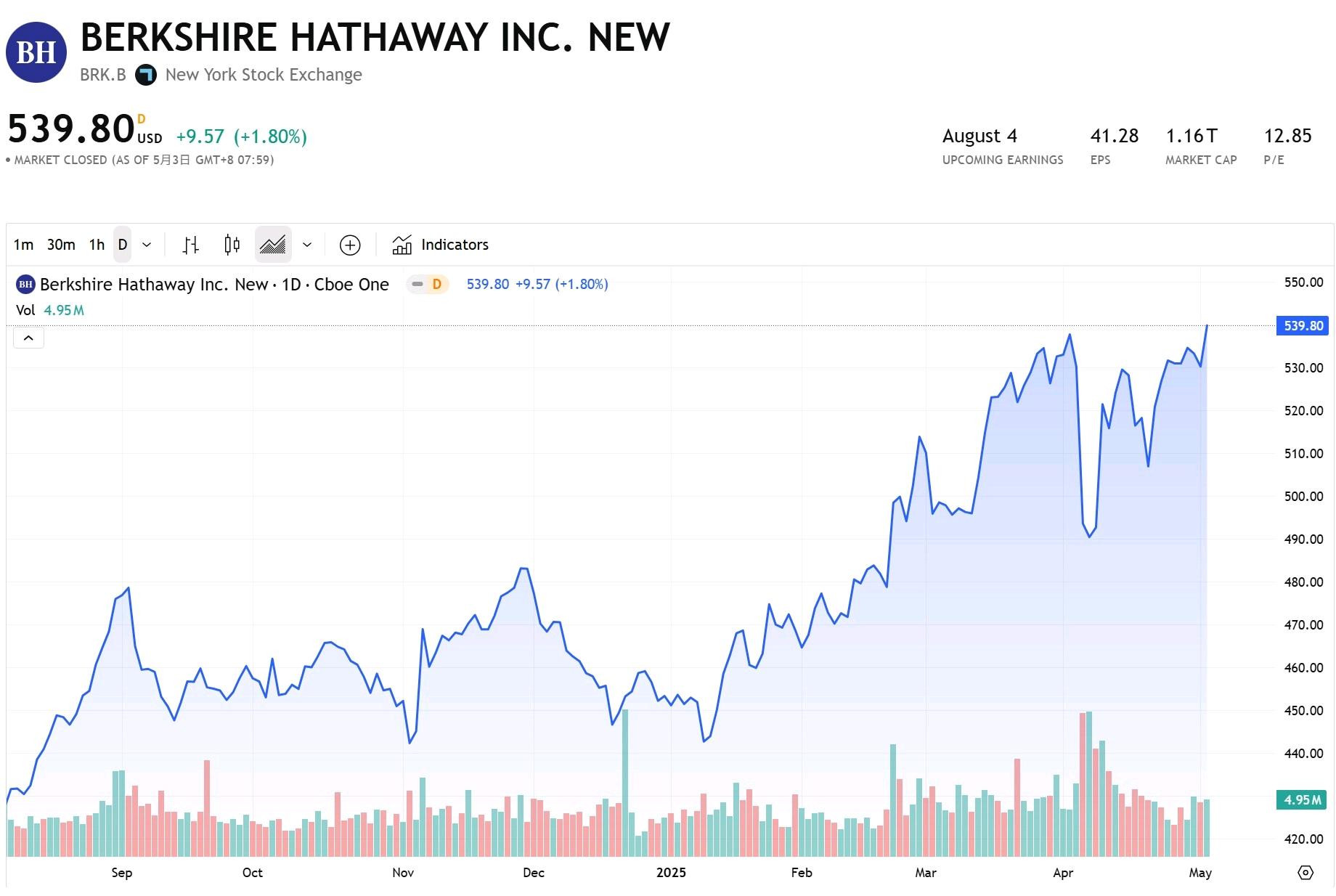
Is Berkshire Hathaway’s Commitment to Japan Here to Stay?
Among the many investment decisions Buffett discussed, his continued commitment to investing in Japan’s five major trading companies stood out. Buffett made it clear that Berkshire Hathaway’s investment in these companies—Mitsubishi Corporation, Mitsui & Co., Sumitomo Corporation, Itochu Corporation, and Marubeni Corporation—was a long-term bet, likely to span 50 years or more. In fact, Buffett explicitly stated that Berkshire would never sell these stocks, calling the relationship between Berkshire and these companies “strategic” and beneficial for both parties.
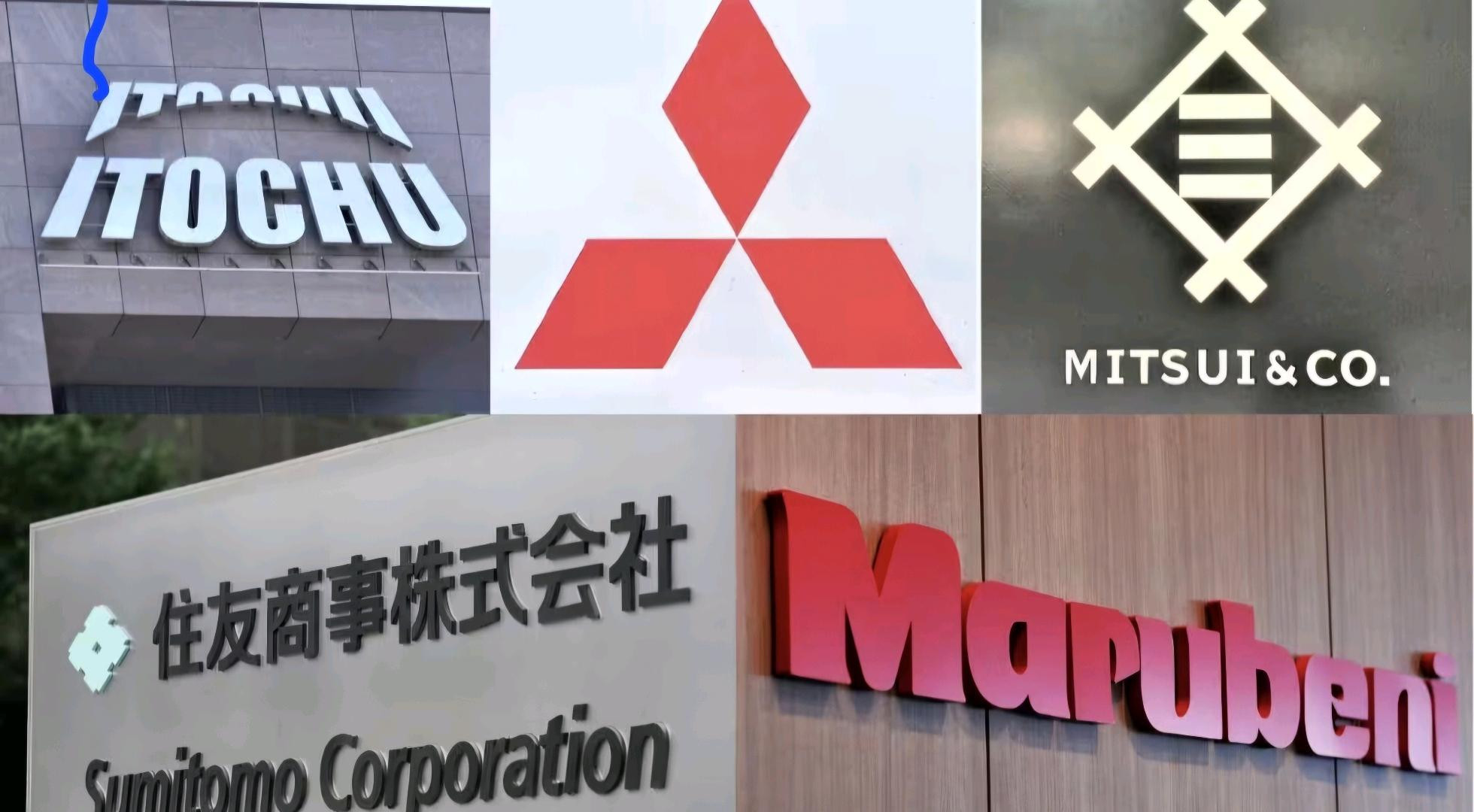
The Japanese investment also highlights Buffett’s ability to capitalize on favorable currency conditions, given the low-interest rates in Japan. Berkshire Hathaway’s holdings in Japanese companies are yielding dividends that exceed $800 million annually, a significant return relative to the low interest on the company’s Japanese bonds.
A Warning on AI, Insurance, and the Future
During the meeting, Buffett and his insurance business leader, Ajit Jain, discussed the potential impacts of emerging technologies like artificial intelligence (AI) on the insurance industry. While Buffett acknowledged AI’s transformative potential, he also emphasized that Berkshire Hathaway was taking a cautious approach, preferring to observe the technology’s development before making any major investments. This careful strategy has been a hallmark of Buffett’s investment philosophy, focusing on opportunities that offer clear, long-term value.
On the insurance front, Jain spoke about the evolving nature of auto insurance in the age of self-driving cars. As autonomous vehicles become more common, the nature of risk in the insurance business will change, and Berkshire Hathaway’s insurance subsidiaries, including GEICO, are preparing for a shift from driver error to product liability coverage.
Will Berkshire Hathaway Deploy More Cash in the Near Future?
Berkshire Hathaway’s cash reserves, which had reached a historic \$347.7 billion by the end of Q1 2025, were another key topic of discussion. Buffett explained that the large cash stockpile was not a result of fear or indecision but a reflection of the current lack of attractive investment opportunities. He revealed that the company had come close to spending $10 billion on an acquisition in recent months, but ultimately passed on the deal due to valuation concerns.
Despite the massive reserves, Buffett assured shareholders that the company was ready to deploy this cash when the right opportunity arose. “We’re always looking for a good deal, and if the right opportunity comes along, we’ll deploy the cash,” he said. The large cash reserve, Buffett added, would also ensure that Berkshire Hathaway could weather any economic storms in the future.
The State of the U.S. Dollar and Global Currency Risks
Buffett also addressed concerns about the U.S. dollar’s weakening and the broader impact of global currency volatility on investments. While Berkshire Hathaway has traditionally avoided heavy exposure to foreign currencies, it has used the Japanese yen to hedge its investments in Japan’s trading companies. Buffett admitted that, while the company does not typically engage in foreign exchange speculation, it would continue to evaluate the dollar’s status carefully, given its importance to the U.S. economy.
His concerns about the U.S. fiscal deficit and potential instability in the dollar were clear, particularly as government policies continue to devalue the currency over time. This, Buffett warned, could lead to significant economic challenges if not addressed.
A Final Word: The Future of Berkshire Hathaway
As the meeting wrapped up, Buffett expressed his gratitude to the shareholders who have supported Berkshire Hathaway over the years. Reflecting on his 60 years at the helm, he acknowledged the challenges and triumphs but remained optimistic about the company’s future under Greg Abel’s leadership.
“Berkshire’s future is bright, and I believe it will do even better under Greg,” Buffett concluded, signaling his full support for his successor.
As Buffett transitions into a more advisory role, his legacy at Berkshire Hathaway seems secure. With Abel taking over as CEO, the company will continue to prioritize long-term, value-driven investments while remaining vigilant about emerging risks and opportunities in the global economy. It’s clear that while Buffett may be stepping down, the core values that have driven Berkshire Hathaway’s success will remain unchanged under the next generation of leadership.
In the end, Buffett’s meeting left shareholders reassured and hopeful about the future of the company, even as they bid farewell to the “Oracle of Omaha.”
This content is provided for informational or educational purposes only and does not constitute investment advice.