
Can Powell Keep the Fed Afloat Between Inflation and Recession?

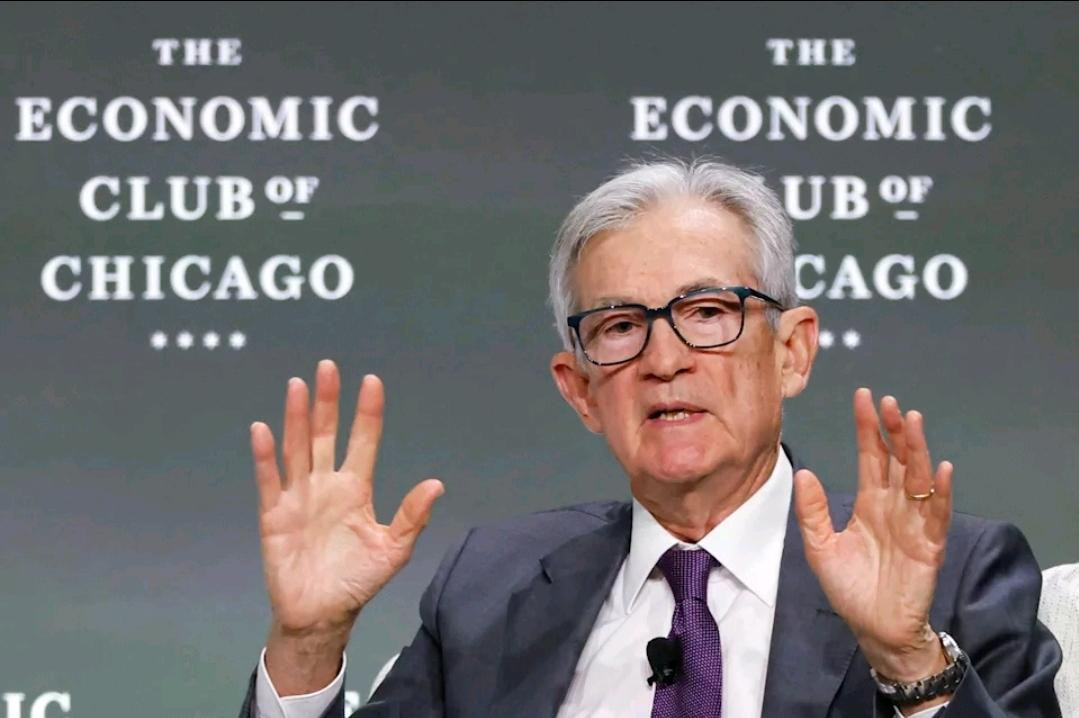
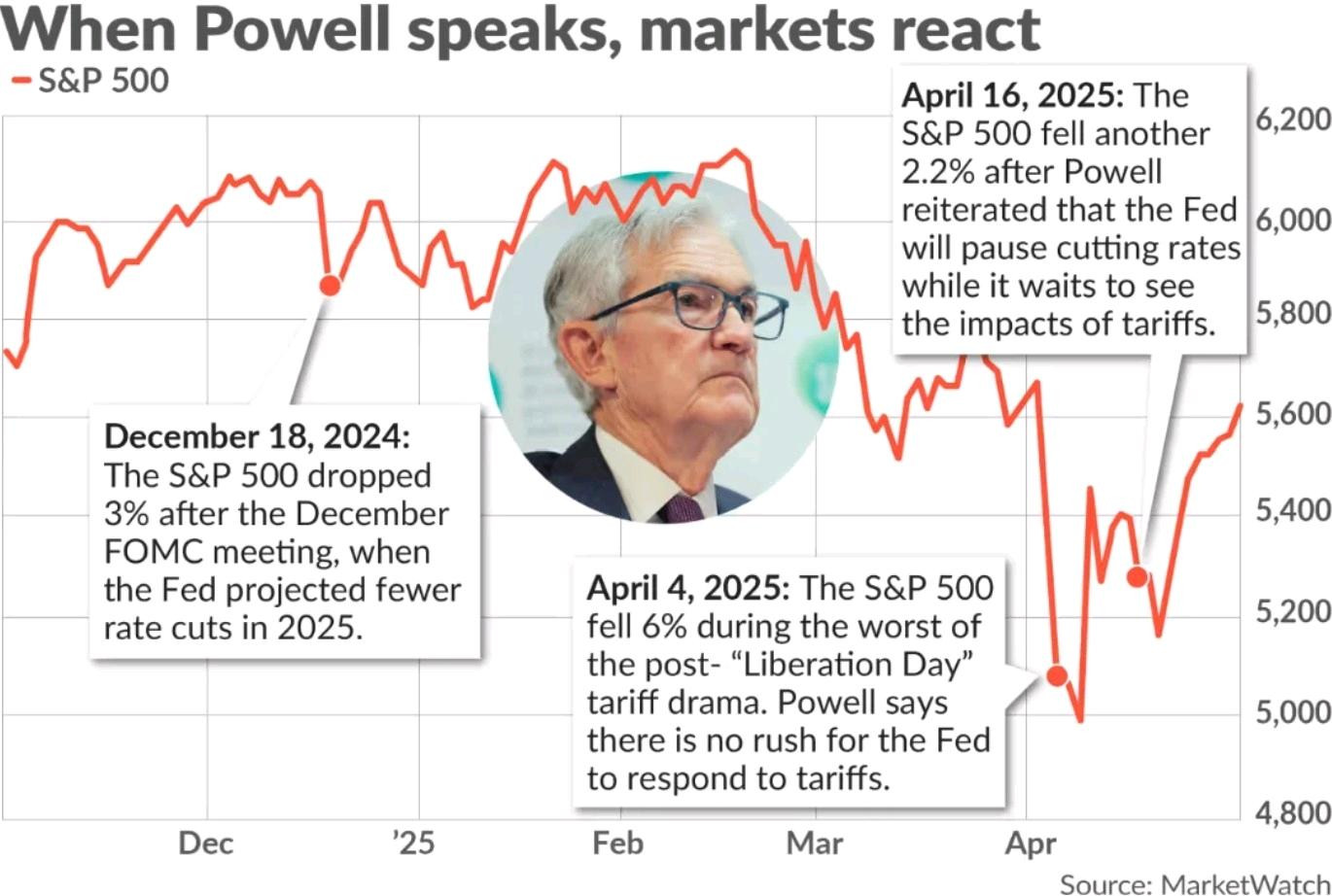
This week’s Federal Open Market Committee meeting is the defining moment for Chair Jerome Powell. With sticky, tariff‑driven inflation running above the Fed’s 2% goal and early signs of an economic downturn, Powell must reassure markets that the Fed will tame prices without suffocating growth. Investors are nearly certain rates will stay unchanged, but they’re also betting on three cuts by year‑end. Meanwhile, President Trump ratchets up pressure for pre‑emptive easing. How Powell frames the decision—and his post‑meeting remarks—will set the tone for U.S. monetary policy through summer’s end.
Is Inflation Here to Stay or Just a Blip?
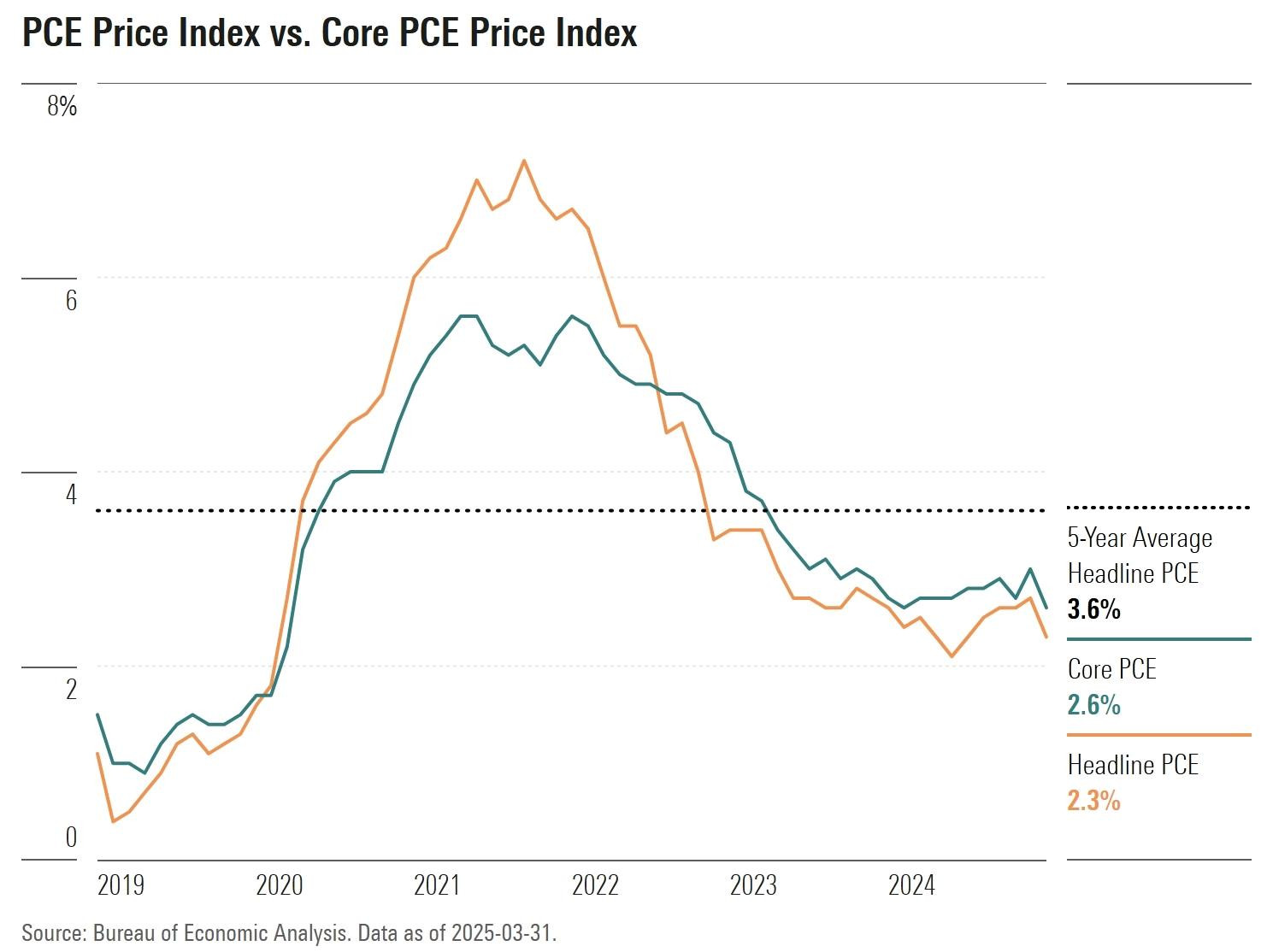
Fed officials are split over whether recent price pressures from Trump’s tariffs are transitory. Core PCE inflation eased to a 2.6% annual pace in March but remains above target. Governors like Christopher Waller argue that any delay in cutting rates risks unnecessary job losses if growth slows. Conversely, hawks such as Esther George contend that anchoring inflation expectations is crucial—even if it means tolerating a modest uptick in unemployment. The debate hinges on whether consumers pull back, dragging inflation down, or if tariffs embed longer‑term price gains.
Tariffs vs. Growth: The Unseen Tug of War
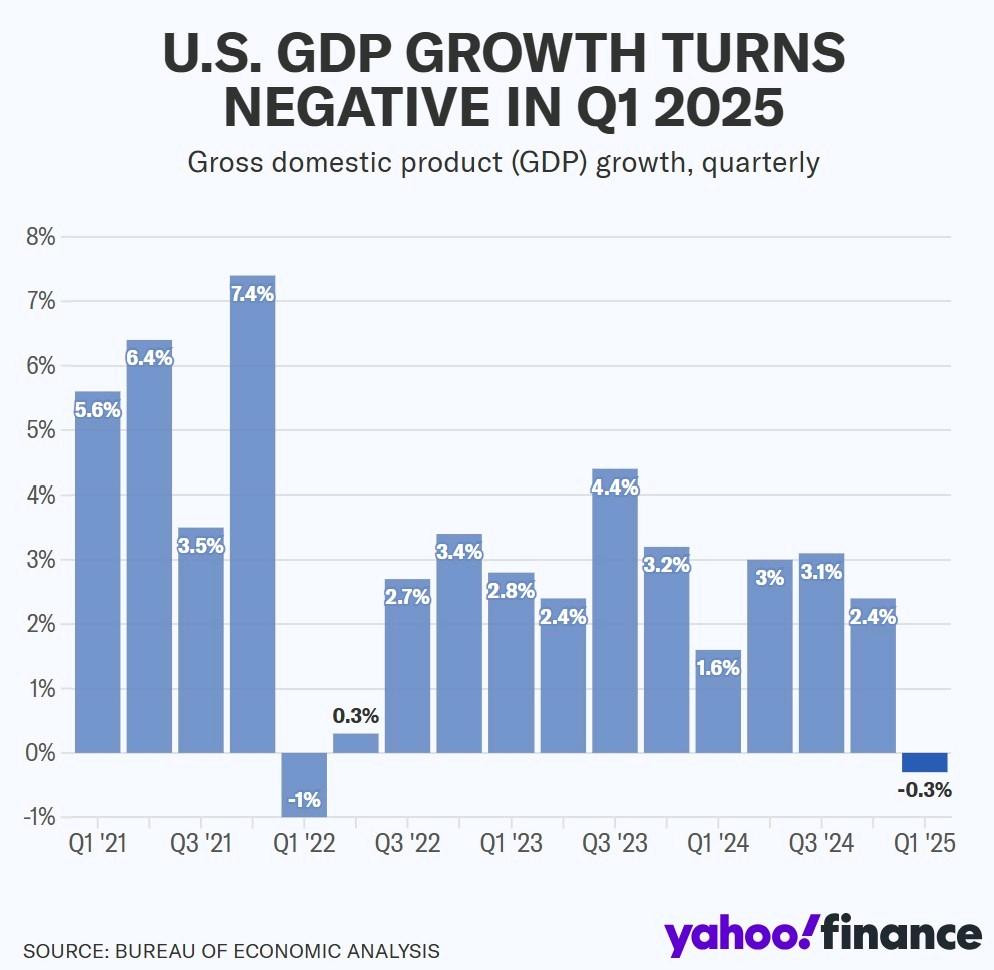
In the first quarter, U.S. GDP contracted for the first time in three years—primarily because importers front‑loaded purchases before tariffs took effect. Yet, April’s employment report showed job creation remained solid, underscoring a classic Fed dilemma: how much above‑target inflation is tolerable before labor‑market weakness becomes too severe. Wilmington Trust’s Luke Tilley sees this “tug of war” continuing into Q2, predicting a mild, brief recession that will ultimately force rate cuts. He forecasts the Fed will trim 125 basis points by year‑end—but only after confirming real growth has faltered.
Will Trump Pull the Fed’s Independence Off the Rails?
President Trump has taken to social media—labeling Powell “Mr. Too Late”—to demand immediate rate cuts, even flirting with replacing the Fed chair. While he later backed off firing Powell, the episode rattled investors and briefly undermined faith in the Fed’s autonomy. Fed independence underpins foreign capital inflows and the U.S. market’s exceptionalism. Powell’s challenge: deflect presidential pressure without appearing tone‑deaf to the White House or the market.
Why “Sell in May” Is Fading as Gospel
Seasonal traders love to warn, “Sell in May and go away,” pointing to historically weaker returns from May through October. LPL Financial data show that since 1950, $SPX has averaged just a 1.8% gain in those months—versus stronger winter returns. Yet, this year’s volatile, policy‑driven market makes such rules of thumb less reliable. Technicians suggest buying on dips, not timing broad exits. With trade headlines and Fed policy dominating, strategy is shifting from calendar‑based to news‑driven.
Are Markets Priced for Patience or a Pivot?
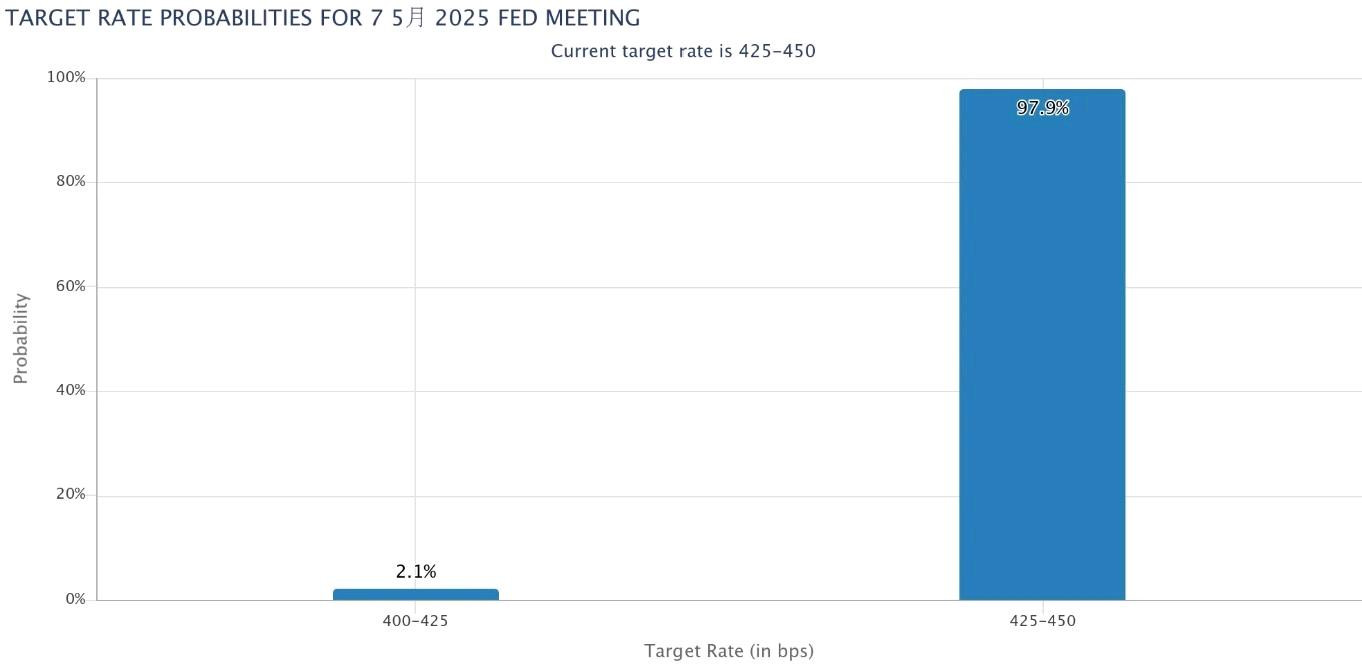
CME’s FedWatch Tool pegs a 97.9% probability of no move this week—but three cuts by December. That dichotomy reflects two potential triggers: inflation easing decisively or economic growth softening sharply. The Fed’s 90‑day tariff pause expires in July, meaning any extension could delay the first cut beyond summer. Traders will dissect Powell’s press conference for clues: a nod to future easing could fuel rallies, while a stern “data‑dependent” stance could reignite volatility.
Looking Ahead
Powell’s post‑meeting tone will be the market’s true verdict. Emphasizing patience and clear data thresholds could preserve the Fed’s credibility and calm skittish investors. Overly dovish hints risk fueling inflation expectations; overly hawkish rhetoric risks stalling a slowing economy. In the tightrope act between hot prices and cooling demand—and under the glare of presidential impatience—Powell’s balancing act
This content is provided for informational or educational purposes only and does not constitute investment advice.