
Is the New Taiwan Dollar’s Historic Surge Signaling a Financial Storm?
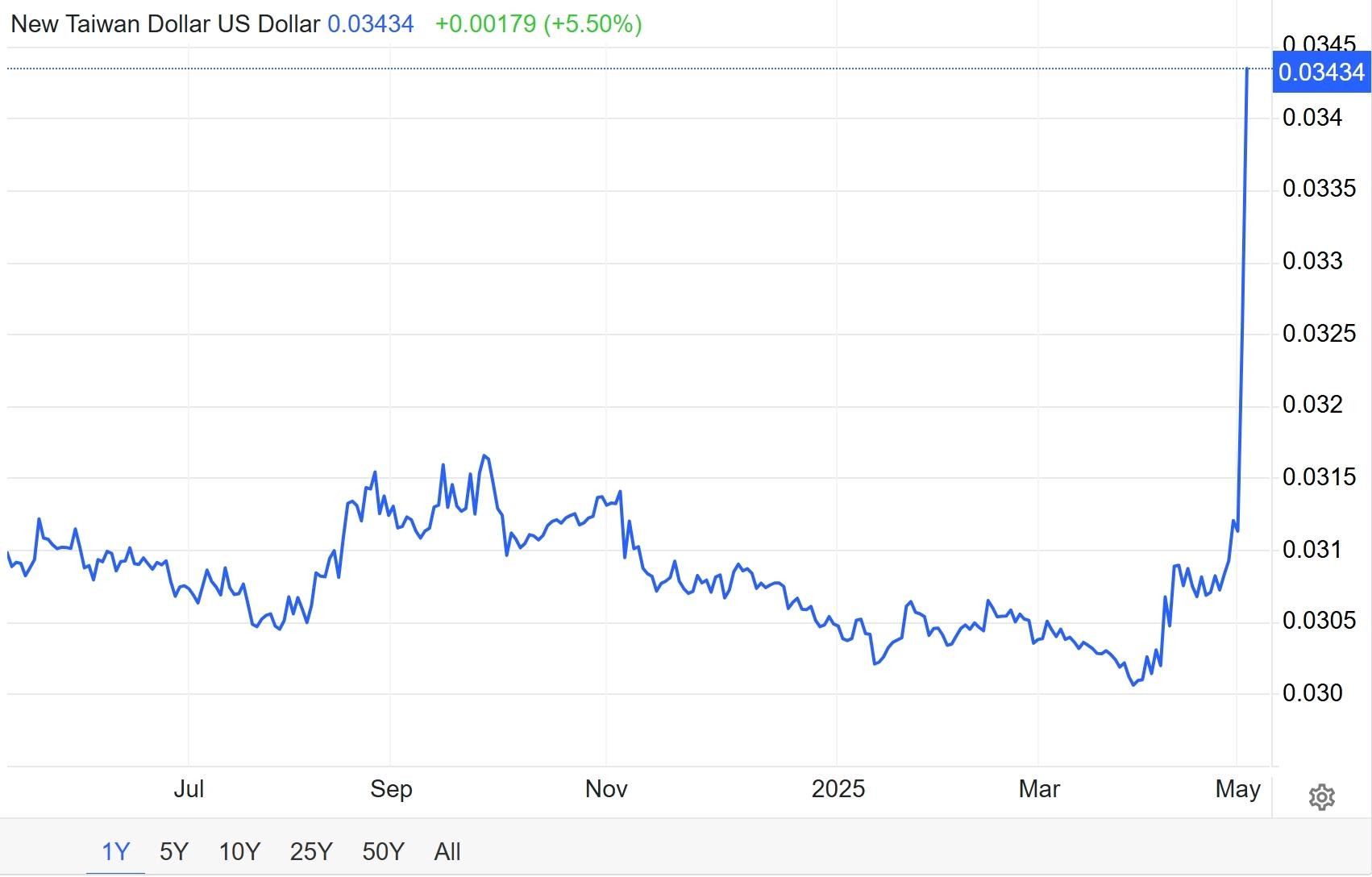
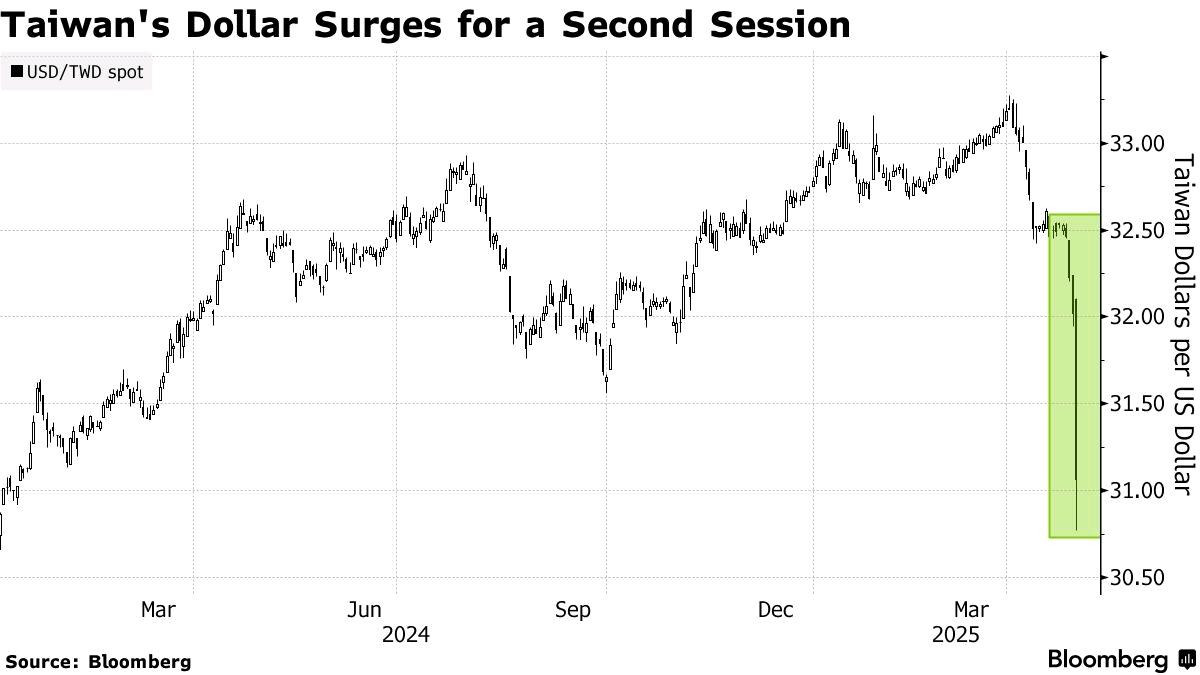
Over just two trading days, the New Taiwan dollar (TWD) rocketed higher—gaining 6.5% against the U.S. dollar in what Mitsubishi UFJ Financial Group (MUFG) calls a “19‑sigma event.” This unprecedented rally has forced both Taiwan’s insurance giants and regulators into emergency mode. Years of under‑hedged U.S.‑dollar exposures now threaten to ignite a broader financial upheaval, coinciding with nascent hopes of eased U.S.‑China trade tensions.
How Unlikely Is a “19‑Sigma” Move?
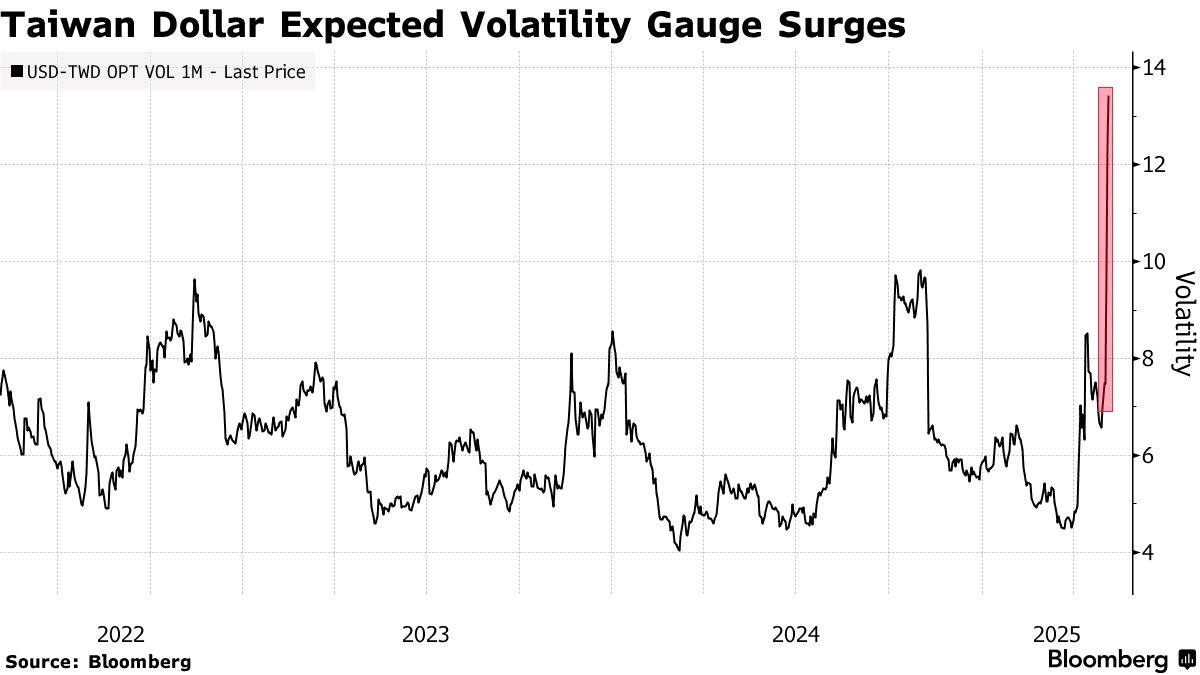
In statistical parlance, an event lying 19 standard deviations from the mean effectively has zero probability under a normal distribution. Yet on May 2, the TWD jumped nearly 3%—its sharpest one‑day gain since 1983—and then surged again on May 5, amounting to an astonishing 6.5% two‑day rally. For perspective, a 3‑sigma event happens roughly once every 740 trading days; a 19‑sigma move is so far outside the realm of “normal” that risk models never account for it. The ferocity of this move shattered VaR‑based limits and sent traders scrambling to reprice currency books.
Why Are Insurers Sweating?
Taiwan’s life‑insurance sector is uniquely vulnerable. Insurers collectively hold about USD 700 billion of long‑dated, U.S.‑dollar–denominated bonds—roughly 7% of Taiwan’s GDP—and have hedged only around 65% of their foreign‑exchange exposure. That leaves a colossal USD 460 billion unprotected. As the TWD strengthens, the local‑currency value of these assets plummets, eating into insurer capital and potentially triggering margin calls on hedges. The Financial Supervisory Commission (FSC) has already summoned Taiwan’s top five life insurers for “urgent discussions” on mitigating these FX losses.
“A mismatch of this magnitude is like a time bomb,” says Brad Setser of the Council on Foreign Relations. “Once the dollar weakens, unhedged positions collapse, risking a shock to the entire financial system.”
What Sparked the TWD Rally?
Multiple forces converged to propel this extreme move:
1.Trade Truce Optimism
President Trump’s comments on lowering certain U.S.‑China tariffs—coupled with reports that the White House plans to announce tariff exemptions—prompted broad dollar selling. According to FactSet, the TWD briefly hit 29.42 per USD on May 5, its strongest level since March 2023.
2.Holiday Illiquidity
With major Asian markets closed for holidays on May 5, trading volumes thinned dramatically. In such conditions, even moderate order flows can trigger outsized price swings.
3.Insurer De‑risking
Facing mounting mark‑to‑market losses, life insurers raced to buy TWD forwards and FX swaps to hedge their outsized dollar positions. This avalanche of hedging demand overwhelmed the offshore swap market, driving the TWD sharply higher.
OCBC Global Markets notes: “The speed and scale of TWD appreciation caught many liquidity providers off‑guard, fuelling a self‑reinforcing cycle of buys.”
Can the Central Bank Step In?
Bank of Taiwan Governor Yang Chin‑long has pledged to intervene if exchange‑rate moves threaten financial stability. He disclosed two rounds of spot‐market interventions on May 2 and 5 and publicly warned pundits against stoking speculative excess. Yet Taiwan’s USD 1.7 trillion reserve pile—over 200% of GDP and largely invested in U.S. Treasuries—limits aggressive FX defense. Heavy intervention could erode these buffers and draw international scrutiny.
“Our mandate is market stability, not targeting a specific exchange rate,” Governor Yang emphasized in his May 5 press briefing. “But we will act decisively if volatility jeopardizes economic activity or financial order.”
What Lies Ahead for Exporters and Markets?
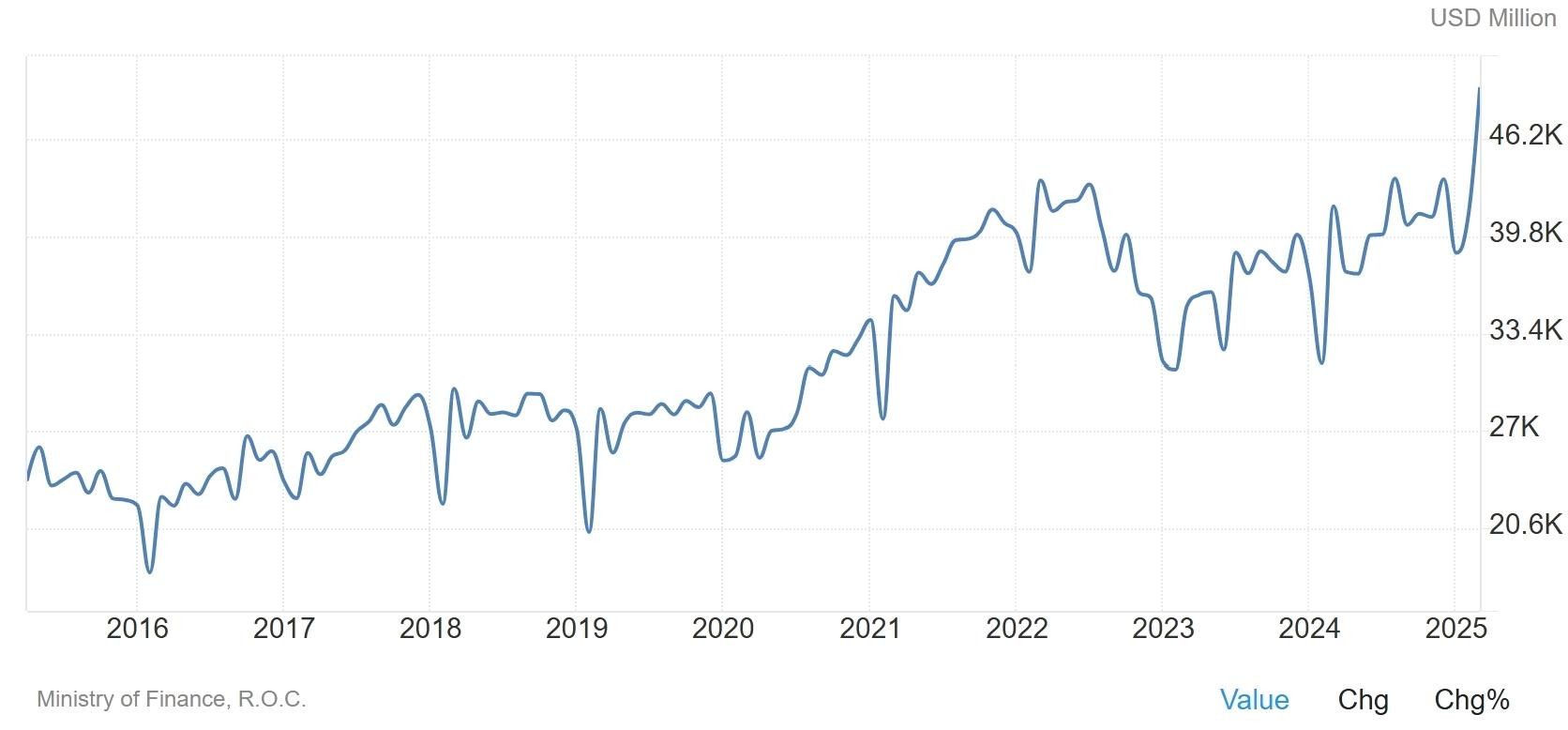
A stronger TWD depresses the price competitiveness of Taiwan’s export‑driven economy. Semiconductors and electronics—77% of Taiwan’s exports—could see profit margins squeezed if the currency remains overvalued. Exporters may delay capex or shift production incentives abroad, weighing on domestic growth.
On the financial front, life insurers grappling with capital shortfalls may slow or suspend purchases of new U.S. bonds, straining secondary markets. Brokers warn that forced asset sales could trickle into equity and credit markets, amplifying volatility.
Is a Broader Storm Brewing?
Beyond insurers, Taiwan’s broader financial system is deeply linked to U.S. monetary policy. Rising U.S. yields—driven by Fed rate expectations and tariff‑led risk sentiment—have already knocked 10–15% off long‑dated bond prices. Layer on a strong TWD, and unrealized losses mount rapidly.
“It’s a double whammy: weaker dollar reduces asset values in TWD terms, while higher U.S. yields compound mark‑to‑market losses,” explains Martin Whetton of Westpac. “If insurers face margin calls and liquidity shocks concurrently, we could see contagion into broader credit markets.”
The confluence of structural FX mismatches, opaque hedge accounting, and an overburdened central bank paints a precarious picture—one that could transition from localized stress to systemic strain if left unchecked.
The Bottom Line
The New Taiwan dollar’s historic surge lays bare a hidden vulnerability: decades‑long currency mismatches within the life‑insurance sector. While the central bank’s measured interventions may temper intraday swings, they cannot solve the underlying imbalance. As global monetary policy pivots and trade tensions ebb and flow, Taiwan’s insurers—and by extension its financial markets—remain perched on a razor’s edge. Whether the “19‑sigma event” proves a fleeting anomaly or the herald of a deeper financial storm will depend on swift regulatory action, disciplined risk management, and the trajectory of the U.S. dollar itself.
This content is provided for informational or educational purposes only and does not constitute investment advice.