
What’s Next Now That the Apple Tax Is on the Brink of Collapse?

The developer world just scored a monumental win as a U.S. federal judge dealt a fresh blow to Apple’s decades‑long “30% tax” on in‑app purchases. Effective immediately, iOS developers can guide users to third‑party payment systems—and they need not pay Apple a cent on those transactions. With profit margins poised to soar by as much as 30%, this ruling could upend the App Store’s economics—and Apple’s revenue stream—like never before.
Why Did the Court Finally Say “Game Over” for the Apple Tax?
Judge Yvonne Gonzalez Rogers—famous for overseeing Epic Games’ antitrust suit—concluded on April 30 that Apple willfully flouted her 2021 injunction. Back then, she ordered Apple to let developers point users toward external payment options; Apple instead slapped on a 27% fee on off‑app purchases whenever developers tried. “This is a court order, not a negotiation,” Rogers wrote, accusing the company of lying under oath and referring potential criminal contempt charges to federal prosecutors.
Developers Stand to Gain Big
Industry experts forecast that without the 30% cut on off‑app payments, profit margins could jump roughly 25–30%. That boost comes from reclaimed service fees—money developers will now keep rather than hand over to Apple. For many, especially smaller studios, that could mean funds to hire new talent, enhance game features, or launch more aggressive marketing campaigns.
The Fight Is Far From Over
Unlikely. Apple immediately vowed to appeal. In official statements, the company called the decision “deeply flawed,” promising to defend the App Store’s structure and its role in keeping users safe. With Apple’s deep legal pockets, the fight could drag on for months—or even years—as Tim Cook’s team presses its case before the Ninth Circuit Court of Appeals.
What Do Developers Think Is Coming Next?
Some publishers are already celebrating. Epic Games CEO Tim Sweeney declared “game over” for the Apple tax in the U.S., promising Fortnite’s return to the iOS App Store as soon as possible. He’s even offered a “peace proposal” to Apple: extend the court’s framework worldwide, and Epic will drop all related litigation. Meanwhile, services like Proton and Spotify have teased price cuts of up to 30% to reflect the newfound freedom.
A Landmark for Global App Economies
Although this ruling applies only within U.S. borders, its ramifications are expected to ripple worldwide. Similar battles in Europe under the Digital Markets Act have already forced Apple to reduce commissions—from 30% to 17% for large developers and from 15% to 10% for small ones—and prompted a €500 million fine this April for anti‑steering measures. Now, with an American court endorsing the same principle, regulators and developers in Asia and beyond may press for comparable reforms.
What’s at Stake for Apple’s Bottom Line?
Apple’s services division—home to App Store fees—generated $266.5 billion in trailing‑12‑month revenue as of Q2 2025, up 11.6% year‑over‑year and outpacing hardware growth. Without service‑fee income on off‑app payments, analysts predict a noticeable dent in that growth rate. For a company where each percentage point of revenue translates into billions of dollars, the stakes could not be higher.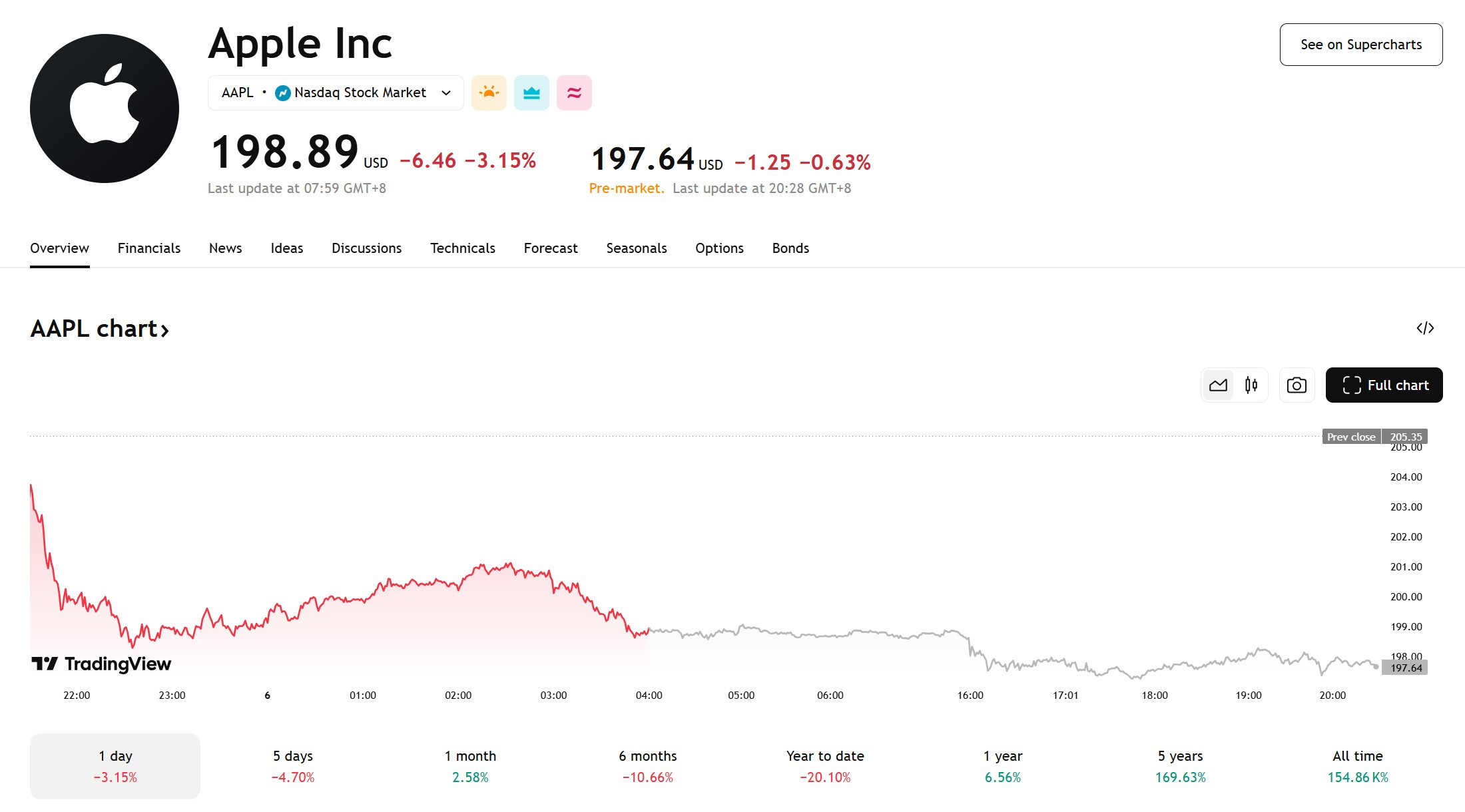
How Did We Get Here?
The saga began in 2020 when Epic Games sued Apple over its exclusive in‑app payment system and 30% cut on digital purchases in Fortnite. In 2021, Judge Rogers ruled in Epic’s favor—ordering Apple to allow external links—but Apple’s subsequent policies undermined that mandate. By imposing a 27% fee on off‑app purchases and creating new hurdles for developers, Apple effectively nullified Rogers’s injunction. The April 30 ruling finally re‑enforced the order in no uncertain terms.
What Comes After the Appeal?
Even if Apple prevails at the Ninth Circuit, pressure is building globally. Governments in Korea, Japan, and India are weighing regulations to limit app‑store commissions; Australia recently launched its own antitrust probe. Should other courts or regulators follow the U.S. lead, the App Store’s long‑standing control could fracture for good.
Will This Be the End of the Apple Tax Era?
That hinges on how far Apple is willing to fight—and how quickly. If the appeals court upholds Judge Rogers’s injunction, the company may have to rewrite App Store policies worldwide. If not, developers might still gain leverage by threatening to uproot from Apple’s ecosystem altogether. Either way, the era of the uncontested “Apple tax” appears numbered.
The wheels of change are in motion—and the App Store’s future, long deemed inviolable, now looks profoundly uncertain. With billions at stake for both developers and Apple, every appeal brief and regulatory hearing from here on out will be watched closely.
This content is provided for informational or educational purposes only and does not constitute investment advice.