
US and China to Begin Talks — What Markets Should Really Focus On

After years of tit-for-tat tariffs and a complete breakdown in communication, the US and China are finally coming back to the table.
China has announced that Vice Premier He Lifeng will meet US Treasury Secretary Scott Bessent in Switzerland. At the same time, US trade representatives will hold separate talks with their Chinese counterparts in Geneva. This marks the first time since the trade war escalated that both sides are engaging in direct, face-to-face economic talks.
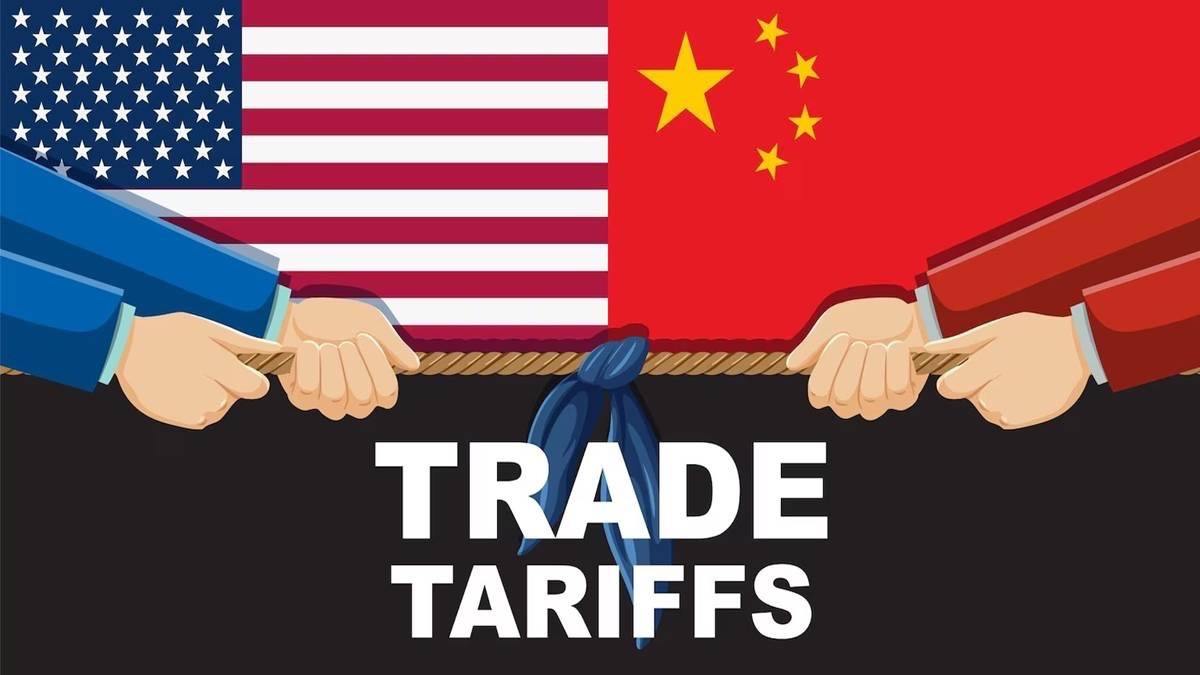
But this move isn’t just about easing tensions. It’s a response to growing pressure on both sides—and a signal that the rules of engagement might be shifting.
Why now?
The immediate reaction from many is: “Isn’t this just about US inflation?” That’s certainly part of it. But there’s more under the surface.
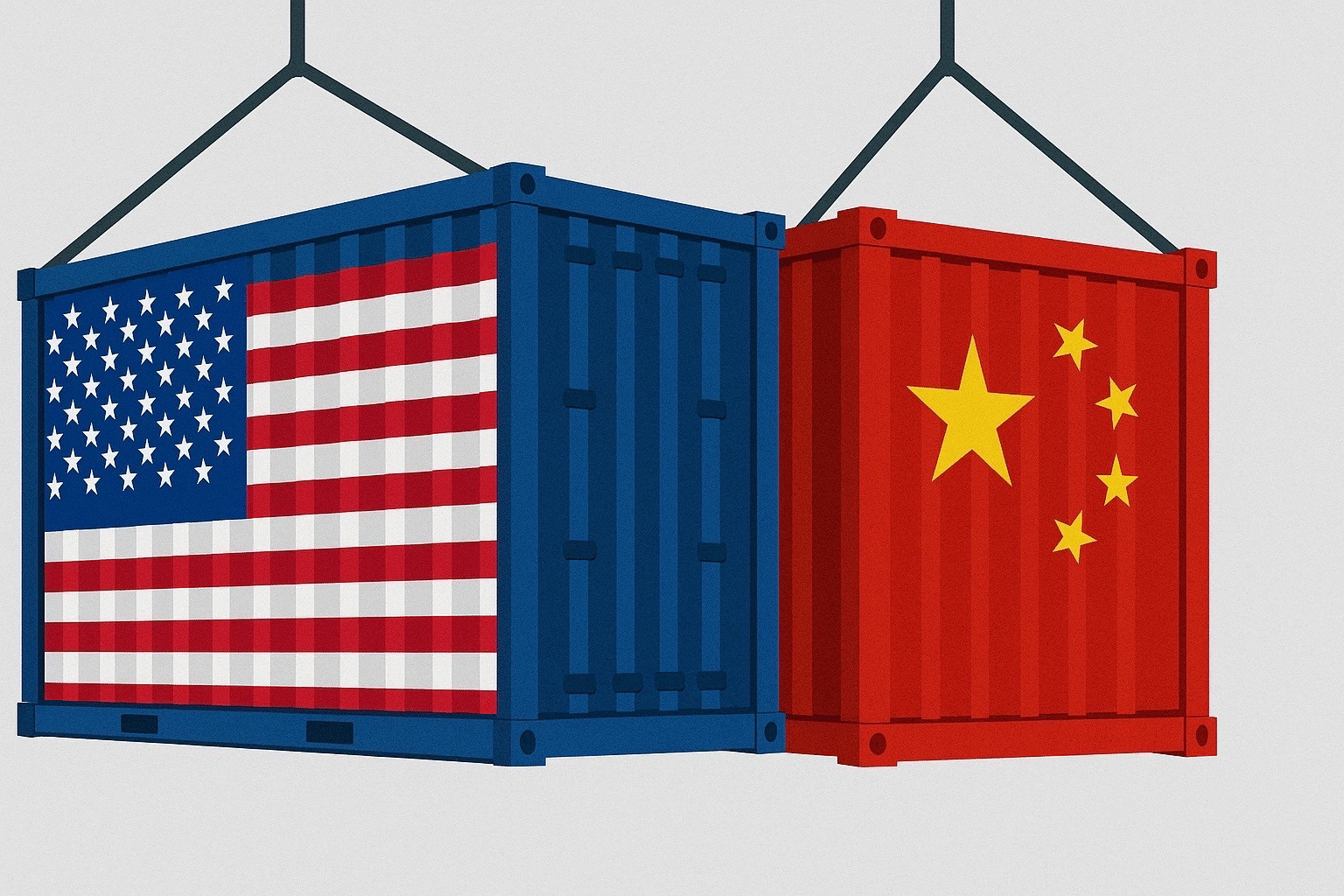
Earlier this year, the Trump administration reimposed sweeping tariffs on Chinese goods. On paper, it looked like a tough stance on China. In practice, it raised costs for American businesses and consumers. Many Chinese products are still deeply embedded in global supply chains, and there are no easy substitutes. Higher tariffs mean one of three things for US companies: raise prices, take a hit on margins, or deal with delays and shortages.
At the same time, while the US is actively trying to shift supply chains through “friendshoring” to countries like Mexico, Vietnam, and India, those regions simply aren’t ready yet. The infrastructure isn’t there, and the transition is slower than expected. The reality: certain critical components are still reliant on China. The more expensive those become, the more pressure on American industry.
China, too, has reasons to engage. It’s not about seeking reconciliation. It’s a strategic move to test the waters—whether there’s still space for dialogue, and whether Washington is ready to return to a rules-based framework instead of pushing for full-scale decoupling.
This isn’t just about tariffs
Many assume the focus of the talks is cutting tariffs. But that’s unlikely. Tariffs are now more than just a trade issue—they’re political leverage.
For the US, tariffs are a negotiation tool and a symbol of “tough-on-China” policy. Rolling them back too easily would raise domestic backlash. For China, there’s little reason to offer concessions without meaningful reciprocity. So, while the headline may be “talks,” don’t expect immediate breakthroughs on tariffs.
What’s more likely to emerge is a broader conversation on deeper, stickier issues—tech export controls, data flows, foreign investment screening, and supply chain security. These are complex, politically charged topics, but they matter more to markets than tariffs alone.
What does this mean for markets?
Even without concrete outcomes, the very act of resuming dialogue already carries market significance. Here’s how different asset classes might respond:
• US equities: This is a positive sentiment shift, especially for companies heavily exposed to China—Apple, Tesla, semiconductor firms. A thaw in US-China relations could ease some of the valuation pressure these names have been under.
• Hong Kong & China equities: These stocks are highly sensitive to geopolitical signals. When talks break down, capital flees; when talks resume, liquidity returns. Continued engagement, even without breakthroughs, could help stabilize flows and improve sentiment.
• Commodities: If talks eventually cover trade in energy, metals, or agriculture, that could reshape global supply patterns. Industrial metals, in particular, may move on signs of renewed Chinese demand or reduced trade frictions.
• Gold: A drop in geopolitical tension typically hurts gold. But that depends on how durable the talks are. If dialogue is short-lived or superficial, underlying uncertainty could keep safe-haven demand intact.
• US Treasuries: Any signal that China becomes more attractive to capital could lead to some rotation out of Treasuries, nudging yields higher. But that’s more of a slow-moving dynamic than an immediate reaction.
• Renminbi: A more constructive US-China dialogue supports RMB stability. While the currency isn’t likely to rally sharply just on talks, it could ease market concerns around further decoupling.
This isn’t the end—it’s a new phase
This round of talks isn’t about going back to the past, nor will it solve everything at once. It’s more like a stress test: can both sides still build a framework for managed competition?
The world isn’t heading toward unity. What lies ahead is likely a mix of rivalry, negotiation, and risk management. For markets, that matters. Investors don’t need harmony—they need predictability. Even friction can be priced in, as long as it happens within a known rulebook.
If you’re interested in how politics reshapes markets, follow this page. I’ll keep tracking how these talks evolve—and what they really mean for investors.