
China Rolls Out Bold Financial Support Package – What It Means for Chinese Assets

Shearing sheep
May 7, 2025
GoGPT Summarizes Articles
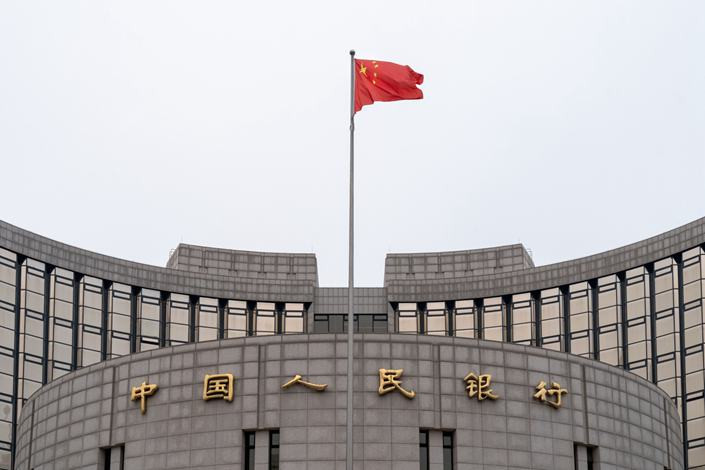
On May 7th, China's top financial regulators held a high-level press conference to unveil a sweeping set of financial measures aimed at stabilizing markets and restoring confidence. The People's Bank of China (PBOC), the National Financial Regulatory Administration (NFRA), and the China Securities Regulatory Commission (CSRC) jointly outlined what can only be described as one of the most comprehensive stimulus efforts in recent years.
Here's why global investors should pay close attention—and what it could mean for Chinese assets moving forward.
Liquidity Injection: RRR Cuts and Policy Rate Reductions
At the center of the package is the PBOC's decision to cut the reserve requirement ratio (RRR) for most financial institutions by 0.5 percentage points starting May 15. This move is expected to release around 1 trillion yuan (approx. $138 billion) in long-term liquidity. Additionally, the central bank lowered the 7-day reverse repo rate by 10 basis points (from 1.5% to 1.4%), and trimmed rates on key structural policy tools, including targeted re-lending facilities.
For markets, these cuts clearly signal that China is willing to double down on monetary easing—even as developed economies are still grappling with inflation. The more dovish stance stands in sharp contrast to the Fed and ECB, and could further widen the policy divergence between China and the West.
This isn't surprising—China's been in easing mode for a while, but the scale here shows urgency. With weak demand and external pressures (including new US tariffs), the PBOC is pulling out all the stops to keep credit flowing. The move may boost Chinese bonds and lower financing costs, making equities—especially rate-sensitive sectors like real estate and consumer discretionary—more attractive.
Real Estate Relief: Lower Housing Loan Rates
Another highlight: a 25 basis point cut to the interest rate on personal housing provident fund loans. The five-year rate on first-home mortgages will now stand at 2.6%. According to PBOC Governor Pan Gongsheng, this will save Chinese households over 20 billion yuan annually in interest payments.
China's real estate sector has been the Achilles' heel of its economy. While lower rates may not reverse the downturn overnight, they help stabilize the floor—especially if paired with future supply-side reforms. The property sector remains a drag, and these moves alone won't fully restore confidence without broader price stabilization or more developer support. However, signs of a bottoming in housing could breathe life into battered Chinese property stocks and REITs.
Capital Market Tools: Direct Support for Equities
In a more market-focused shift, the central bank also consolidated and expanded two key policy tools:
-
A securities lending facility allowing brokerages to swap stocks for central bank liquidity;
-
A stock buyback/shares purchase loan program supporting listed companies' equity purchases.
Combined, these tools now have an increased ceiling of 800 billion yuan. The message is clear: Beijing is committed to putting a floor under Chinese equities during periods of excessive pessimism.
According to Pan, usage of these tools spiked during periods of market stress, including after U.S. tariff shocks and the early April selloff. As of now, over 500 listed firms have tapped into related facilities.
This is China's playbook—state-backed buying to counter volatility. These act as circuit breakers in the event of another panic selloff, adding downside protection to China A-shares. While effective short-term (see the April rebound), structural issues like weak earnings remain unresolved.
Exchange Rate and Bond Market Stability
The yuan briefly weakened past 7.3 against the dollar but has since rebounded to around 7.2. Meanwhile, 10-year government bond yields remain stable at around 1.65%. The central bank emphasized that it will maintain orderly operations in the FX and bond markets, ensuring macro-financial stability even amid external headwinds.
Long-Term Themes: Tech, Aging, and Consumption
The PBOC also announced a series of targeted lending tools:
-
500 billion yuan for consumption and elderly care;
-
300 billion yuan increase for tech innovation and industrial upgrading (total now 800 billion yuan);
-
New risk-sharing mechanisms to support tech bonds, including partial guarantees.
These moves aim to funnel low-cost, long-term capital into China's strategic goals: tech self-sufficiency, domestic demand, and a more sustainable demographic future. This is bullish for sectors aligned with government priorities—AI, semiconductors, EV supply chains, healthcare, and elderly services.
Final Thoughts
Global investors have long been cautious about Chinese assets, largely due to concerns over government intervention and the lack of a truly free market system. For a time, these concerns kept capital on the sidelines. However, in late September 2024, Beijing began rolling out a wave of incentive policies aimed at reviving market confidence. These moves fueled a rally in Chinese equities, prompting a number of major international institutions to upgrade their outlooks and re-enter the China trade.
The excitement intensified further when the release of DeepSeek—a homegrown, cutting-edge AI foundation model—triggered a fresh wave of optimism and a broader revaluation of Chinese tech assets. For a brief moment, the narrative shifted: from skepticism to opportunity.
Then came the U.S. tariff shocks, reintroducing volatility and knocking the wind out of Chinese markets. Many Chinese assets slumped, while traditional hedges like gold spiked. Although parts of those tariffs have now been paused, the broader picture remains murky. Trade tensions between the U.S. and China are far from over. Add to that the ongoing geopolitical risks, from regional conflicts to growing protectionism elsewhere, and it's clear that uncertainty is the new normal.
So yes—this new policy package is encouraging. It's aggressive, coordinated, and shows that Chinese policymakers are willing to act. But markets don't just need policy support—they need sustainable earnings, investor trust, and clearer long-term visibility. Until then, expect Chinese assets to remain volatile, sentiment-driven, and deeply reactive to both domestic and international headlines. #china #bankofchina
#Global Macro Policy: Central Banks & Governments in Action#china#bankofchina