
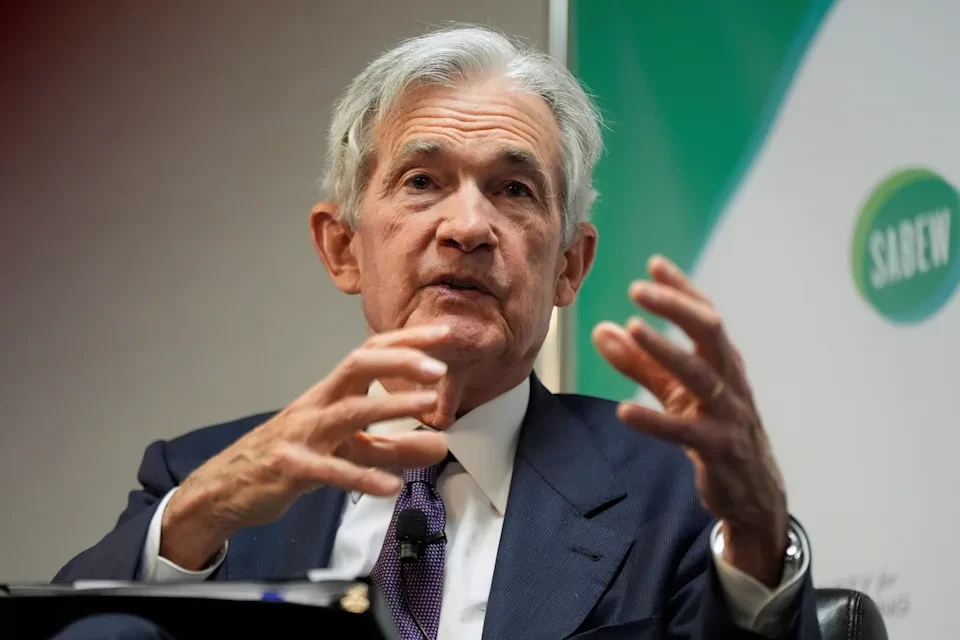
Powell's Speech: Market Catalyst or Calm Before the Storm?

Key Takeaway: All eyes are on Fed Chair Jerome Powell’s post-decision press conference at 2:30 AM Beijing time—his tone on inflation and trade fallout could make or break markets, and savvy option strategies may be investors’ best hedge against whatever volatility follows.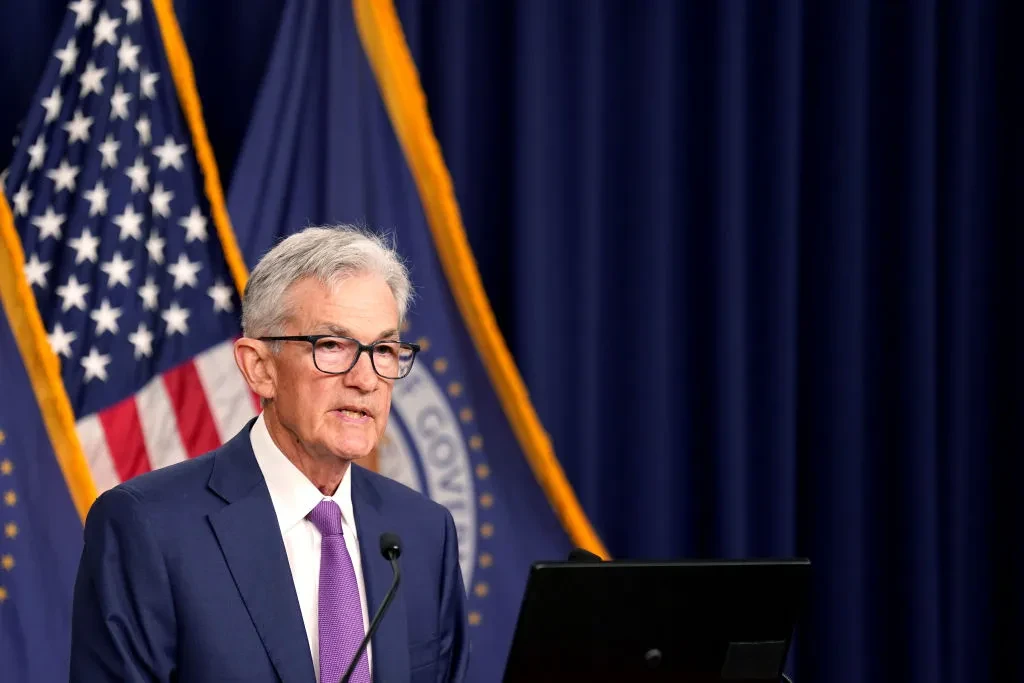
What Matters Most Right Now?
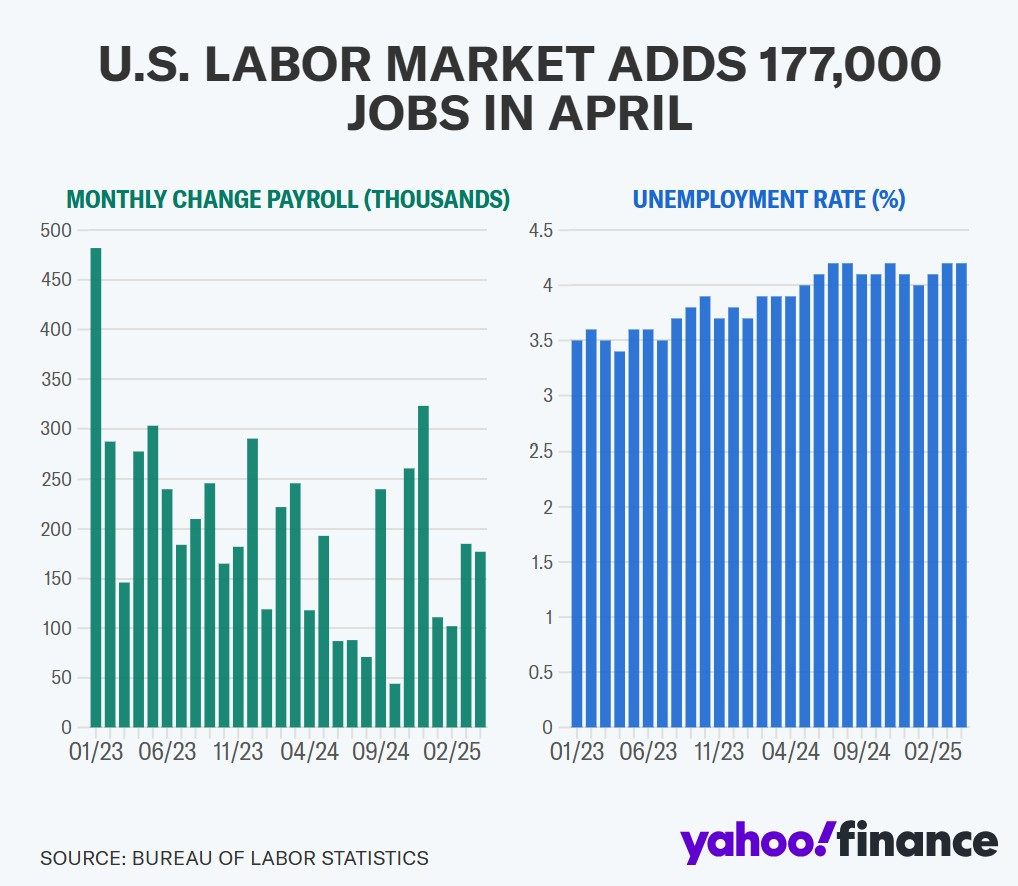
Fed watchers already know May’s rate decision: the Federal Open Market Committee will hold the federal funds rate at 4.25 %–4.50 %, virtually locking in no cut this week. With April’s nonfarm payrolls comfortably beating expectations, markets see no room to maneuver right now. But the real market mover won’t be the rate announcement itself—it will be Jerome Powell’s words minutes later. If he sounds dovish, equities might rally; a hawkish tone could send stocks—and option-implied volatility—higher.
Why Powell’s Tone Trumps the Rate Call?
- Dovish Hint = Stock Bounce?
- If Powell suggests he’s ready to cut or is unconcerned by trade-driven inflation, risk assets could rally on relief. Traders are already pricing in three cuts by year-end—any dovish slant may bring June into play.
- Hawkish Stance = Volatility Spike?
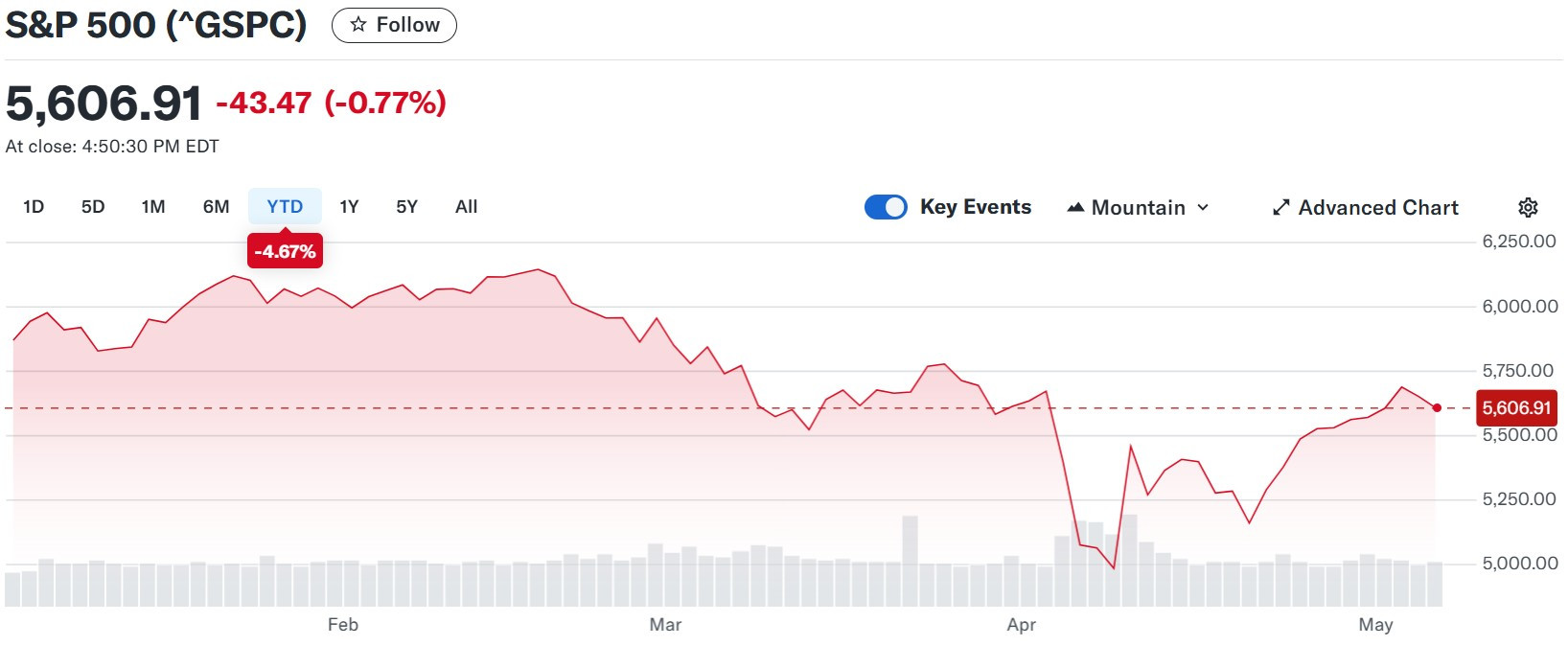
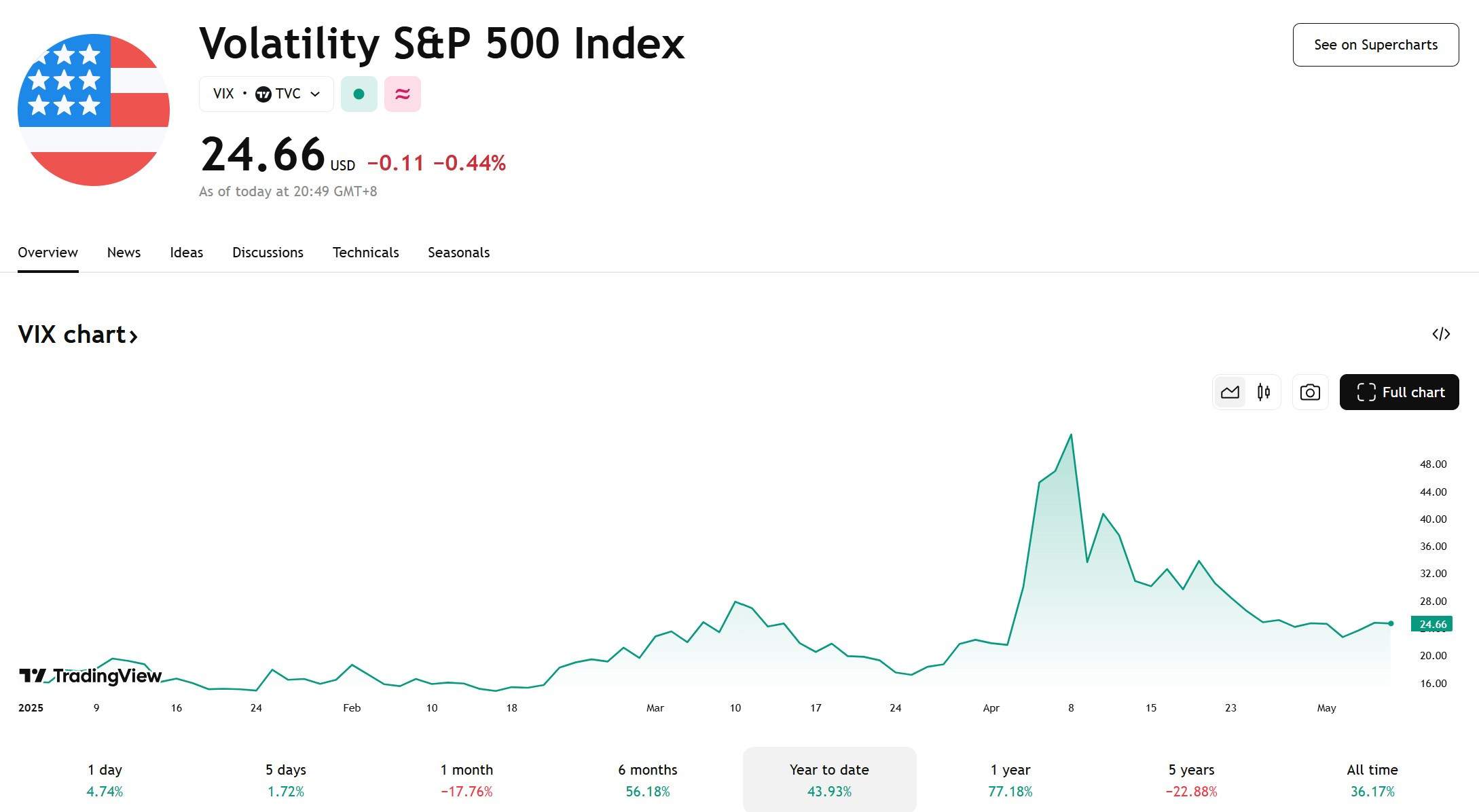
- Should he double‑down on fighting inflation—despite tariff risks—the S&P 500 might skid lower and VIX could surge back above 25. History shows Powell’s hawkish moments spark 2 %–3 % one‑day drops.
Can Trump’s Tweets Steal Powell’s Thunder?
President Trump has publicly sparred with Powell over tariffs and rate cuts—most recently calling him “too slow and wrong” on Truth Social. But with a recent truce as markets climbed, Trump may critique any softness in Powell’s language. Expect questions on Fed independence: Powell must balance diplomatic restraint with clear-eyed policy.
What the Data Tells Us?
- Inflation & Jobs Stay Firm
- Core PCE: +2.6 % YoY in March, tracking the Fed’s favorite gauge.
- Nonfarm Payrolls: +177,000 in April; unemployment steady.
- GDP Preview: Q1 contracted on net imports—Fed may tweak its description from “steady expansion” to “moderating growth.”
- Tariff Pressure Looms
- Tariff delays until July inject uncertainty. Powell will likely stress he needs hard data on price pressures before moving.
- Market Odds
- May hold at 97 % chance of no cut.
- Next cut now priced for July’s meeting (CME FedWatch).
Options Playbook: Riding the Twists and Turns
With implied volatility on S&P 500 ETF options down to 23.96 % and VIX at 24.41, option premiums are relatively cheap. Here are three strategies to profit—or protect—from whichever way Powell cuts:
- Straddle or Strangle
- Structure: Buy calls and puts at the same (straddle) or different (strangle) strikes with identical expiries—e.g., SPY 5650 call & put.
- Goal: Capture any outsized move, up or down.
- Risk: Requires a >2 % move in SPY to break even once premium costs are accounted for.
- Bear Put Spread
- Structure: Buy a put at a higher strike (e.g., 5700) and sell a lower‑strike put (e.g., 5500).
- Goal: Benefit from a mild downturn while capping premium outlay.
- Risk: Limited profit if the market plummets past the lower strike; theta decay if markets sit tight.
- Protective Puts
- Structure: Hold SPY and purchase slight out‑of‑the‑money puts (e.g., 5500 strike).
- Goal: Hedge downside risk from a hawkish surprise while retaining upside participation.
- Risk: Cost of put premium eats into small gains if markets quietly churn.
Looking Ahead: What Powell Might Reveal
- Inflation Watch: Will he underscore that one‑off price jumps aren’t lasting inflation?
- Tariff Assessment: Expect fresh language on how trade measures could “temporarily” lift prices—he may vow to wait for clarity before acting.
- Fed Independence: Brace for Powell to reject any notion of White House influence, even as Trump readies his post‑briefing critique.
Bottom Line
Tonight’s fireworks hinge not on the rate decision—already a done deal—but on Powell’s narrative. Option volatility trades can capitalize on whichever arrow he looses: a straddle for fireworks, a spread for a measured fall, or protective puts to guard long positions. As history shows, when Powell speaks, markets listen—and often react with a roar.
This content is provided for informational or educational purposes only and does not constitute investment advice.