
The biggest stock buyback wave in history is here! Is the darkest moment for US stocks over?

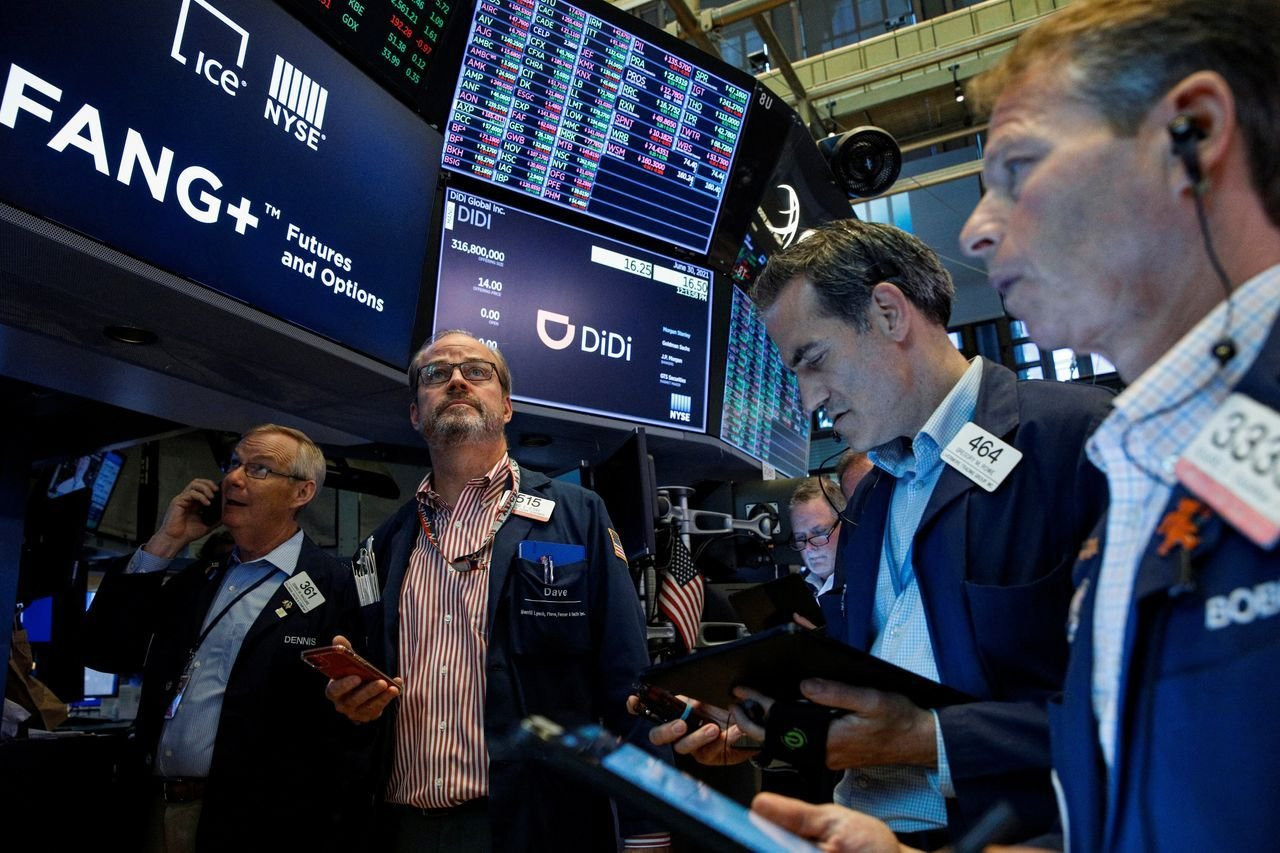
On May 7th, according to a report by the Financial Times, the latest data from Deutsche Bank shows that the total amount of share repurchase plans announced by US companies in the past three months has exceeded $518 billion, setting a new historical record.
Stock repurchase refers to a listed company using cash and other means to buy back a certain amount of its outstanding shares from the stock market. It is an important institutional arrangement for a company to send a positive signal and optimize its capital structure.
After the stock repurchase is completed, a listed company can cancel the repurchased stocks. By reducing the number of outstanding shares, it can increase earnings per share and thus drive up the stock price. In the US stock market, stock repurchases are also an important reason for the decade-long bull market in US stocks.
Since Trump implemented the corporate tax cut policy in 2017, which brought more cash to companies, stock repurchases have become increasingly popular. Data from S&P Global shows that the amount of share repurchases by S&P 500 companies last year set an annual record of $942.5 billion.
Looking at historical data, stock repurchases are highly synchronized with the trend of US stocks. Companies reduce the number of outstanding shares through repurchases, directly boosting earnings per share (EPS), forming a cycle of "improved earnings-increased repurchases-rising stock prices".
Financial and technology groups have been among the most active participants in share repurchases.
Apple said last week that it plans to increase its share repurchase scale by $100 billion. A few weeks ago, Google's parent company Alphabet announced that it would spend $70 billion on a similar plan. Wells Fargo said it plans to repurchase $40 billion worth of its shares, and Visa plans to additionally buy $30 billion worth of its shares. In contrast, energy giants, utilities, and materials groups have mostly remained on the sidelines.
Goldman Sachs predicts that the total share repurchase authorizations for 2025 will set a new record of $1.35 trillion.
Over the past two weeks, US stocks have rebounded sharply. Driven by the share repurchase news, the S&P 500 index set the best single-day winning streak record in 20 years last week. However, the market declined on Monday and Tuesday.
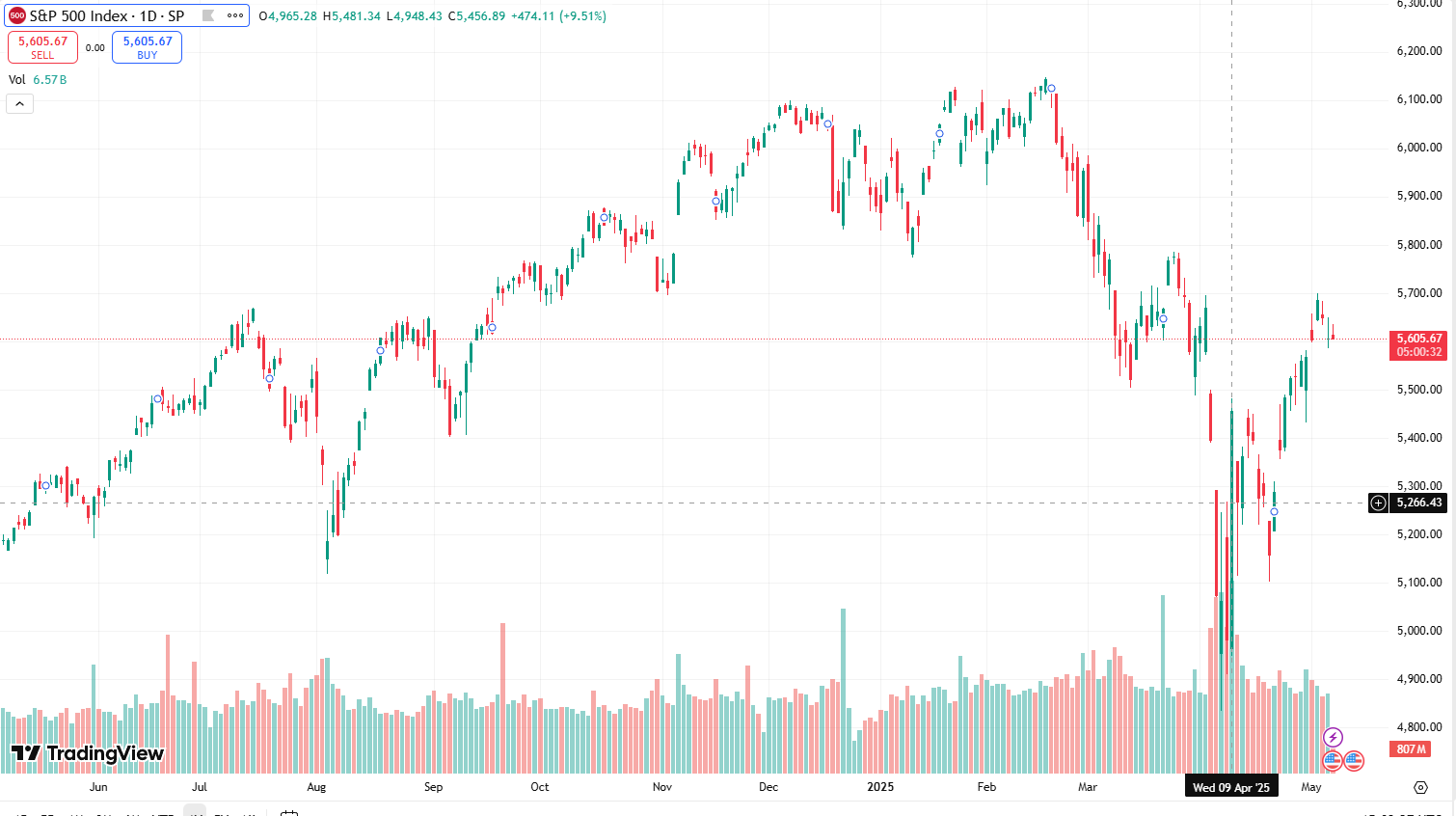
Goldman Sachs said that the recent sharp rebound in the stock market may just be a typical bear market rally. Since 1980, the average increase in bear market rallies is 14%, and this wave of rebound has increased by 18%, which may be approaching its limit. It warns that with uncertainty dominating the market, the upside potential of US stocks is limited.
Paul Tudor Jones, a legendary US investor and billionaire hedge fund manager, said on Tuesday that although the US stock market has recovered most of the ground lost during the historic sell-off in April, the market may be heading for new lows. Trade fluctuations and high interest rates are putting too much pressure on the market.
Wells Fargo said that given the continued economic pressure brought by trade policies, they would not be surprised if the S&P 500 index re-touches the lows triggered by the tariff-induced sell-off.
However, Mike Wilson, the chief US equity strategist at Morgan Stanley, pointed out in a report released on Monday that investors should not abandon the US stock market.
However, he recommends that investors be more inclined to large-cap stocks when selecting stocks, as large-cap stocks are generally more defensive than small-cap stocks.
In addition, he suggests that investors convert consumer staples stocks in their portfolios into healthcare stocks and give priority to industrial stocks over non-essential consumer goods stocks. He also emphasizes that investors should prefer high-quality companies with low debt levels, high operational efficiency, and stable earnings and profit margins.