
Powell Pushes Back on Trump Again: No Rush to Cut Rates Amid Tariff Uncertainty

Shearing sheep
May 8, 2025
GoGPT Summarizes Articles
In a strong rebuttal to renewed pressure from former President Donald Trump to slash interest rates, Federal Reserve Chair Jerome Powell made it clear: the Fed is in no hurry to ease monetary policy—especially not in response to the latest round of tariff hikes.
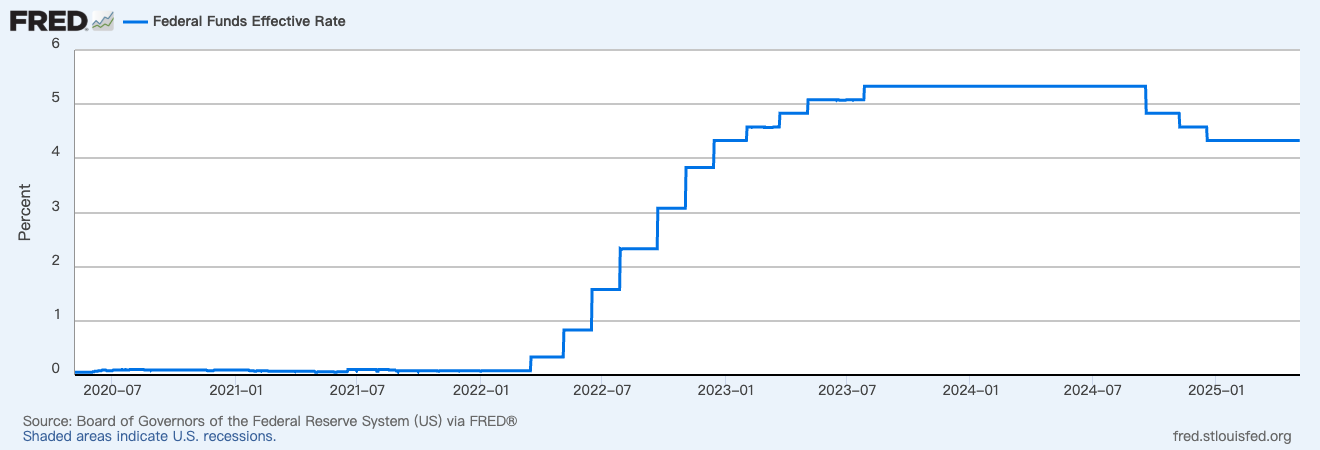
At the conclusion of its May 7 meeting, the Federal Open Market Committee (FOMC) voted to keep the federal funds rate steady in the target range of 4.25% to 4.5%, marking yet another pause as the Fed continues to monitor economic conditions.
Speaking after the meeting, Powell struck a cautious but firm tone. He emphasized that the U.S. economy remains solid, inflation is under control, and the central bank needs more data before making any moves. He warned that while the risks of both rising inflation and unemployment are increasing, it’s far too early to determine which poses the greater threat.
“We think it’s appropriate to be patient,” Powell said. “We will watch the data.”
A Clear Message: Tariffs Won’t Dictate Fed Policy
At the heart of Powell’s comments was a warning about the inflationary and growth risks posed by Trump’s latest tariffs. In early April, Trump announced a new round of aggressive tariffs under the banner of "reciprocity," targeting a wide range of imports. Powell acknowledged these tariffs could eventually raise prices and weaken labor markets, but he was adamant that the Fed won’t preemptively respond without clarity on their actual economic impact.
“If the large increases in tariffs that have been announced are sustained, they are likely to generate a rise in inflation, a slowdown in economic growth, and an increase in unemployment,” Powell stated. “The effects on inflation could be short-lived—reflecting a one-time shift in the price level. It is also possible that the inflationary effects could instead be more persistent.”
For now, the tariff shock “hasn’t arrived yet,” according to Powell, but the Fed remains on alert. He described the policy stance as “moderately restrictive” and reiterated that the inflation outlook remains favorable. As a result, the current wait-and-see approach is a “very clear decision.”
Trump’s Calls Fall Flat
This stance once again puts Powell on a collision course with Donald Trump, who has publicly called for immediate and deep rate cuts to boost growth and weaken the dollar. But Powell, true to form, made clear that political pressure won’t shape the Fed’s actions.
“We’re not influenced by political voices,” Powell said. “We use our tools to support maximum employment and price stability. That’s it.”
He also confirmed he has never sought—and never will seek—a meeting with any U.S. president, past or present. When asked about Trump’s earlier comments vowing not to fire him, Powell declined to engage.
Uncertainty the Dominant Theme
Perhaps the most telling part of Powell’s press conference was his repeated emphasis on uncertainty. Whether it’s trade policy, inflation dynamics, or GDP fluctuations due to pre-tariff import surges, Powell said the path forward remains “highly uncertain.”
Even on the possibility of a soft landing, Powell was blunt: “We don’t know how this will unfold.”
Interestingly, Powell also flagged that the U.S. GDP might be revised upward, partially due to a wave of front-loaded imports ahead of the new tariffs. However, he cautioned that such data can be misleading and may not accurately reflect underlying economic momentum.
Debt Warning, Again
On fiscal policy, Powell returned to a familiar refrain: U.S. government debt is on an unsustainable trajectory. While stopping short of giving advice to Congress, he warned that current debt growth patterns are not viable in the long term—a quiet but sharp contrast to Trump’s expansive spending policies and tax cuts.
“Debt itself isn’t at an unsustainable level,” Powell said. “But the path it’s on is not sustainable.”
Bottom Line: The Fed’s Still on the Sidelines
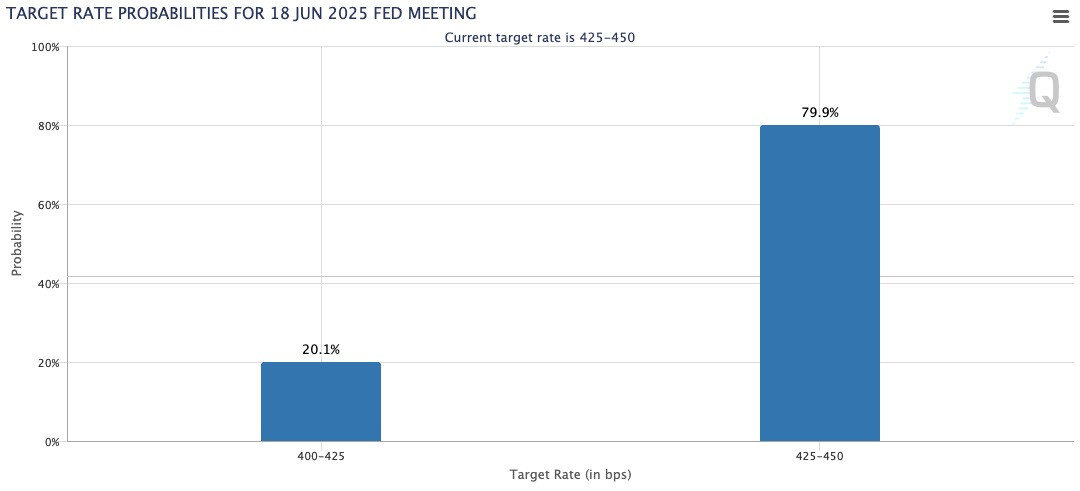
Markets hoping for a June rate cut will likely be disappointed. Powell’s message is clear: the bar for easing is high, and uncertainty—not politics—will drive the Fed’s thinking. For investors, this means watching the data as closely as Powell is: inflation prints, employment figures, and trade developments will all matter more than ever. #fedrate
#Global Macro Policy: Central Banks & Governments in Action#fedrate