
Nvidia’s CEO Jensen Huang Sounds the Alarm: $50 Billion AI Market at Stake if U.S. Shuts China Out

Jensen Huang is speaking up again—and this time, his words sound like a carefully aimed message to Washington.
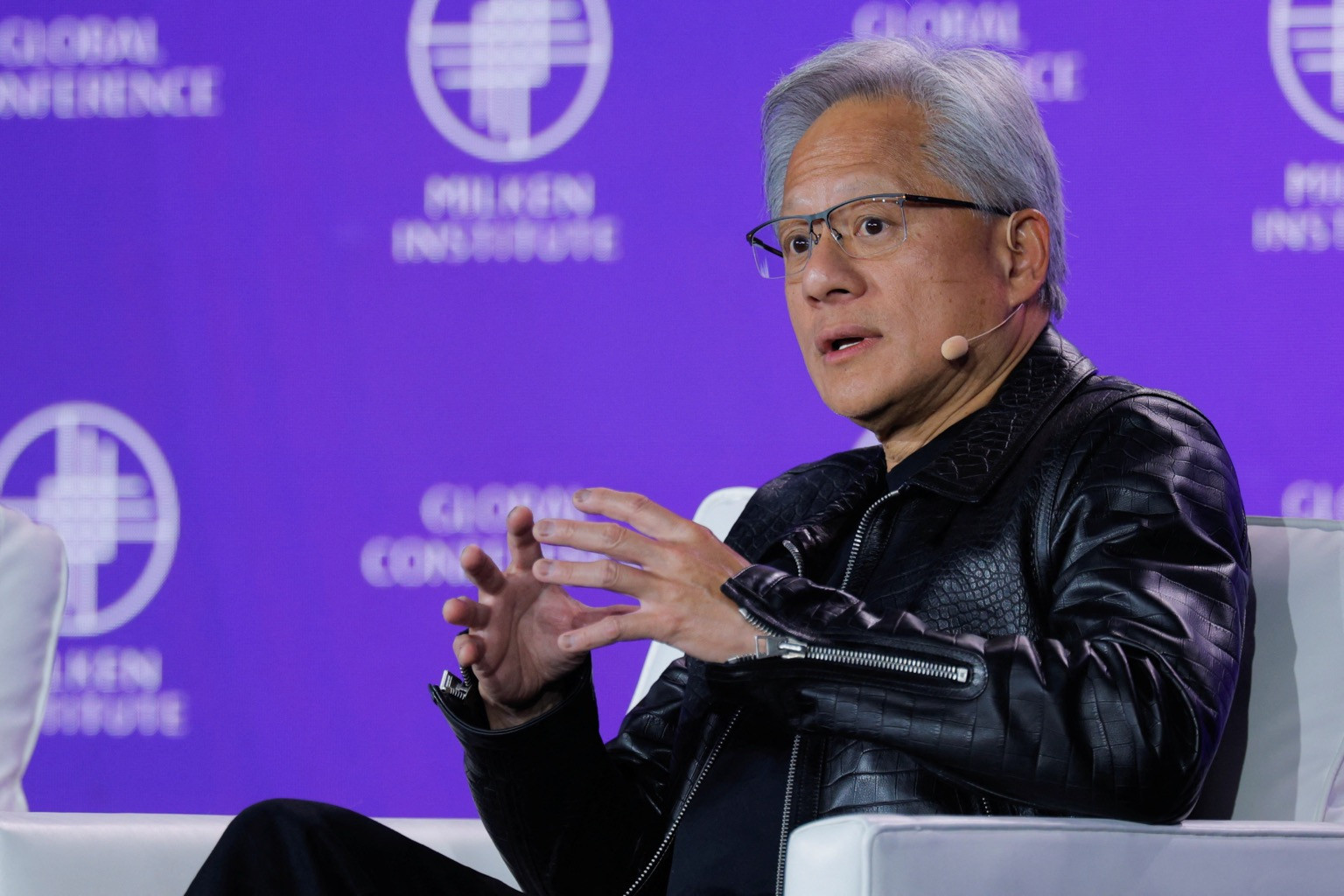
The $NVDA CEO recently predicted that China’s AI chip market could reach $50 billion in the coming years, warning that missing out would be a “tremendous loss.” But this wasn’t just a forecast for investors—it was a strategic appeal to U.S. policymakers. Huang stressed that allowing American companies access to the Chinese market would generate revenue, taxes, and jobs for the United States. In other words: this is about more than profit—it’s about national interest.
A Forecast? More Like Pressure
On the surface, it seemed like a typical CEO interview. But underneath, Huang was making a calculated move: applying public pressure to win regulatory flexibility for NVIDIA.
Despite U.S. export restrictions, NVIDIA has tried to adapt—developing China-specific chips like the H20 to comply with Washington’s rules. But last month, the U.S. Department of Commerce closed that loophole too, announcing that even downgraded AI chips like the H20 and AMD’s MI308 would now require special export licenses, with no expiration date in sight.
The cost of these policy shifts is real. Huang revealed NVIDIA expects to incur an additional $5.5 billion in expenses next quarter as a direct result—likely the clearest sign yet that geopolitics is beginning to weigh on NVIDIA’s historic growth.
To Huang, this isn’t just an unfortunate side effect. It’s a misstep with global consequences. Losing access to China’s AI boom wouldn’t just hurt NVIDIA—it would erode the U.S.’s competitive edge in the AI race.
Not Just Market Share—It’s About Talent
Huang has also been unusually candid in his praise of China’s AI capabilities. In recent public comments, he asserted that China is “not behind” in AI, and even called Huawei “one of the strongest tech companies in the world.”
But perhaps more telling was his emphasis on talent: nearly half of the world’s AI researchers, he noted, are Chinese. That’s a critical point—Huang isn’t just talking about market demand or chip sales. He’s pointing to the foundation of the AI revolution itself: human capital.
From Huang’s perspective, excluding China from the U.S. business orbit doesn’t halt China’s progress. It simply removes the chance for American companies to observe, learn from, and compete with a massive, high-caliber AI ecosystem. Cutting ties won’t stop the race; it just means running blind.
Will Washington Be the One to Break the NVIDIA Growth Story?
Over the past two years, NVIDIA has been a Wall Street darling. Its stock soared 240% in 2023 and nearly doubled again in early 2024. This surge was driven by sky-high expectations for AI—expectations NVIDIA helped define.
But those expectations depend on more than technology. They require global collaboration and open markets. With growing trade restrictions and chip bans, the very conditions that powered NVIDIA’s ascent are now at risk.
Even as analysts project 65% revenue growth for the upcoming quarter, that’s a significant slowdown from the 260% growth seen last year. The numbers still impress—but the momentum is cooling. And with China off the table, the ceiling may come sooner than expected.
When Huang repeats that “we must not miss out on China,” he’s not merely protecting market share—he’s defending valuation. NVIDIA’s stock isn’t just powered by AI—it’s also underwritten by the stability of U.S.-China economic ties.
It’s Not About Winning or Losing—It’s About Who Can Afford to Sit Out
Jensen Huang’s latest remarks carry more than business implications. As the global AI arms race accelerates, he’s warning that sidelining the world’s second-largest economy isn’t a viable strategy—it’s a risk.
This isn’t just about chips, markets, or quarterly earnings. It’s a battle of tech ecosystems, talent pools, and long-term vision. Export bans can delay a product cycle—but they can’t delay innovation forever.
So when Huang says missing China would be a “tremendous loss,” he’s not just speaking as a CEO. He’s sounding the alarm for America’s AI future.
Because in this game, it’s not about who wins or loses. It’s about who dares to be absent.