
Is Powell’s “Wait-and-See” Strategy Misplaced?

What’s the Bottom Line?
Federal Reserve Chair Jerome Powell’s latest press conference was defined by one word—“wait”—uttered 22 times to signal no imminent rate cut. In a global landscape where major central banks are easing, the Fed’s refusal to act promptly has drawn sharp criticism from President Trump, who branded Powell “Too Late.” This standoff raises urgent questions about whether the Fed’s caution will protect the U.S. economy from tariff‑induced inflation or instead deepen an emerging downturn.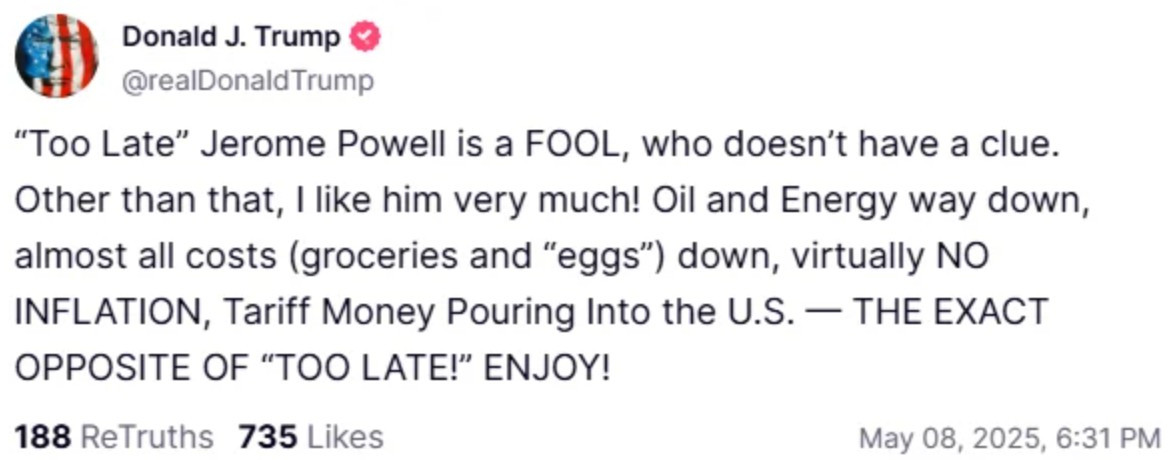
Why So Many “Waits”?
At Wednesday’s post‑meeting press conference, Powell used variants of “waiting” and “await” 22 times to stress the low cost of inaction. He argued that without clear signs of economic weakening, premature cuts risk stoking inflation—especially in a year when new U.S. tariffs could further push up prices. In his words, “We believe the cost of waiting and watching is quite low, and that’s what we’re doing.” By “waiting,” Powell means letting incoming data paint a clearer picture of growth, employment, and price pressures before adjusting rates.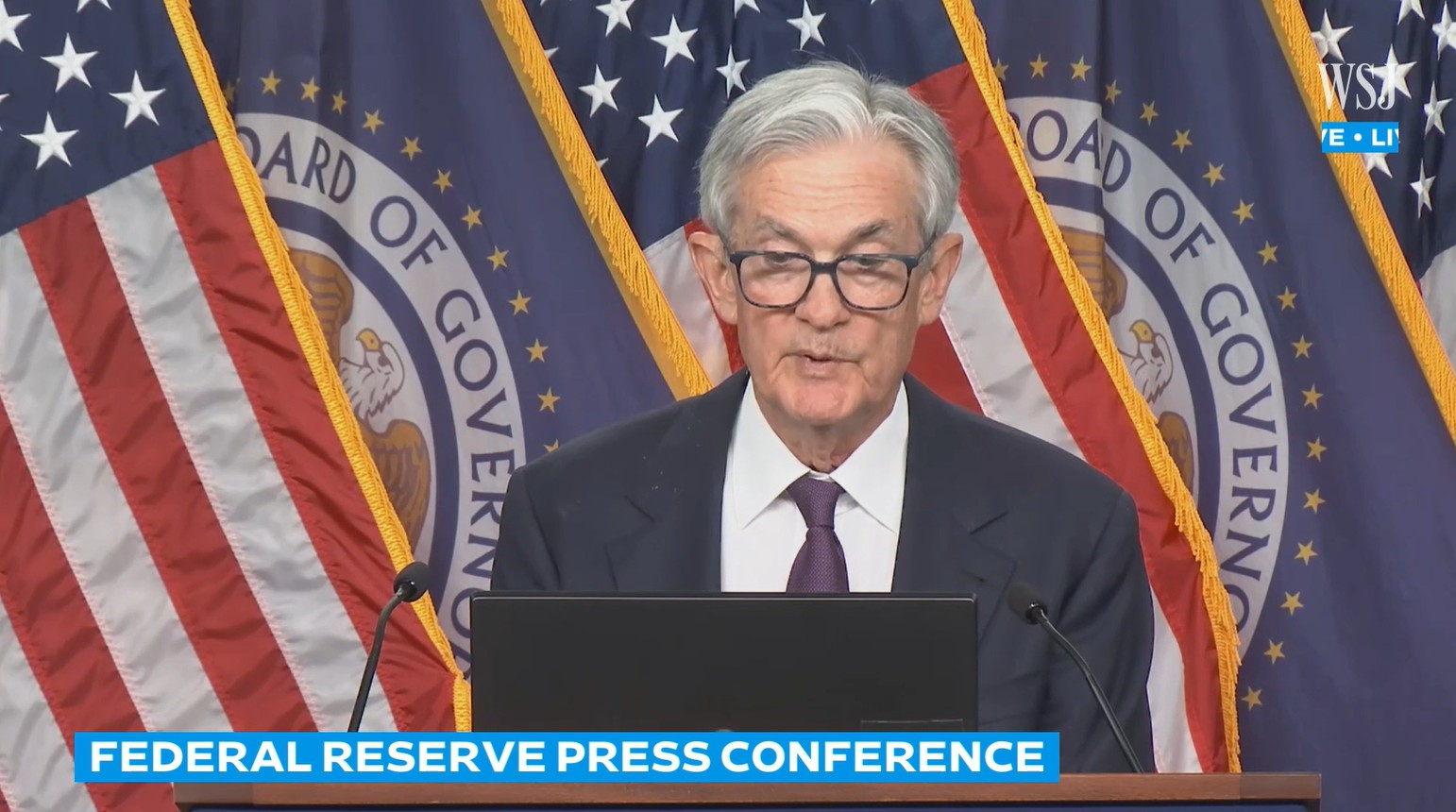
How Does the Fed Compare Globally?
Across the Atlantic, central banks are racing to ease. Since spring 2024, the European Central Bank has cut its deposit rate by 175 basis points in seven steps, and the Bank of England has trimmed rates three times from 5.0 percent to 4.5 percent, with another 25‑point cut widely expected. Those institutions face softer demand and cooling labor markets without the U.S.-style tariff drag on inflation, giving them more room to act. By contrast, the Fed—mindful of recent high inflation and fresh tariff hikes—is standing apart on a policy island.
Is Trump Right to Call Powell “Too Late”?
On Thursday, President Trump took to Truth Social to lash out:
“Mr. Too Late Powell is a fool who knows nothing. Meanwhile, oil and energy prices are plunging, almost every cost—groceries and eggs—are down, almost no inflation, and tariff money is pouring into the U.S. This is the exact opposite of his ‘too late’ narrative. Enjoy!”
Trump’s critique hinges on the view that tariff revenues and falling commodity costs should allow for rate cuts now, softening any pain from trade uncertainties. He has repeatedly urged Powell to act, even suggesting the Fed chair should be fired for “being behind the curve.” Yet the Fed insists it must see whether tariff‑induced price rises actually materialize before changing course.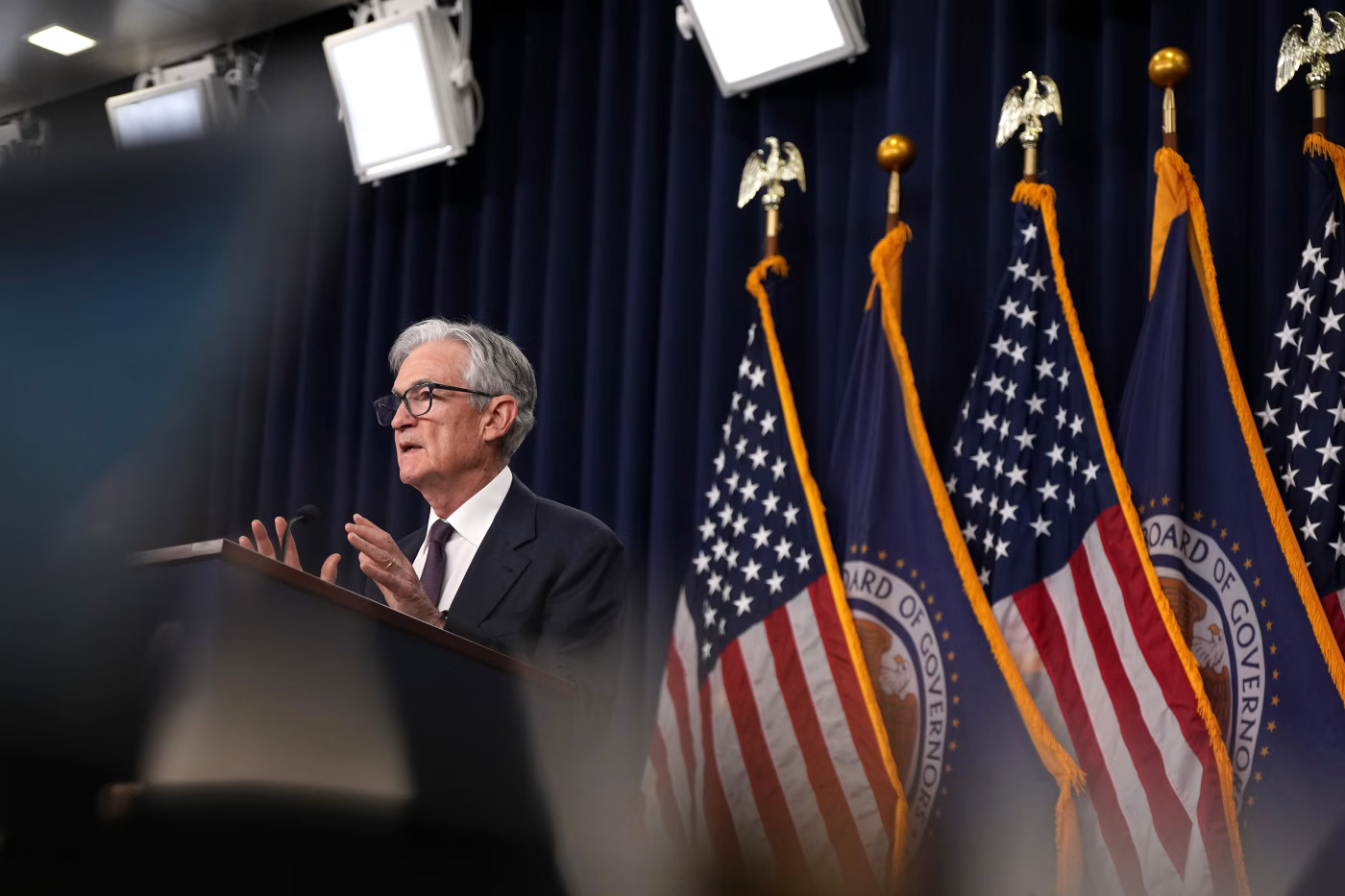
Could Waiting Become a Tighter Stance?
According to Charlie Ripley of Allianz Investment Management, “Patience is a virtue,” but “doing nothing” at high rates effectively tightens policy when data turns down. Last quarter, U.S. GDP shrank, business investment stalled, and manufacturing chiefs called for spending cuts. With tariffs both raising costs and clouding outlooks, maintaining 4.25–4.50 percent rates risks tipping a soft patch into a full-blown slowdown. If the Fed waits until a pronounced downturn, it may need deeper, more abrupt cuts later—potentially roiling markets.
What Lies Ahead for the Fed–EU Divide?
Economists at JPMorgan now forecast the Fed’s first cut in September, while Goldman Sachs sees three cuts starting in July. Meanwhile, ECB rate reductions may continue 25 bp per meeting through September, taking its main rate down to 1.5 percent. Although U.S. and euro‑area headline inflations remain close to 2 percent (2.3 percent in March U.S., 2.2 percent in April euro zone), diverging tariff impacts and labor trends suggest opposite trajectories ahead. Goldman’s Jan Hatzius warns that increased Chinese exports to Europe—spurred by U.S. tariffs on China—could shave 0.5 percentage points off euro‑area core inflation, further emboldening ECB hawks to ease.
Inverted Pyramid Takeaway:
- Top: Fed won’t rush rate cuts—Powell “waited” 22 times.
- Next: Global peers are easing; U.S. tariffs complicate Fed’s inflation outlook.
- Middle: Trump derides Powell as “Too Late,” urging immediate cuts.
- Bottom: High rates risk choking off growth; Fed–ECB divergence set to widen.
With the Fed’s “wait‑and‑see” stance under fire from the White House and markets alike, the critical question is whether measured patience will pay off or simply delay the policy pivots needed to cushion tariff‑driven headwinds. As data rolls in this summer, every employment report and price index will be scrutinized—because when it comes to rates, timing is everything.
This content is provided for informational or educational purposes only and does not constitute investment advice.