
New Pope from the U.S. Takes Over as Francis Steps Down, Shifting the Church’s Future

If there’s one country that’s small in size but massive in presence, it’s the Vatican. With only about 800 citizens, this tiny state once again finds itself in the global spotlight.
On April 21, 2025—during Easter—Pope Francis passed away at the age of 88. He was the first pope from Latin America and a powerful symbol of reform. On 8 May, history took a new turn: Robert Prevost, a cardinal from Chicago, was elected the 267th pope and took the name Leo XIV.
This marks the first time an American has ever become pope. Donald Trump quickly offered his congratulations, calling it a “tremendous honor” and saying he looked forward to meeting the new pontiff.
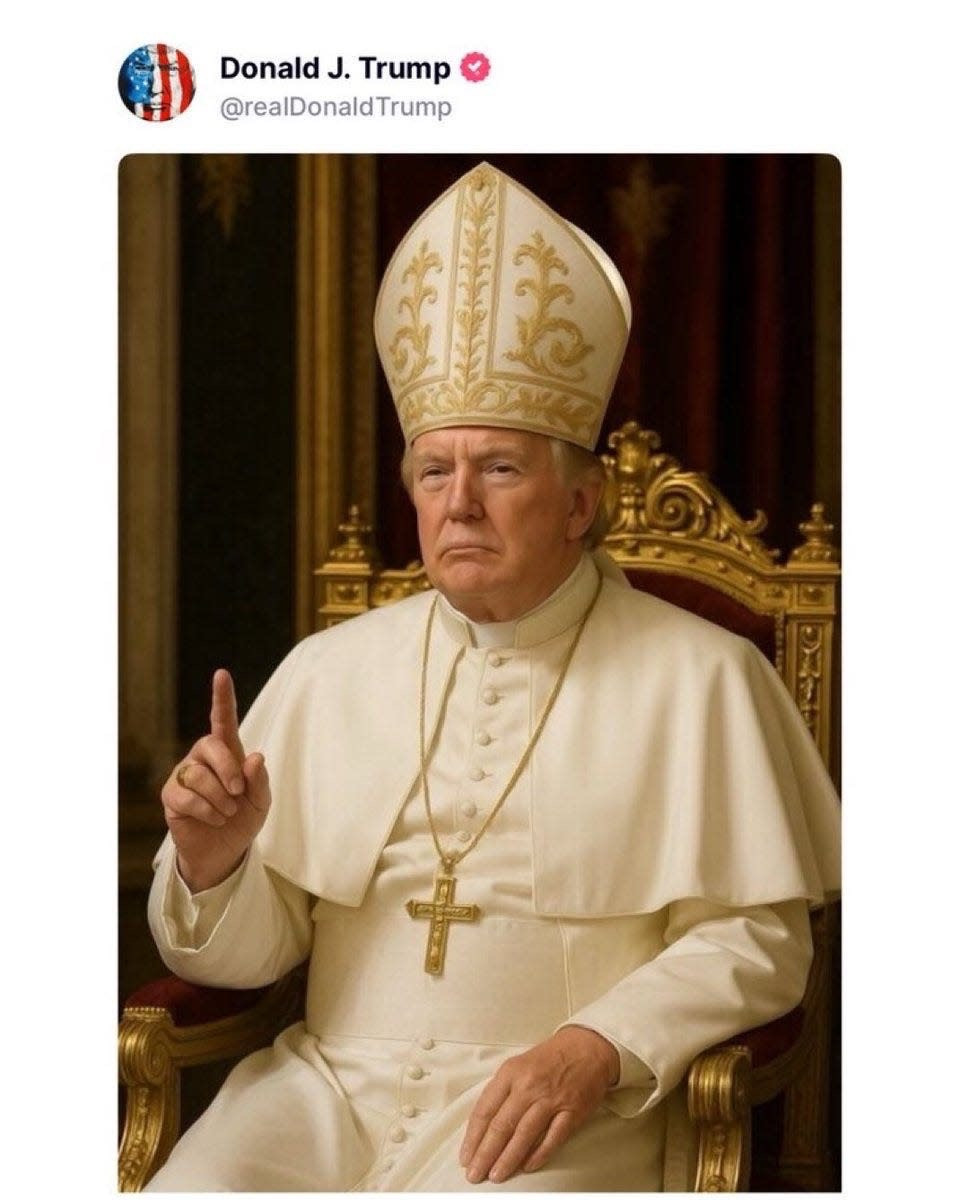
But the moment came with baggage. Just days earlier, Trump had posted an AI-generated image of himself dressed in papal robes—an act that many Catholics around the world found deeply offensive, accusing him of mocking sacred tradition and turning faith into spectacle.
Francis Was More Than a Pope, He Was a Message
Pope Francis wasn’t just a religious figure—he was a symbol of a different kind of leadership. He rejected the trappings of power: no golden throne, no jewel-covered shoes, no lofty rhetoric. He simply called himself “a priest.” He rode the subway, washed the feet of the poor, and made humility a core part of his papacy.
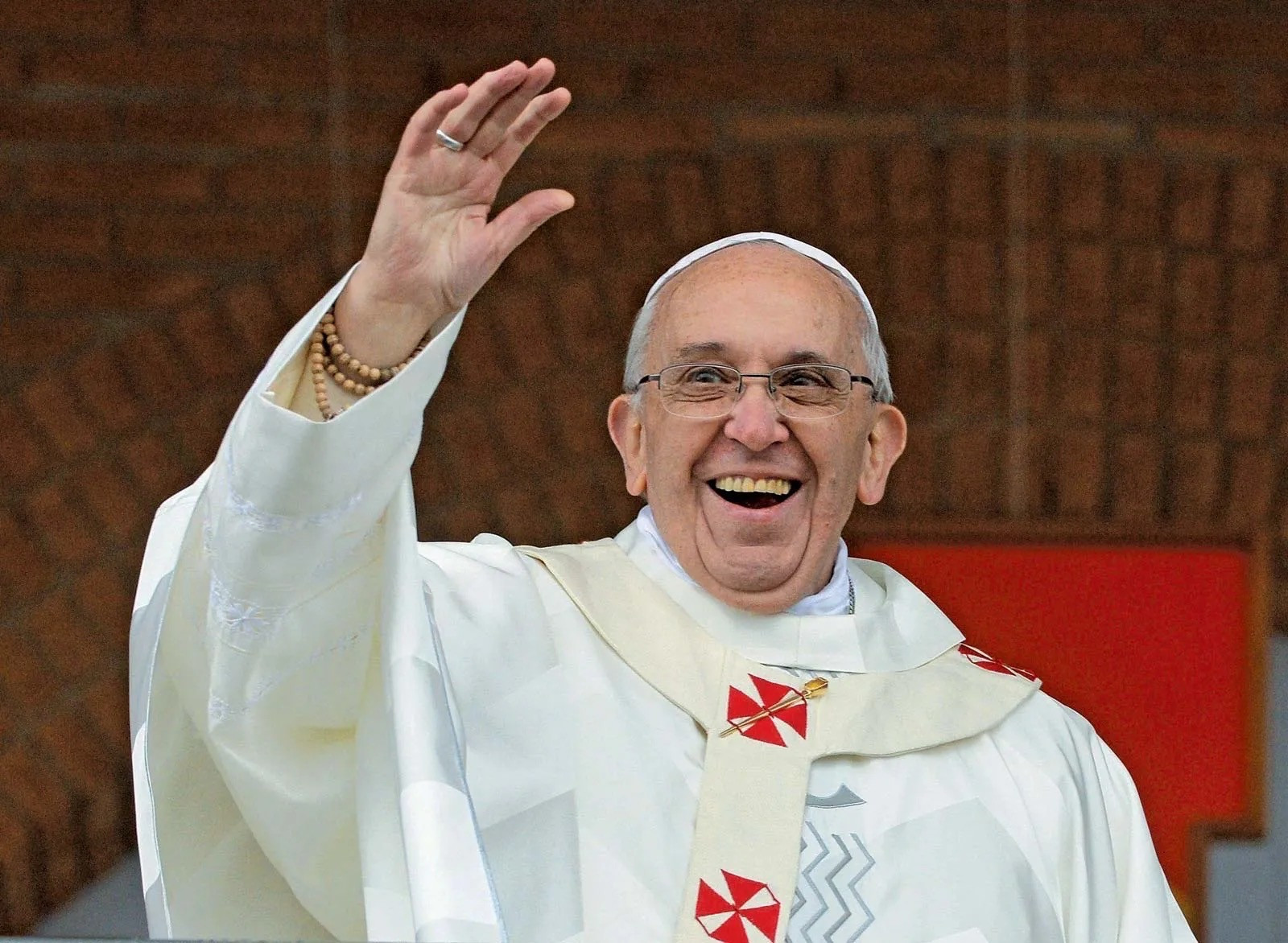
Coming from the slums of Argentina, Francis was seen as a pope of the people—a reformer who spent over a decade trying to tear down old hierarchies and build new bridges. His death leaves more than sadness; it leaves uncertainty. For millions, especially in Latin America and Africa, he was more than a religious leader—he was a symbol of inclusion, someone who made them feel seen. Now that he’s gone, the Church faces big questions about where to go next.
The First American Pope Raises Hopes and Doubts
Leo XIV, formerly Cardinal Prevost, is a Chicago native who spent years as a missionary in Peru and later served as head of the Vatican’s bishops’ office. He understands both institutional politics and grassroots realities. Vatican insiders hope he can act as a bridge between the Church’s conservative and progressive camps—but bridges, by nature, are built over deep divides.
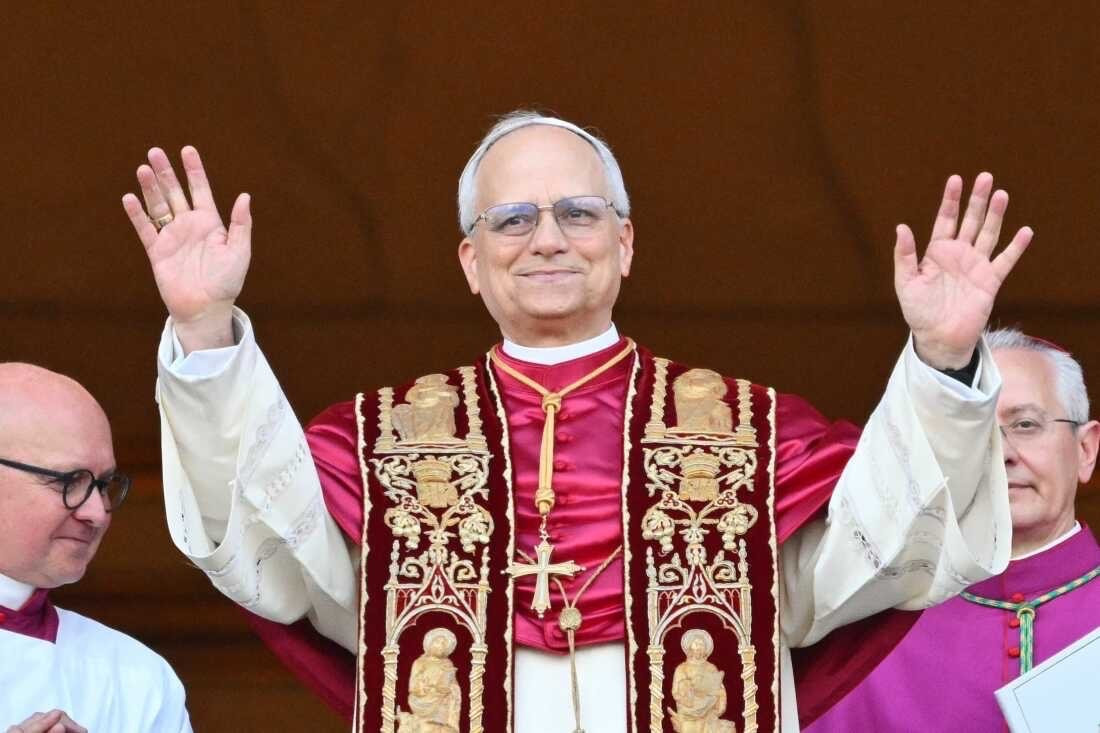
Many observers believe he may align with Trump-era conservatives on issues like abortion and traditional values. But on topics like immigration, social justice, and gender identity, sharp disagreements are likely. The bigger question is whether this American pope will continue Francis’s reformist agenda or steer the Church back toward a more cautious and pragmatic path.
The Church Is Not Just About Prayer and Ritual
It may be hard to grasp from the outside, but changes in the Vatican can ripple far beyond the walls of St. Peter’s. The papacy isn’t just spiritual—it’s political. Francis himself played a behind-the-scenes role in the 2014 thaw in US-Cuba relations, using his Latin American background to help broker dialogue. During the war in Ukraine, he remained one of the few global figures who could still speak with both sides.
Thanks to its neutrality and moral authority, the Vatican often serves as a kind of last-resort mediator. And with global diplomacy becoming more fractured, that role is only becoming more important.
Francis Took on the Vatican’s Black Box of Finances
One of Francis’s most controversial legacies was his effort to reform the Vatican’s notoriously opaque financial system. He launched audits, dismissed officials, and tried to cut off deep-rooted money networks. For the first time in decades, the Church’s financial machinery was pulled into the light.
But now that he’s gone, that mission faces a real test. Will Leo XIV continue to clean house—or will things slowly return to a vague balance of Church and business as usual? This isn’t just about internal bookkeeping—the Vatican Bank oversees billions in religious and private European funds, and its moves can sway global capital.
Francis Took Ethics Into the AI Age
There’s another side of Francis’s papacy that rarely gets attention: his leadership in tech ethics. He was the first pope to seriously engage with the moral challenges of artificial intelligence. He launched the Rome Call for AI Ethics, bringing together IBM, Microsoft, the UN Food and Agriculture Organization, and the Pontifical Academy for Life to establish guiding principles for AI development.
His core belief was simple but powerful: technology must serve humanity, not the other way around. He spoke not as a tech CEO or a politician, but as a moral voice—one free from corporate interests or national agendas. Now that he’s gone, who will take up that role? Who else can stand on neutral ground and tell the tech world when to stop?
What Happens to Faith When Its Leader Is Gone
Francis once said, “You must do justice in the smallest things.” That was the core of his mission—fighting corruption, rejecting privilege, and challenging the Church to change from within. He often wasn’t speaking to believers, but to the Vatican itself.
He died on Easter Sunday. His final written prayer, left unspoken, was this: “May the risen Christ grant peace to Ukraine.” Many saw it as a final act of grace, a quiet reminder of the world he cared about.
Now Francis is gone, and Leo XIV has arrived. The throne has passed on, but whether the soul of the Church will follow its former path is still unclear. It all depends on whether the new pope can truly hear what his predecessor was trying to say.