
What’s Driving Wall Street’s Bullish Stance on Google Despite Antitrust and AI Headwinds?

Google’s Growth Story Isn’t Over Yet
Despite mounting regulatory pressure and intensifying AI competition, analysts at Citi, Morgan Stanley, and JPMorgan remain unwavering in their optimism about Alphabet’s future. Citigroup recently reaffirmed its ‘Buy’ rating on Google ($GOOGL ) with a $200 price target, while Morgan Stanley set its target at $185—both implying an upside of 22%–32% from current levels. Why do they still see so much promise in the search giant?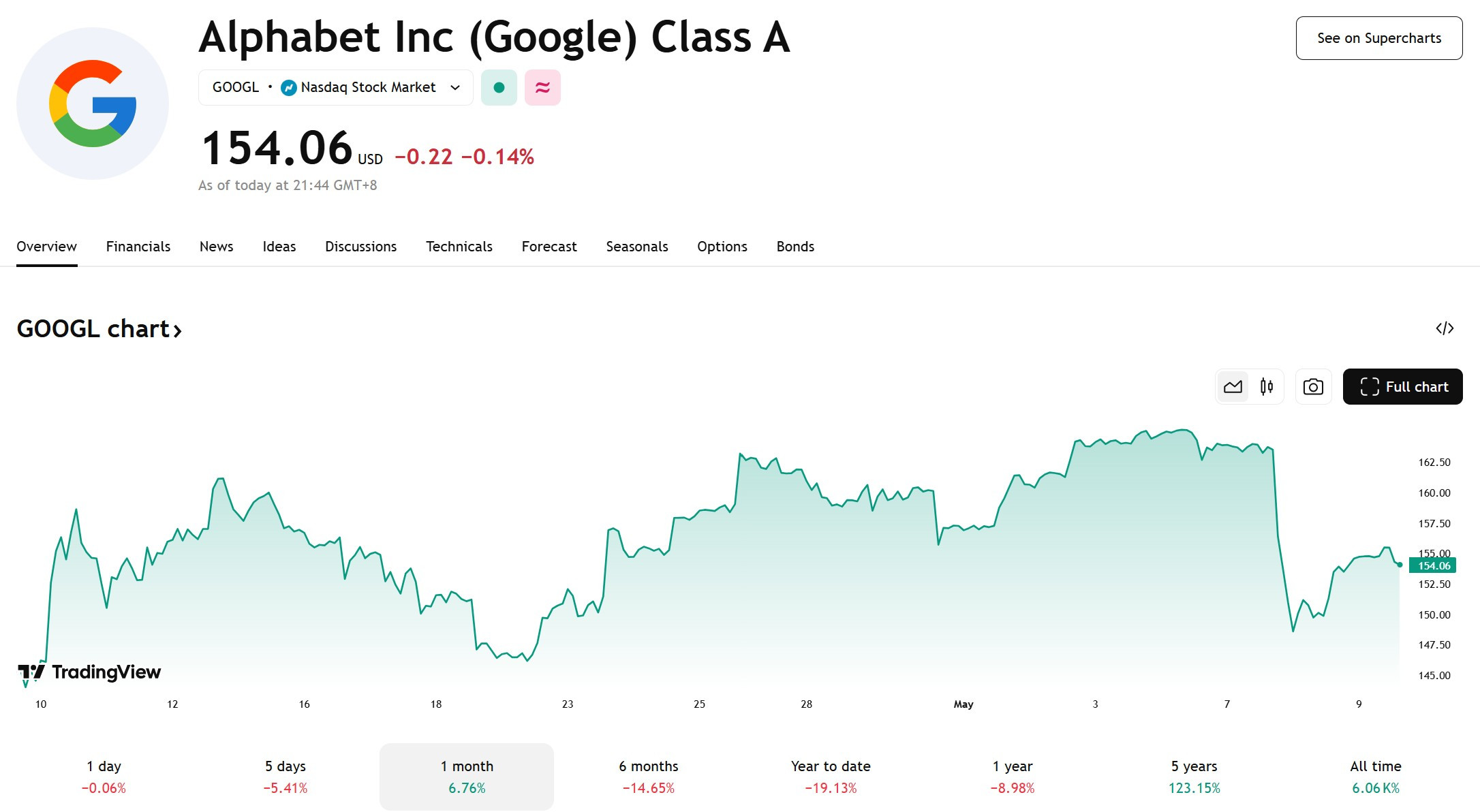
Big Ecosystem, Bigger Moat
$GOOGL ’s unparalleled product ecosystem sits at the heart of every bull case. Citigroup highlights that Google boasts 15 apps with over half a billion monthly active users—and seven of those exceed two billion. From Search and Maps to Gmail, YouTube, and Android itself, these touchpoints create a virtuous cycle: more users fuel better data; better data powers stronger AI; stronger AI drives more users. That network effect makes it tough for rivals to steal meaningful share.
Prompt Growth in Search Ads?
Even with chatter about ChatGPT and other AI challengers, search-advertising revenue continues to climb. Wall Street estimates that Google’s Q1–Q4 2025 revenues will grow sequentially to $33.1B, $34.7B, $36.1B, and $37.5B, with EPS of $2.81, $2.14, $2.21, and $2.43 respectively. For full-year 2026, analysts see revenue climbing about 9% year-over‑year and GAAP EPS of $10.11, translating into a 20x P/E multiple (Citigroup’s basis for the $200 price target).
Is AI Really a Threat or an Opportunity?
$AAPL ’s recent revelation that $GOOGL search volume on Safari dipped in April has fueled fears. Senior VP Eddy Cue noted that AI providers like OpenAI’s ChatGPT (with 500M weekly active users and 20M paid subscribers) are siphoning traffic, marking the first drop on Safari in two decades. But is that reason enough to panic?
JPMorgan’s Harlan Sur and Jefferies’ Brent Thill think not. They argue Apple has an incentive to highlight competitive tension—after all, Google pays Apple $20B annually to remain Safari’s default engine. Spotlighting AI challengers helps Apple’s defense in the DOJ’s antitrust lawsuit against Google by showing a “competitive search landscape.” Meanwhile, Google insists overall query growth remains intact—even on Apple devices.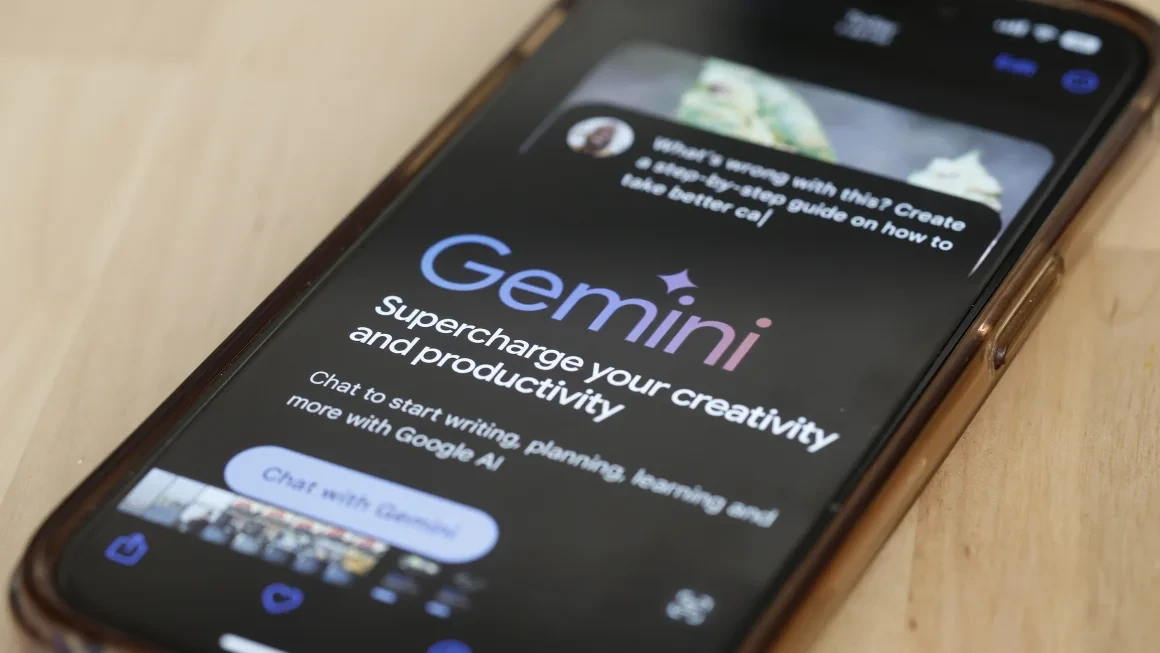
TD Cowen’s Perspective: AI Overview’s Revenue Parity
TD Cowen analyst John Blackledge points out that Google’s new AI Overview feature—summaries powered by its Gemini model—now has 1.5B monthly users across 140 countries. Remarkably, AI Overview searches generate the same ad revenue as traditional searches, suggesting that AI enhancements could bolster rather than cannibalize Google’s core advertising engine.
How Bad Are the Antitrust Clouds?
Regulators in both the U.S. and Europe are turning up the heat. U.S. courts have already ruled that Google wields unlawful monopoly power in search, requiring business adjustments. The DOJ lawsuit, the EU’s digital markets act, and probes into ad-tech and data privacy all pose risks. A remedy could force Google to open up default settings on devices or change ad-auction mechanics—perhaps denting its revenue.
But Consider the Upside, Too
Analysts argue these legal battles are priced in. Morgan Stanley notes Google’s forward P/E of 15x sits near 2022’s trough valuations. If Google can navigate antitrust headwinds without derailing growth, a rerating could send shares higher. Plus, AI investments like Gemini 2.5 and expanded AI Mode not only enrich user experience but potentially unlock new ad and cloud opportunities.
What Could Go Wrong?
Despite the bullish thesis, risks abound. Apple might integrate alternative AI engines into Safari defaults—if not as primary, then as options. Emerging rivals like Perplexity, You.com, and even Microsoft’s Copilot seek to carve niches in AI search. Macroeconomic jitters could also prompt advertisers to trim budgets, denting Google’s top line. And any misstep in AI ethics—biassed outputs, privacy misuses—could invite reputational and regulatory backlash.
Can Google Keep Innovating?
It’s no secret that woke up the tech world when ChatGPT hit 2022. Since then, Big Tech has sprinted to catch up in AI. Google has responded with its Gemini family and deep integrations across Search, Ads, Cloud, and Workspace. The question is execution: can Alphabet turn AI breakthroughs into profitable, scalable offerings before rivals gain traction?
The Bottom Line: A Calculated Bet
Despite antitrust scrutiny, search-share erosion in Safari, and AI-fueled competition, Wall Street’s top banks still see Google as a buy. They’re banking on an unassailable ecosystem, steady ad-revenue growth, and game-changing AI innovation to deliver double-digit upside. But this is no risk-free trade: investors must watch regulatory developments, competitive moves by Apple and OpenAI, and macro trends closely. In the high-stakes convergence of digital advertising and artificial intelligence, Google seems poised to lead—but not without challenges.
This content is provided for informational or educational purposes only and does not constitute investment advice.