
UK Cuts Rates as Trump’s Tariffs Reshape Global Trade and Britain Moves First

The Bank of England (BOE) cut interest rates again this week, lowering the benchmark rate from 4.5% to 4.25%. This marks the third rate cut since August of last year, driven not only by the UK’s sluggish economy but also by rapidly changing external circumstances.
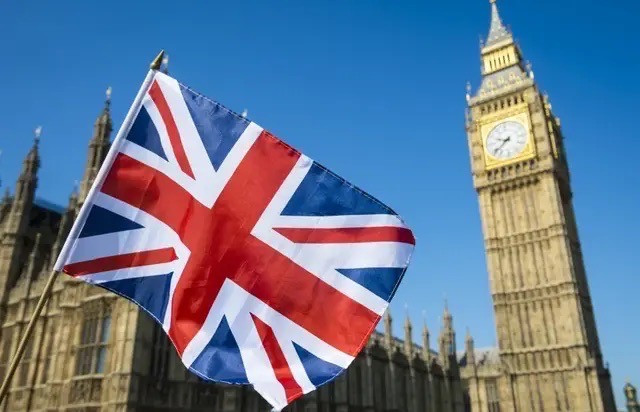
Just hours earlier, the Trump administration announced that it had reached a new trade deal with the UK, making it the first developed economy to finalize tariff arrangements while others are still negotiating with the U.S.
These two developments are no coincidence.
Why Does the UK Need to Cut Rates?
Although the UK’s CPI for March stood at 2.6%, still above the central bank’s 2% target, inflationary pressure has noticeably slowed. With continued weak consumption and investment data, the BOE sees room for further easing to support growth.
The vote on the decision also revealed some division: 5 members supported the rate cut, 2 favored keeping rates unchanged, and another 2 backed a larger, 50-basis-point reduction. The central bank emphasized in its statement that future policy decisions will be highly data-dependent and flexible.
In an era of increasingly flexible global economic policies, such statements are becoming more common. But in the UK’s context, it signals an underlying uncertainty: the rate cut is more about stabilizing the economy than expressing full confidence.
What Makes the Trade Deal with Trump Different?
The bigger change lies on the international stage.
With the Trump administration initiating a new round of tariffs on major economies like China, the EU, Japan, and Mexico, all of them face fresh negotiation pressures. However, the UK has “taken the lead,” reaching a trade agreement with the U.S. that involves a reduction and adjustment of tariffs on certain bilateral goods.
This is significant in the current global economic context: on one hand, it opens up realistic export opportunities for the UK post-Brexit; on the other, it sends a signal that the UK is willing to prioritize economic ties with the U.S.
This isn’t about “returning to traditional allies,” but rather a pragmatic economic alignment.
How Does This Impact Monetary Policy?
With inflation cooling, if the trade environment continues to improve, it means lower input price pressures, thus creating more room for the BOE to ease policy further.
At the same time, the UK is betting that by maintaining stability with a large buyer like the U.S., it can protect its economy from global slowdowns and continue to grow independently, even if other regions are struggling.
However, risks remain. If trade talks with other countries falter and the tariff war escalates, the UK’s “early deal” could become awkward. It may be seen as undermining a unified front and might face greater economic fallout.
What’s Next?
The UK is currently taking an unconventional path: continuing to cut rates while other central banks largely remain on pause, and reaching an agreement with the U.S. while trade tensions remain unresolved elsewhere.
The advantage of this strategy is gaining the initiative and avoiding deeper confrontations. But the challenges are clear: the UK still faces internal growth issues, and external uncertainties remain high.
From a monetary policy perspective, this rate cut seems more like a response to the present realities than an optimistic outlook.