
Is Apple Undermining Its “Biggest Client” in China?

$AAPL ’s relationship with China has been a cornerstone of its success for years. Yet, beneath the glossy veneer of “Designed by Apple in California, Assembled in China,” a growing tension threatens the tech giant’s delicate ecosystem.
What Happens When the Customer Becomes the Kingmaker?
At over $646 billion in revenue from China in 2024—equivalent to nearly one China Telecom or three Kweichow Moutai—China is not merely a marketplace for Apple; it is its most powerful customer. Chinese consumers, with their passion for premium devices, have fueled $AAPL ’s profit margins—$AAPL captured 80 percent of the global smartphone industry’s profits last year on just 18 percent of shipments. Yet, as trade tensions simmer, Apple shows signs of treating China less like a valued partner and more like a supplier to be reshaped at will.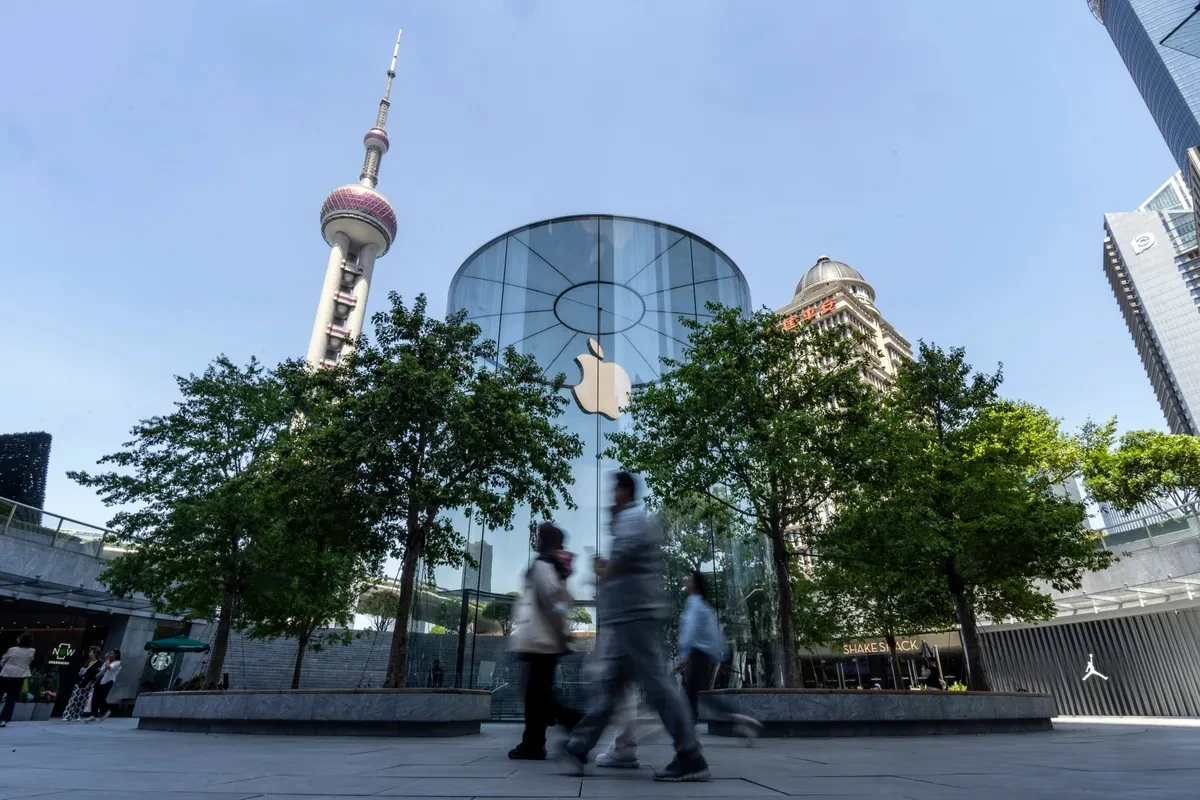
Why Is Apple Shifting Production Away from China?
Apple’s dual strategy of “sweating” existing suppliers while nurturing secondary and tertiary alternatives has ensured its bargaining dominance—but also laid the groundwork for its own vulnerability. In 2024, Chinese components accounted for only 2 percent of an iPhone’s bill-of-material costs, down from 98 percent of assembly in 2021. India and Southeast Asia now host nearly 15 percent of iPhone assembly, with plans to hit 25 percent by 2025. This strategic diversification buffers Apple against geopolitical risk—but at what cost to its Chinese partners?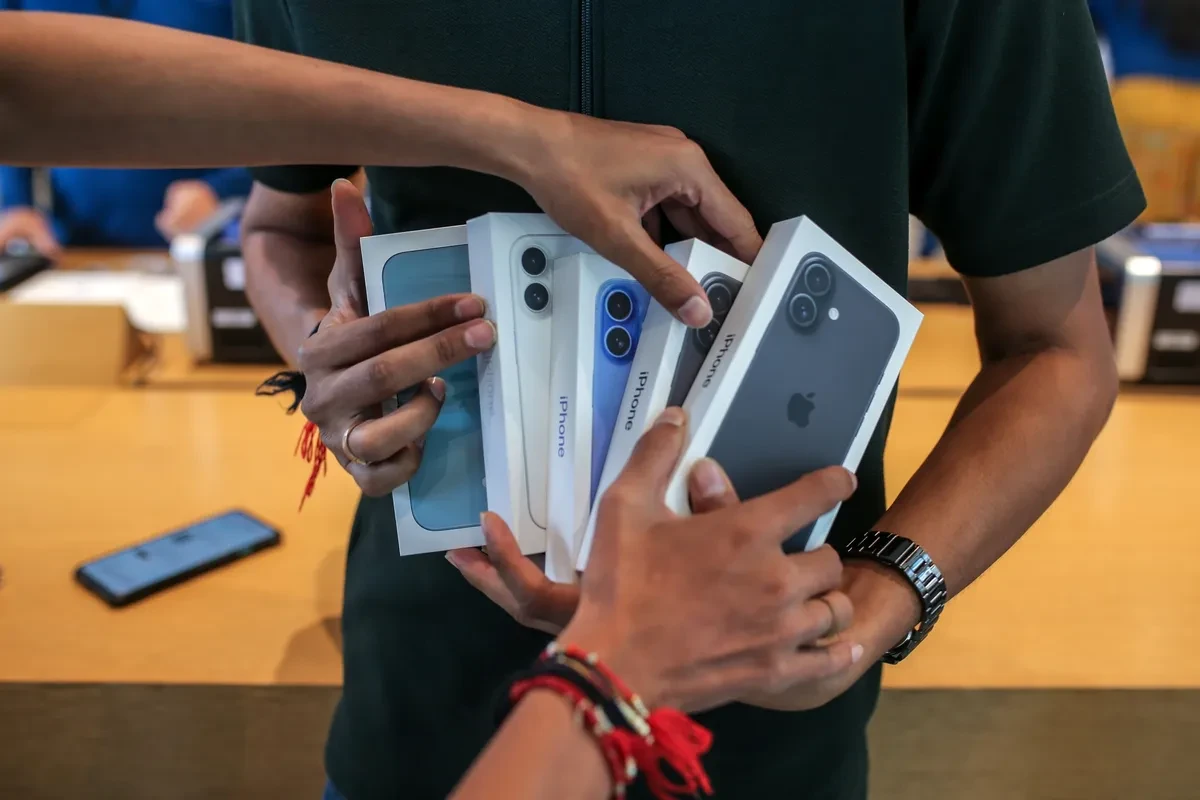
How Are Chinese Suppliers Coping with Apple’s “Wolf-Raising”?
Apple’s “wolf‑raising” approach has pressured China’s electronics champions into heavy capex on Apple‑designated equipment, only to have their profits slashed when Apple shifts orders overseas. Luxshare‑ICT and GoerTek have followed Foxconn to Vietnam; Tata’s takeover of Wistron in India shows that local assemblers are eager to dethrone the once-unquestioned Chinese tier‑1s. Meanwhile, giants like Luxshare and OFILM pivot to automotive and IoT, seeking resiliency beyond iPhones. The winner-takes-all dynamic that once enriched China’s “fruit chain” is eroding.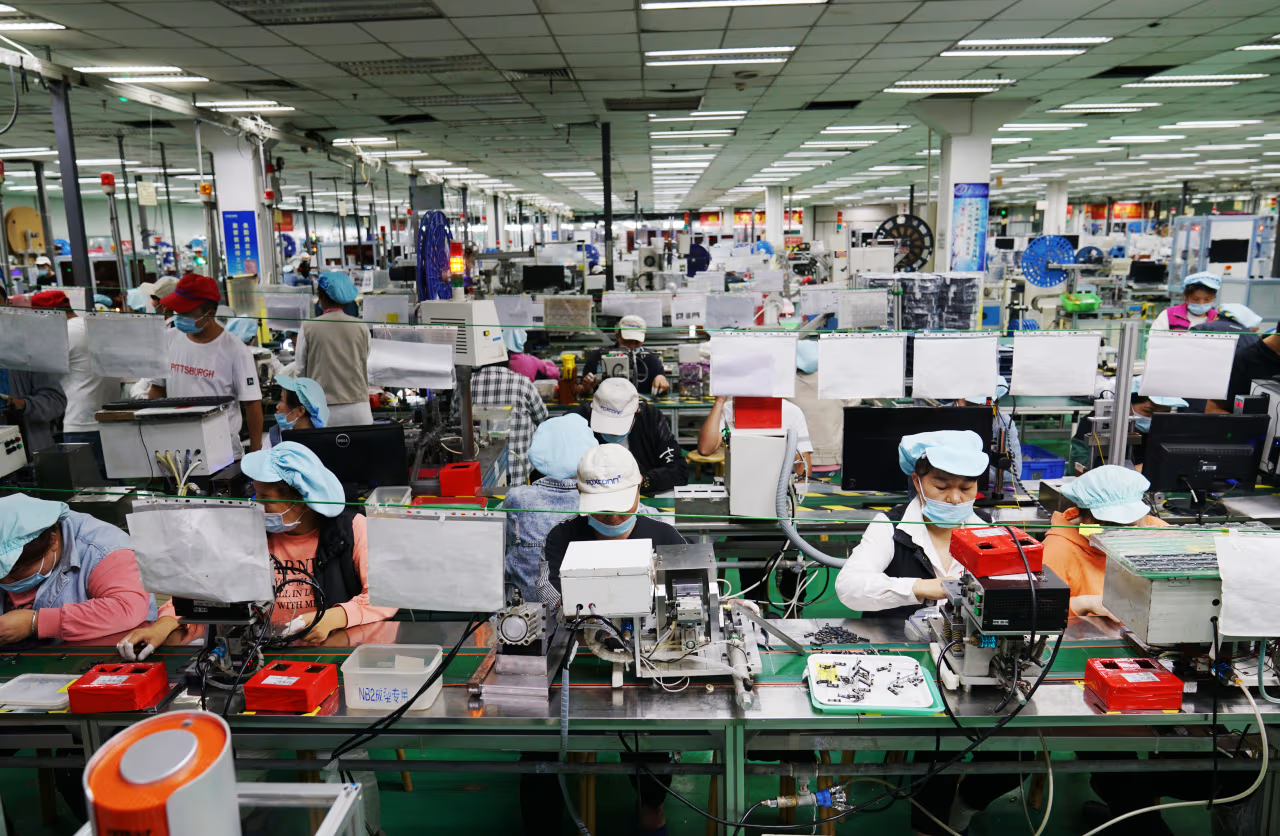
The Fallout in Zhengzhou: Why Local Economies Feel the Pain
Henan province’s reliance on Foxconn once drove it to the top of China’s export rankings. But as Apple reallocates capacity, Henan’s smartphone exports plunged nearly 50 percent in the first half of 2024, dragging total trade down by over 20 percent. Workers laid off from Zhengzhou are emblematic of the human cost of Apple’s supply‑chain migration—a cost that rarely registers in Cupertino’s glossy earnings calls.
Is Apple Betting Too Much on a New “Assembled in” Label?
Apple CEO Tim Cook insists that China remains “the most important place” for Apple. Yet, public appearances in Shanghai and subdued comments at the China Development Forum haven’t halted the southward drift of factories. As Apple forges partnerships in India—planning up to 70 million annual iPhones from Tata and Foxconn’s new Bangalore plant—it risks losing the deep industrial ecosystem that only China can provide. Without China’s vast network of component suppliers, Apple’s ventures into electric vehicles and AI hardware could sputter.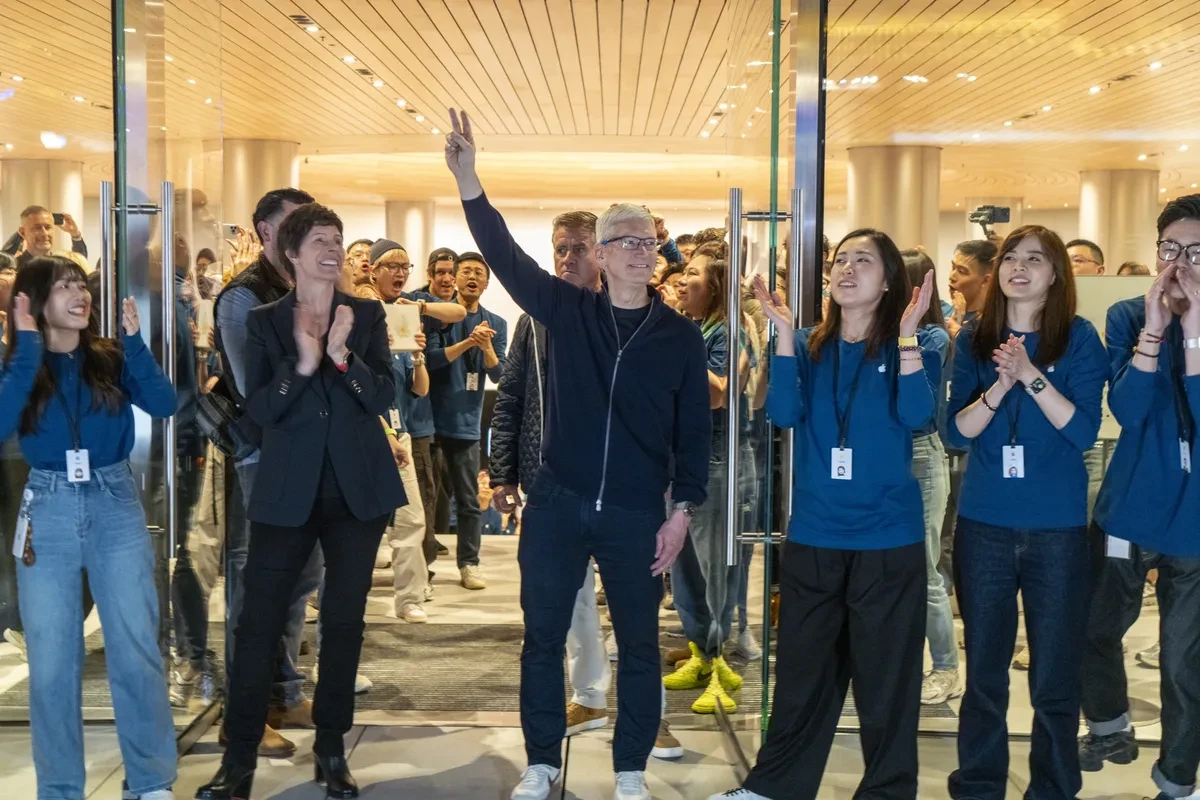
Forging Independence: How China’s Tech Giants Fight Back
Under the surface of Apple’s retreat, Chinese champions like Huawei are surging. Huawei reclaimed the top spot in Q1 2025 with 19.4 percent market share in China—up 28.5 percent year‑on‑year—while Apple slid to fifth. In response, supplier heavyweights are diversifying: Luxshare’s automotive revenue doubled to RMB 13.7 billion; AAC Technologies sees robust growth in automotive acoustics and haptic modules. These shifts mark the maturation of China’s tech ecosystem from assembler to innovator.
What’s Next for Apple and China?
In an era where geopolitics trumps globalization, Apple’s “commercial” decisions carry heavy political overtones. As US‑China tensions deepen, Apple’s maneuvering may be less about profit and more about navigating dangerous political crosscurrents. Fortunately for China’s suppliers, the capabilities they honed for Apple set the stage for independence. In the battle of supply chains, the world’s richest smartphone maker may find that its “biggest client” has more leverage than ever before.
This content is provided for informational or educational purposes only and does not constitute investment advice.