
Could the Dollar’s Reign Spark a New Financial Storm?

Global markets stand at a crossroads. If the U.S. dollar loses its primacy—or if Washington steps back from its role as “lender of last resort”—we could be hurtling toward gold runs, liquidity crises, and turbulence not seen since the 1930s or 1970s.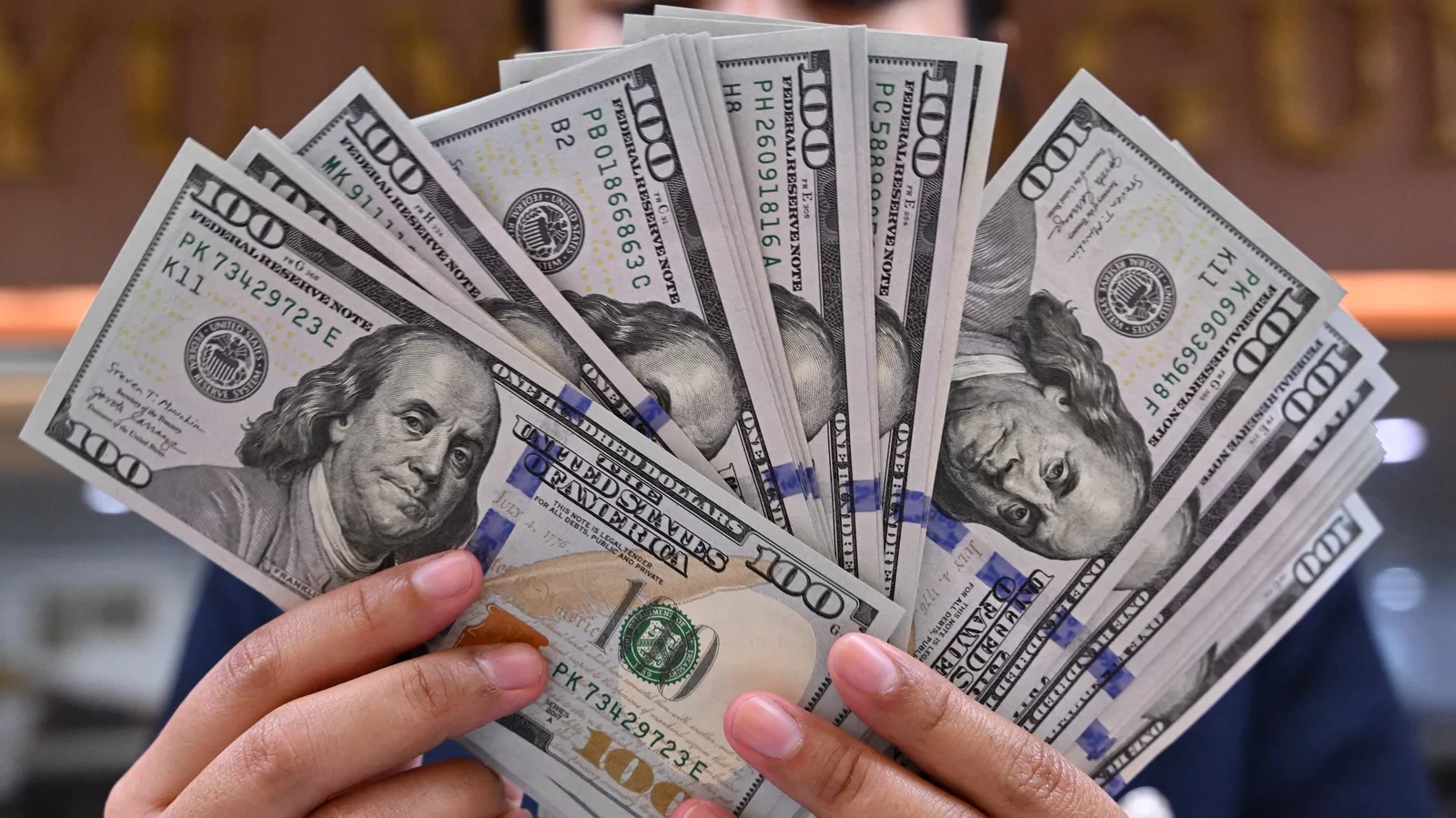
What Happens When the World’s Reserve Currency Becomes a Burden?
For decades, nations have accepted the dollar’s dominance in return for U.S. willingness to sacrifice some economic sovereignty. But recent signals from the Trump administration—and warnings from analysts like HSBC’s Stephen King—suggest Washington may no longer relish that trade‑off. Instead of supplying unlimited dollar liquidity through Federal Reserve swap lines, the U.S. could tighten its grip, unnerving global investors who rely on ready access to greenbacks. History shows that retreating from a reserve currency role tends to be abrupt and disorderly—fueling volatile asset swings and systemic shocks far more severe than a smooth handoff to a successor currency.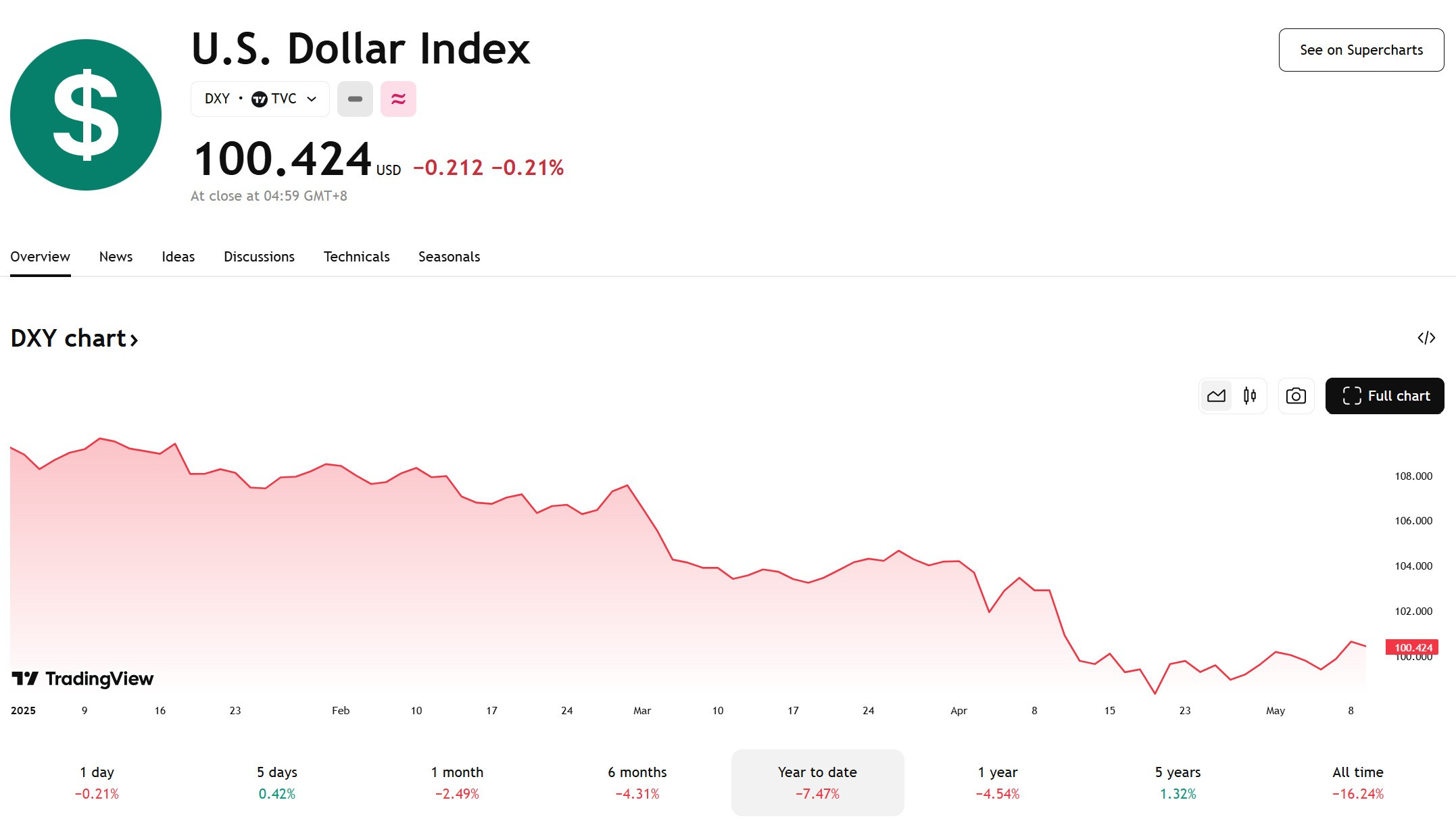
Why Would the U.S. Even Consider Undermining the Dollar?
Treasury officials and some White House figures argue that the dollar’s reserve status constrains U.S. fiscal policy and forces America to run ever‑larger deficits to satisfy global demand. Under this logic, the dollar is “overvalued,” penalizing domestic manufacturers and skewing trade balances. Proposed remedies range from targeted sanctions on “wayward” dollar holders to tariff incentives for currency appreciation, and even calling on the Fed to prioritize “moderate long‑term rates” over global stability. Yet these tools risk eroding the very confidence that undergirds dollar supremacy.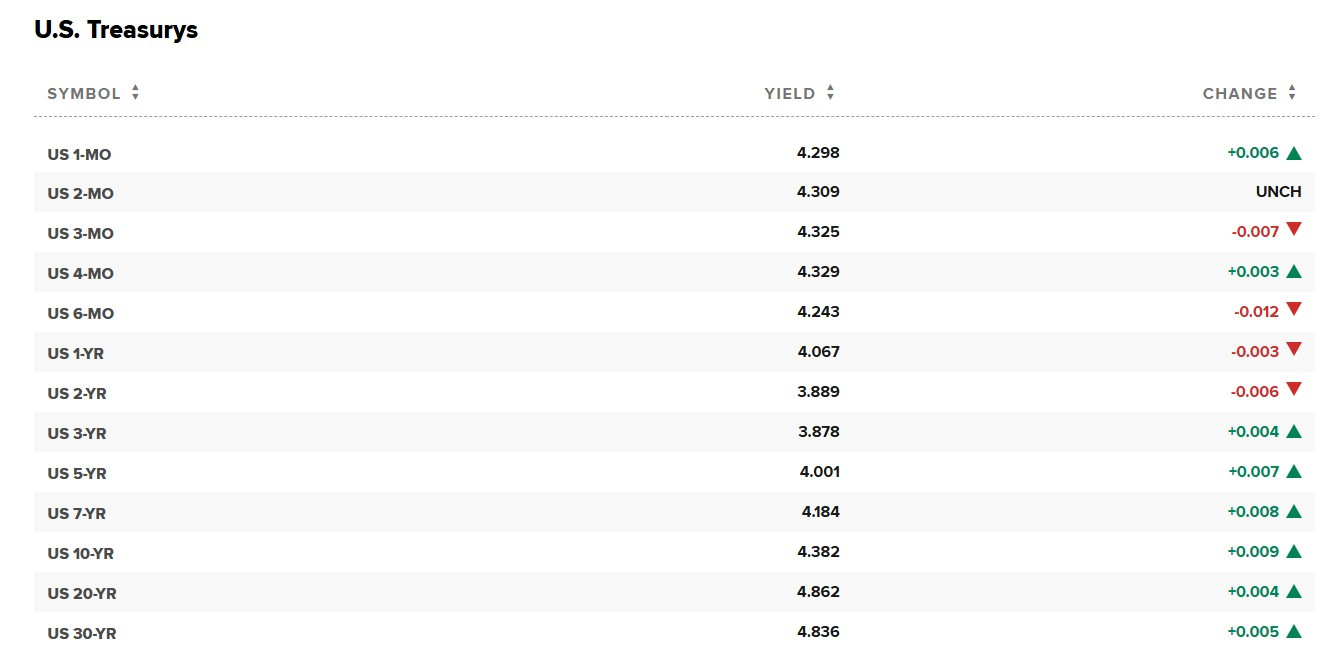
How Would Markets React If Swap Lines Vanished?
Fed swap lines have been the safety net that lets foreign central banks borrow dollars in crises, preventing fire‑sale liquidations of dollar assets. Should the Fed retreat, institutional investors would scramble for alternative safe havens—and gold, with its fixed supply, would be the natural refuge. A sudden, massive shift into bullion could drain liquidity from money markets, spike financing costs, and revive the wild price swings of the 1970s, when gold soared from $35 to over $800 an ounce. The result? A liquidity squeeze so severe that central banks and treasuries might find traditional policy levers powerless.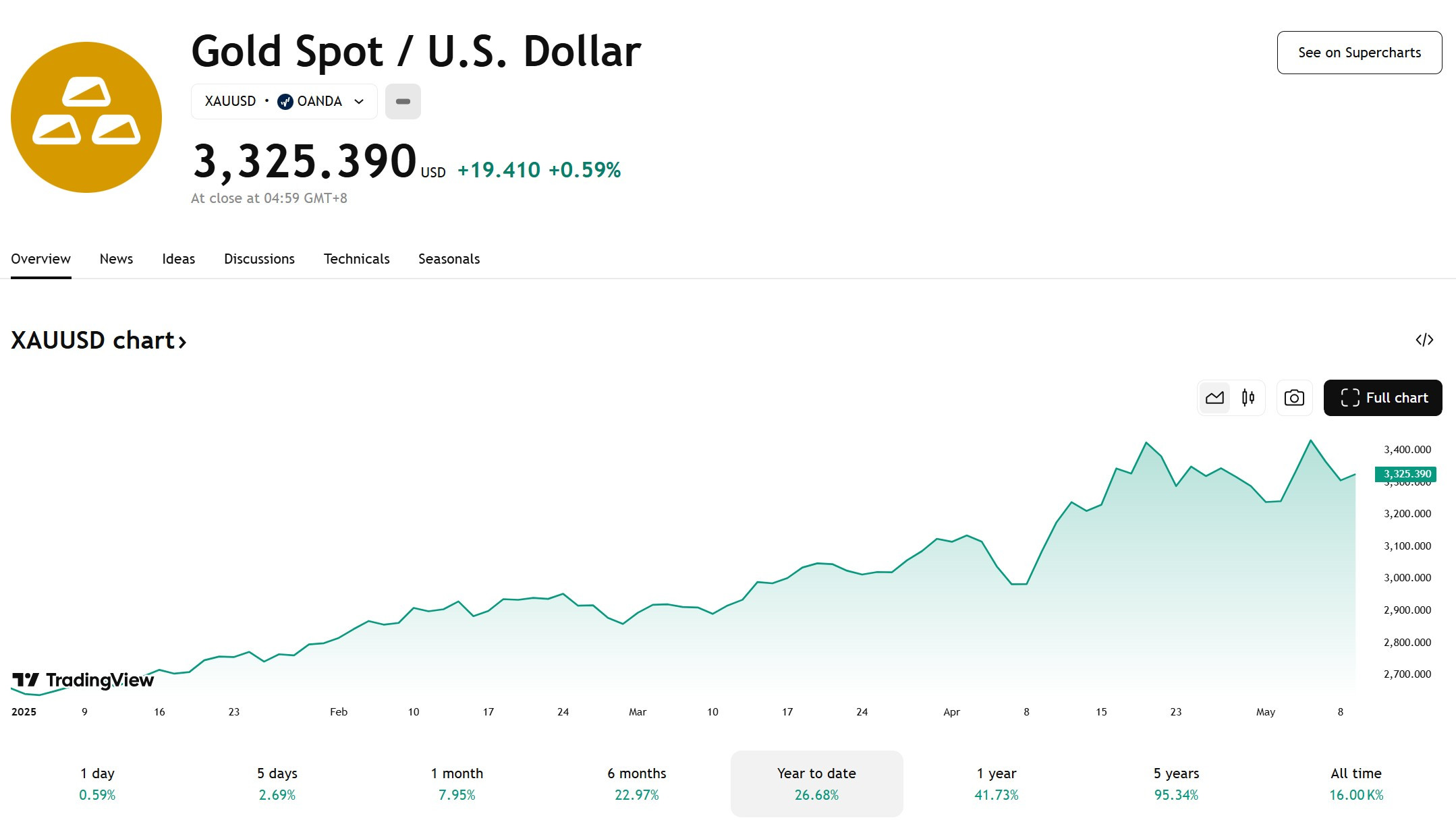
Citigroup’s Warning: Will U.S. Yields Curve Steepen Sharply?
Meanwhile, Citigroup strategists foresee another jolt: a pronounced steepening of the U.S. Treasury yield curve. With the federal government poised to balloon its deficits—thanks to proposed tax cuts and ambitious spending—long‑term bond yields could surge relative to short rates. Citi’s team pegs the 30‑year versus 5‑year spread to widen from about 40 basis points today to 90 basis points, betting on six‑month forward contracts to profit from higher long yields. Such a move would reflect investor skepticism about America’s fiscal health and could rattle mortgage markets, corporate borrowing, and consumer loans alike.
What Lessons Does History Offer?
History is unforgiving when reserve systems collapse. The 1930s saw the gold standard’s breakdown amid deflationary spirals and banking panics; the 1970s witnessed the Bretton Woods system’s demise, soaring commodity prices, and stagflation. In both eras, policymakers found themselves reacting helplessly to market forces that no longer respected outdated pegs and guarantees. Today, a similar reckoning looms: if the dollar’s backstop is removed or weakened, the global financial architecture may buckle under demands it was never designed to withstand.
The Road Ahead: Can the Dollar Defy Its Critics?
Restoring confidence in the dollar won’t be easy. Federal Reserve Chairman Jerome Powell could reaffirm the Fed’s commitment to swap lines and international cooperation, while Congress might tether deficit spending to credible growth forecasts. Yet, with political winds shifting and creditor nations seeking alternatives, the U.S. faces a delicate balancing act. Should policymakers fail to reassure markets, gold may glitter ever brighter—and the next financial storm could be just over the horizon.
This content is provided for informational or educational purposes only and does not constitute investment advice.