
Is Powell Already Too Late in the Tariff Trap?

In a rare moment of consensus, economists agree: Federal Reserve Chair Jerome Powell faces a no-win predicament. The Trump administration’s sweeping tariffs have simultaneously choked growth and threatened to stoke inflation—putting the Fed’s twin mandate under simultaneous siege. Tightening too soon risks deepening a slowdown. Easing now could fuel a price spiral. And standing pat leaves Powell vulnerable to accusations of inertia.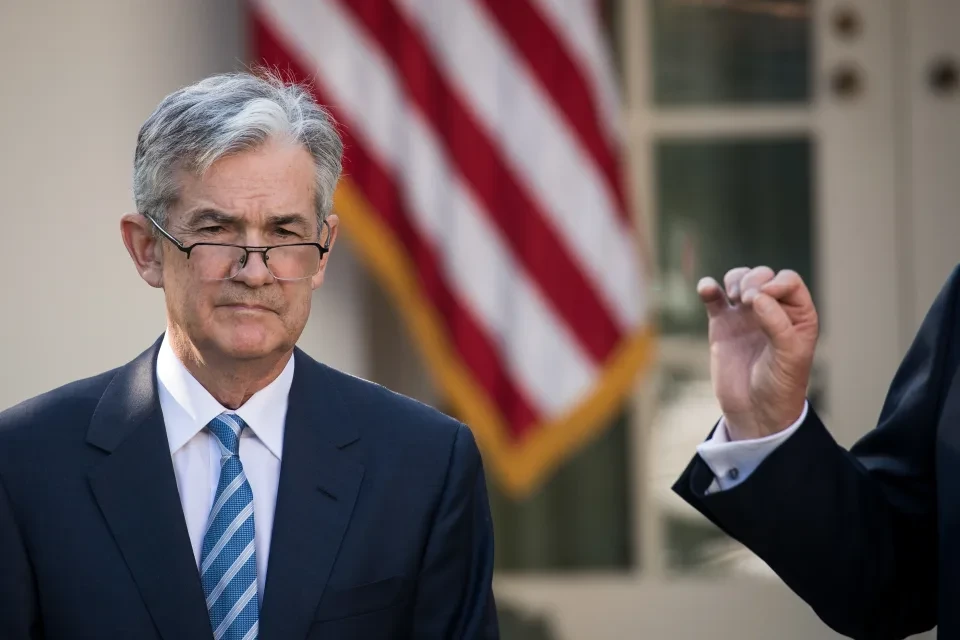
What’s Squeezing the Fed’s Playbook?
Since early April, the White House has slapped tens of billions of dollars’ worth of tariffs on Chinese goods and announced levies on Mexican imports. The immediate effect: higher input costs for U.S. manufacturers and retailers. Surveys reveal nearly 90 percent of S&P 500 companies flagged tariff worries on recent earnings calls, and consumer sentiment has softened. That spells upward pressure on consumer prices—a classic inflationary force.
Yet tariffs also act like a tax on U.S. firms, crimping investment and hiring, and cutting into economic growth. For Powell, this is a textbook “stagflation” setup: slowing expansion paired with rising prices. His dilemma: if he hikes rates to tame inflation, he risks tipping an already fragile economy into recession. If he cuts, he may fan an inflation fire before it’s even clear how much tariffs will matter.
This catch-22 has revived memories of past Fed missteps. In the 1970s, Arthur Burns hesitated as inflation accelerated, letting price gains run out of control. In the late 1990s, Alan Greenspan held off as the internet bubble swelled, only to tighten once stocks began slipping. In 2008, Ben Bernanke dismissed early mortgage distress as “contained,” delaying rate cuts until the crisis was in full swing. History suggests that until Powell sees incontrovertible data, he will tend to sit on his hands—risking the “too late” label yet again.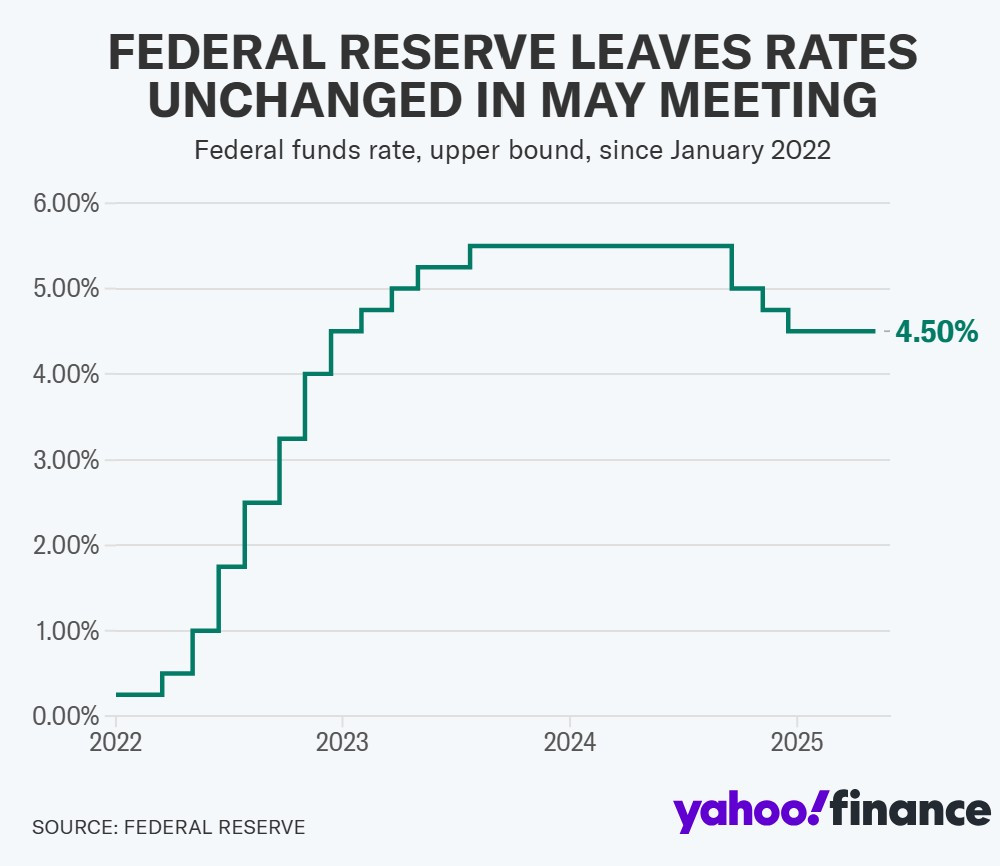
Stark Data Weeks on the Horizon
Powell can’t delay forever. This week’s calendar is jam-packed:
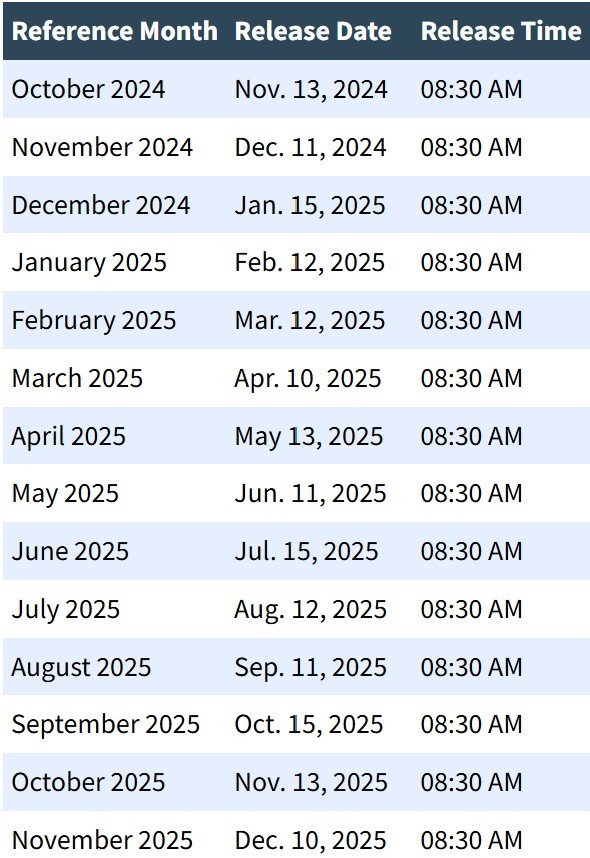
- Tuesday delivers April’s Consumer Price Index, offering fresh insight on how much of the tariff cost is passing through to store shelves.
- Thursday brings April retail sales, a barometer of consumer spending under the weight of rising prices.
- Friday closes with the University of Michigan’s preliminary May consumer sentiment index, seasonally the most volatile gauge of household confidence.
Economists surveyed by Bloomberg expect core CPI (excluding food and energy) to tick up 0.3 percent in April—rebounding from March’s unexpected 0.1 percent decline. If inflation holds above trend while retail spending stalls, markets may fear a resurgence of stagflation. That, in turn, would heighten pressure on Powell to act—one way or the other.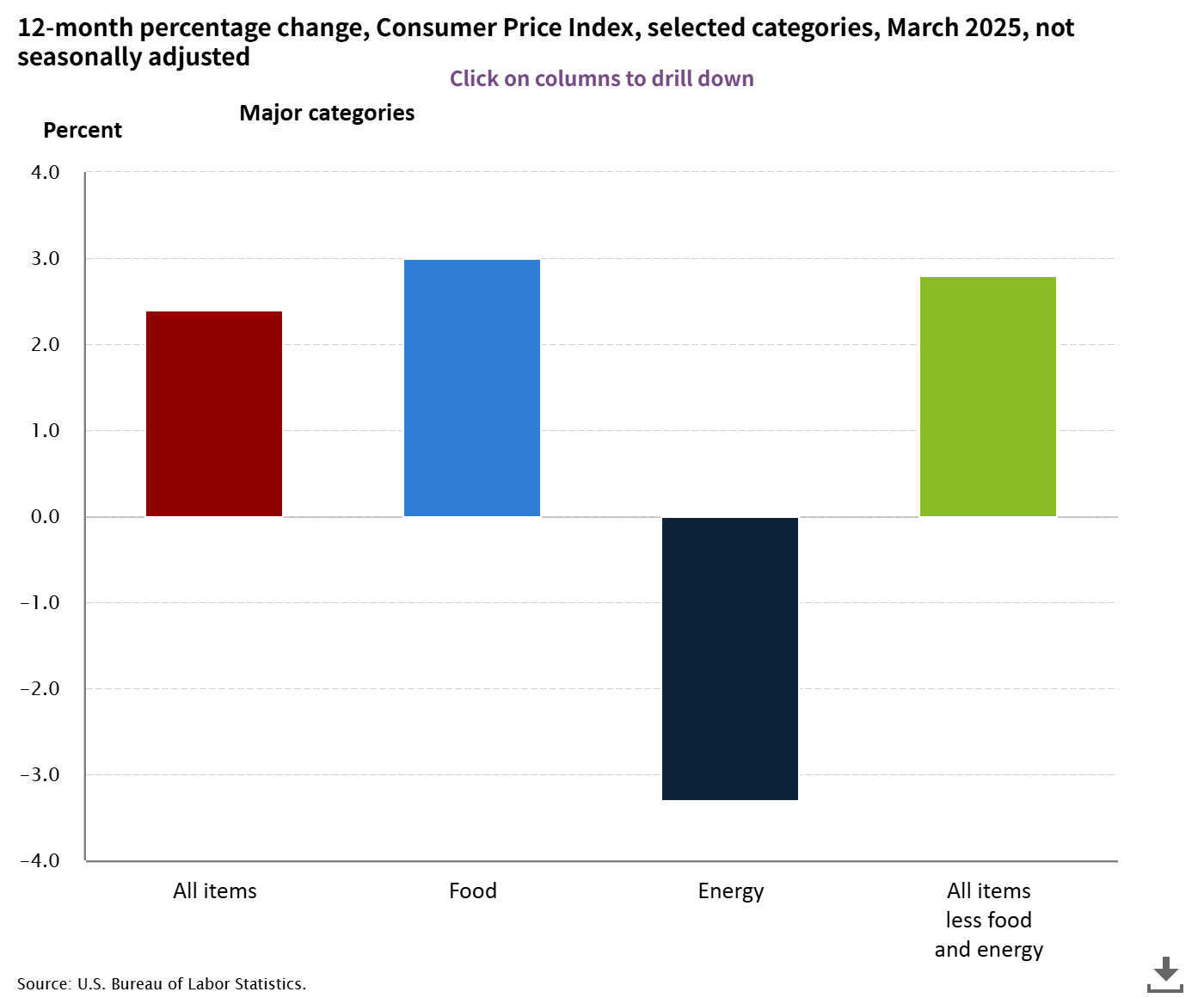
Could Tariffs Really Spark Stagflation?
Some analysts caution that tariffs’ full impact won’t show up for months. Supply-chain delays, inventory buffers, and delayed price contracts can mask early price moves. But once companies absorb higher labor and material costs, they typically pass them on. If April CPI surprises to the upside, it may mark the beginning of a multi-month run of above-target inflation.
Conversely, if retail sales disappoint, it could signal that consumers are tightening belts. That would undermine arguments for tighter monetary policy, reinforcing calls for rate cuts or at least more dovish Fed guidance. Either way, the data blitz offers the clearest lens yet on tariffs’ near-term drag—or push—on the economy.
Eyes on Financial Pressure as the Fed’s Next Pivot
While tariffs dominate headlines, another factor could be Powell’s true trigger: financial stress. Analyzing the past decade reveals four key episodes when rising market strain forced the Fed to flip from hawkish to dovish policy:
In each case, the catalyst wasn’t weak GDP or high inflation—it was financial markets signalling danger. Powell himself has warned that meaningful, persistent deviations in credit conditions merit policy response. If tariff fears spill over into credit spreads, equity volatility, or funding strains, Powell may find a dovish turn politically and economically justified—even if core inflation remains sticky.
Where Do We Go from Here?
The Fed’s next rate cut could well fall in the third quarter of 2025. Tariffs may keep inflation elevated temporarily, but past episodes (like steel and aluminum levies in 2018) suggest these effects can be fleeting. Meanwhile, if economic growth falters or financial conditions tighten, Powell may prioritize supporting the economy over slaying every uptick in prices.
Still, the Fed is unlikely to pre-empt tariffs with a precautionary rate cut. Powell has explicitly ruled out “insurance” easing, arguing that such moves transmit confusing signals and erode policy credibility. Instead, he’ll wait for clear evidence: sustained inflation above target, persistent economic softening, or pronounced financial stress.
That approach carries risks. If tariffs intensify, inflation could remain elevated longer than expected, forcing sharper hikes later—by then, economic weakness may be entrenched. If growth collapses, a delayed cut may do little to shield workers from job losses. Either way, Powell’s reputation hangs on timing—yet again.
In the end, the Fed chair may live up to Dan North’s wry assessment: “Doing nothing now is the only completely wrong choice—but every choice is wrong.” For Powell, the only certainty is that someone, somewhere, will call him “too late.”
This content is provided for informational or educational purposes only and does not constitute investment advice.