
Can China Save the U.S. Debt Crisis When Britain Can't?

Trump wants to lower interest rates, but the Federal Reserve hasn't cut rates. Although Trump announced a "major victory in trade agreements," U.S. Treasury yields continue to rise, fluctuating sideways.
This is not a victory for the Trump administration; it's the bond market's protest against a significant repricing of U.S. fiscal credibility, inflation risk, and institutional confidence.
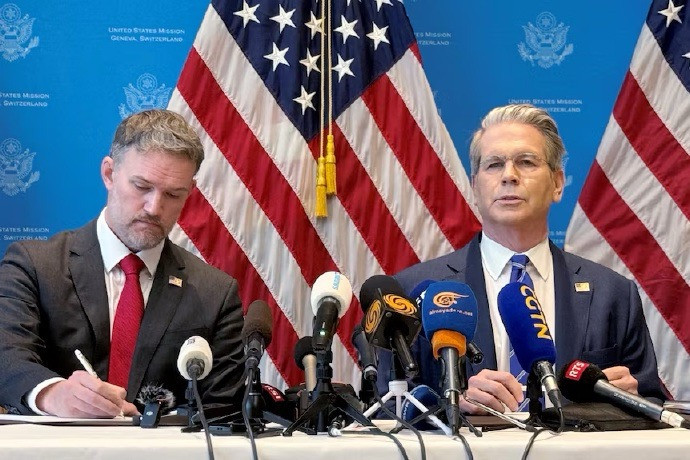
U.S. Treasury issuance is constantly expanding. Nearly $9 trillion of U.S. debt will roll over in the next 12 months, with long-term bonds exploding as no one wants to hold duration risk anymore. Short-term rates are also rising, indicating that the Fed is in a predicament, rate cuts are unlikely, and U.S. inflation persists. As Trump's economic war "not knowing what he wants" continues to escalate, foreign buyers are quietly exiting the U.S. Treasury market.
Who's taking the hit now? Many CTAs and macro funds are being liquidated in long-term trades. Soaring yields threaten the asset-liability models of U.S. pension funds and insurance companies, especially long-term assumptions. Any investors holding long-term Treasury ETFs like TLT or EDV will suffer significant blows.
Finally, the Trump administration is taking the worst hit: rolling over debt at these levels will cause interest expenses to soar, forcing the Fed to accommodate covertly.
We can boldly speculate that the U.S.'s invisible QE may have already begun. Recent SOMA activities suggest the Fed is preparing to intervene to save the long-end market.
The market no longer believes the Fed can control inflation, fiscal spending, or the long end of the curve. If this continues, the U.S. government will be the first to receive a margin call from the global market.
Today, China and the U.S. each released statements announcing that in the next 90 days, the U.S. will reduce all tariffs imposed on China after April 2 to 10%, and China will also reduce all retaliatory tariffs imposed on the U.S. to 10%. Both sides will reciprocally reduce tariff rates on each other by 91%.
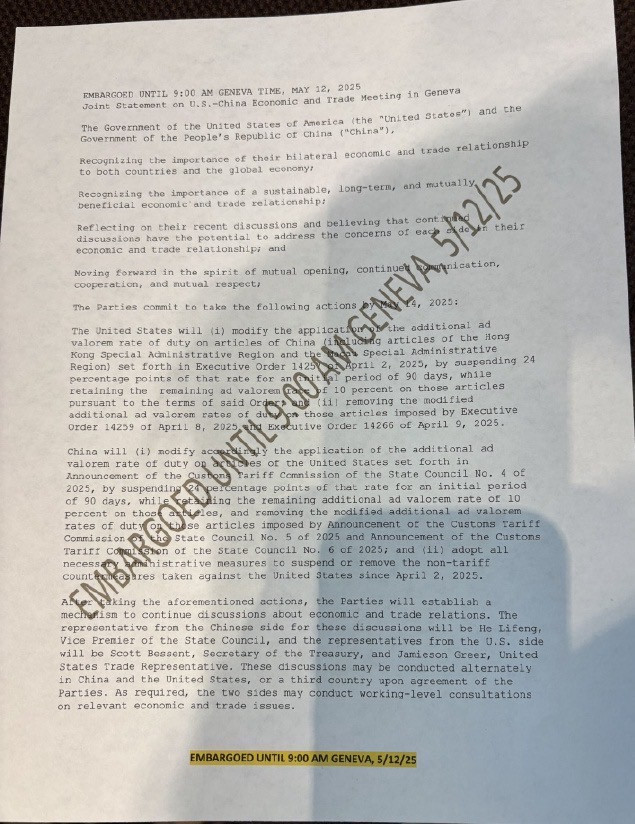
This is a good signal, with the two heavyweights stopping their mutual beating. But recovery takes time, and it's uncertain whether they'll fight again. Everyone knows that over the past month, apart from the Trump family engaging in some insider trading to recoup their presidential campaign money, the U.S. hasn't gained any benefits. Therefore, how much positive impact this "ceasefire" can bring still needs further observation.