
China-US Pause Tariff War, But It's Not Back to Square One
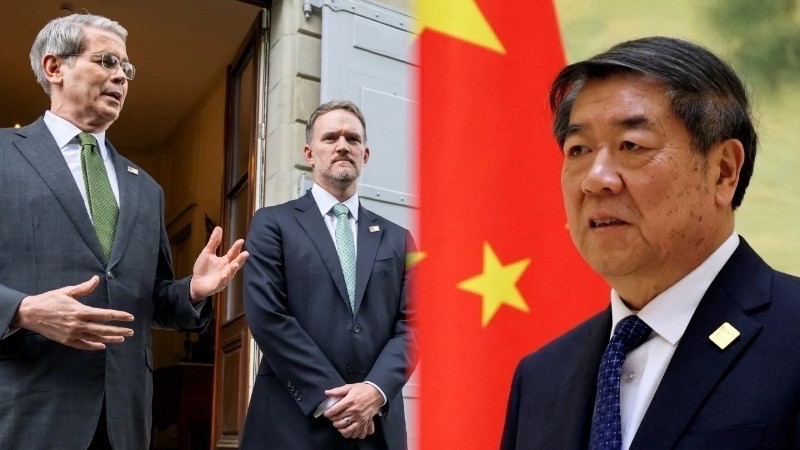
Just about two hours ago, China and the US each issued statements. In the next 90 days, the US will reduce all tariffs imposed on China after the April 2 "Liberation Day" to 10%, and China will also reduce all retaliatory tariffs imposed on the US to 10%. Both sides will reciprocally reduce tariff rates on each other by 91%.

The cumulative 20% tariffs imposed by the US on China before "Liberation Day" citing the fentanyl issue are not included in this negotiation's cancellation. According to previous expectations, the US would retain the 34% tariffs from Liberation Day, China would keep its reciprocal 34%, and subsequent mutual tariffs would be suspended or cancelled, which would have been considered not bad.
However, the final result is that even from that day's 34%, 24% was cut—far exceeding the market's most optimistic expectations. Theoretically, the tariff measures will be suspended for the next 90 days, and both sides will continue negotiations. But given the current negotiation level, the probability of mutually raising tariffs again after 90 days is low. This huge positive news has stimulated a chorus of rising voices.
From April 2 to May 12, it's been just over a month. According to the "Liberation Day" tariff logic, the US imposes higher tariffs on trade deficit countries than their counterparts. After this negotiation, this logic has fallen apart, as China, a trade surplus country, is reducing tariffs by the same amount as the US.
In contrast, in the trade agreement reached between the US and the UK, the US retained a 10% additional tariff on the UK, while the UK did not reciprocate, despite the US having a trade surplus with the UK. Unyielding Beijing achieved a better negotiation result than compromising London.
Some say, isn't this just back to square one after more than a month of turmoil? If Trump had announced only a 10% tariff on all countries from the beginning, wouldn't it have had the same effect?
In fact, it's not the same.
Firstly, if such aggressive tariff measures hadn't been announced on "Liberation Day," the US stock market would never have experienced the massive fluctuations of the past month. Clearly, the Trump family made considerable profits from this earth-shattering event. But the cost of his profit-making is the enormous erosion of US national credit. When Washington wielded the "trump card" of a tariff war, it already led to a decline in global trust in the US. The loss of moral assets is irreversible.
The US was originally the core of the world order. The relationship between other countries and the US was like stars revolving around the moon. Engaging in the "art of the deal" with other countries essentially means abandoning its position as the "sun" in a galaxy and placing itself on the same footing as other "planets."
Tariffs can be reduced, but the world order is difficult to return to its original state.
Over the past month, China has clearly prepared for a "protracted war" while completing a macroeconomic policy shift through interest rate and reserve requirement cuts. Although tariffs have been reduced, the long-term process of reducing dependence on the US market, supply chain, and technology will not end. The negotiation results show that China and the US will not and cannot decouple now.
But from the first day of the tariff war, both sides knew each other's bottom line—that the other side was already preparing for "decoupling." This is a permanent change in expectations. It's like when a person submits a resignation to their company; even if they withdraw it after a month, the relationship between the person, the company, and the supervisor can never go back to what it was.
Of course, no matter what, reaching an agreement is good news—good for China, good for the US, and good for other countries. But in the long run, the path of globalization will inevitably become bumpier; the world's landscape may be at a point of change.