
Can Geneva Talks Really End the US–China Tariff War?

Breaking: After two days of “frank, in-depth and constructive” discussions in Geneva, Beijing and Washington have agreed to roll back 91% of their tit-for-tat tariffs and suspend an additional 24% for 90 days. They’ve also committed to a standing trade-consultation mechanism. Here’s what you need to know.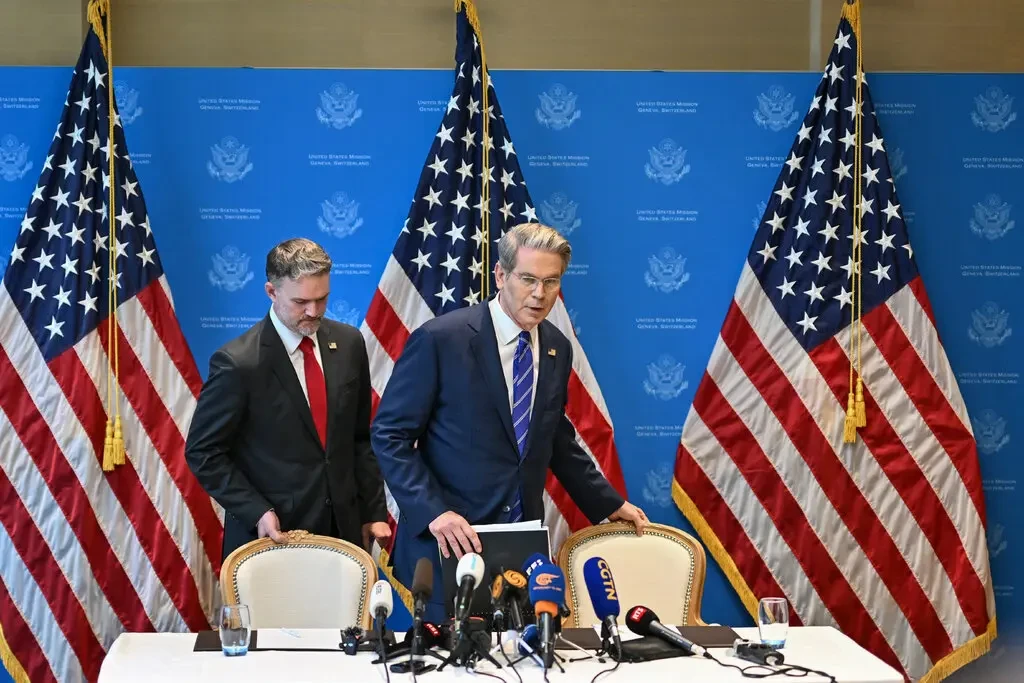
How much of the tariffs have really come down?
In a joint statement released on May 12, both sides confirmed that:
- U.S. cuts: 91% of additional duties imposed under the April 8 and April 9, 2025, executive orders will be eliminated outright.
- China cuts: 91% of its retaliatory levies on U.S. exports—earmarked under China’s tariff-announcement No. 4—will also be removed.
- Temporary suspension: Of the remaining 34% “equivalence” tariffs, 24% will be paused for 90 days, leaving only 10% in force. Beijing will mirror this pause on its counter-tariffs and roll back certain non-tariff measures.
The net effect is a dramatic dial-down of duties that, at their peak, were slamming goods at up to 125% tariffs on each side. The wartime escalation had already delivered a gut punch to logistics: on May 9, U.S. West Coast ports recorded zero sailings from China over a 12-hour window—an unprecedented freeze in modern global trade.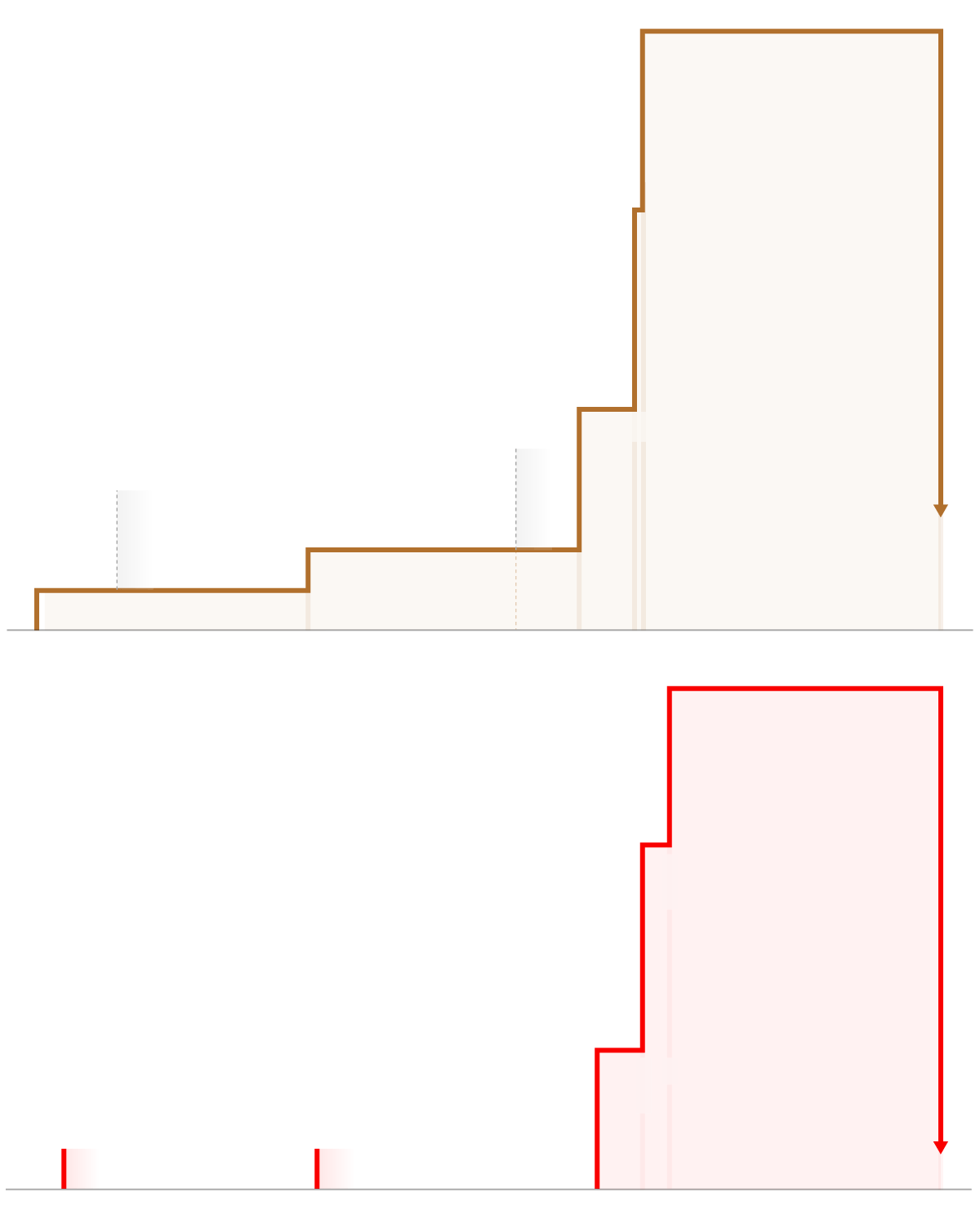
Why did this breakthrough happen?
Experts identify two main drivers:
- Mutual pain: The “equivalence” tariffs—initially set at 34% on April 2 and quickly cranked up to 84% then 125%—blew a hole in corporate P&Ls on both sides. Exporters and importers alike faced lockdown-level levies that rendered many trade routes unprofitable overnight.
- Sharper playbook: After previous rounds of friction, negotiators arrived better prepared. Both teams came armed with quantifiable loss data, clear statements of grievance and proposals for calibrated relief. As international economist Gao Lingyun notes, “When you move from abstract principles to hard numbers, bargaining shifts from a shouting match to table-by-table deal-making.”
- Meanwhile, on the U.S. side, Treasury Secretary Bessent was seen dining privately with hedge-fund managers to gauge market sentiment—underscoring how financial markets have become a direct input into trade-policy decisions.
What happens to trade flows next?
Resuming normal trade volumes is the immediate task. Economists at the University of International Business and Economics caution that while tariff levels may be cut, rebuilding trust and realigning supply chains will take time:
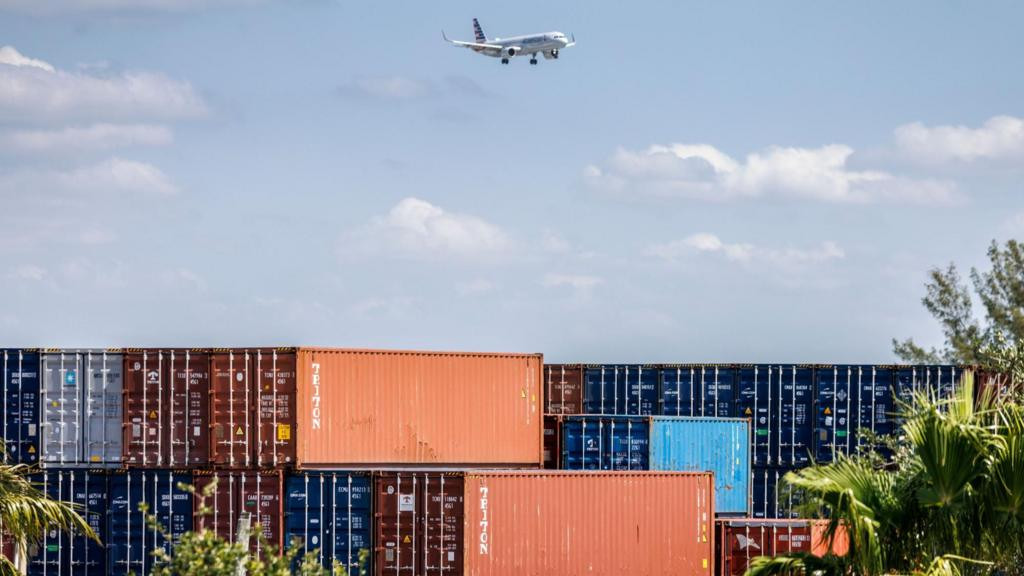
- Logistics rebound: Shipping lines need to remobilize vessels, reconfigure port slots and reassure insurers who had flagged China routes as “high-risk.”
- Inventory reshuffling: Buyers will reassess orders piled up or canceled during the tariff spike, potentially triggering a surge in backlogged shipments once duties fall away.
- Supply-chain realignment: Many manufacturers had begun diversifying out of China to avoid punitive duties—into Vietnam, India or Mexico. Some of that momentum may reverse, but firms will likely hedge with a “China + 1” strategy rather than full onshoring.
A new consultation mechanism is born
Beyond headline tariff cuts, both sides have agreed to establish a permanent trade-consultation forum:
- Leaders: China’s Vice Premier He Lifeng and U.S. Treasury Secretary Bessent, alongside Trade Representative Grier, will co-chair.
- Format: Meetings will alternate between China, the U.S. and, if agreed, a neutral third country.
- Scope: Regular or ad-hoc working groups can be convened on any bilateral trade issue—from intellectual property to food-safety standards.
- Timing: Specific dates and venues are to be determined, but the goal is to head off sudden tariff spikes that have repeatedly rattled markets.
This mechanism represents a shift from ad-hoc retaliation to institutionalized dialogue—an acknowledgment that enduring stability requires more than one-off fixes.
Markets cheer the news
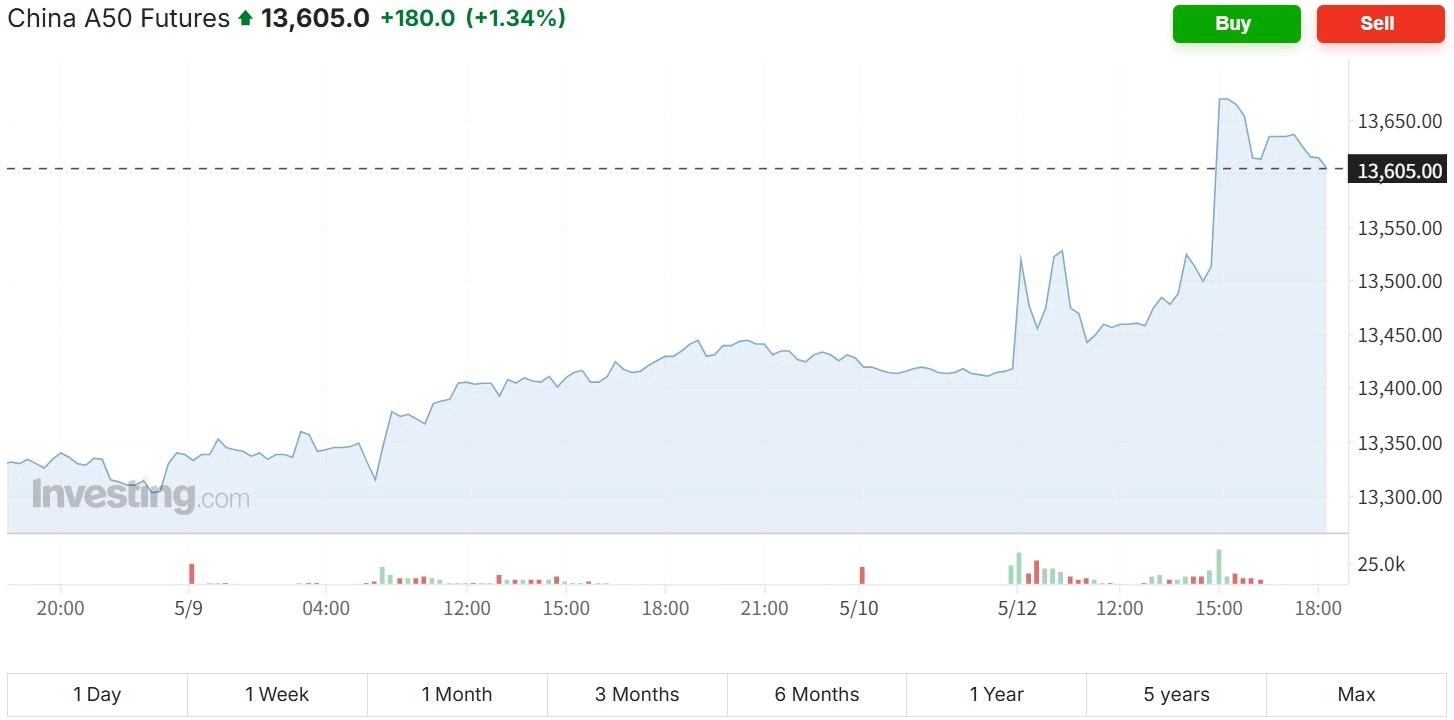
The joint declaration sent immediate ripples through global markets on May 12 after trading hours:
- China A-shares (FTSE China A50 futures) jumped 1.43%.
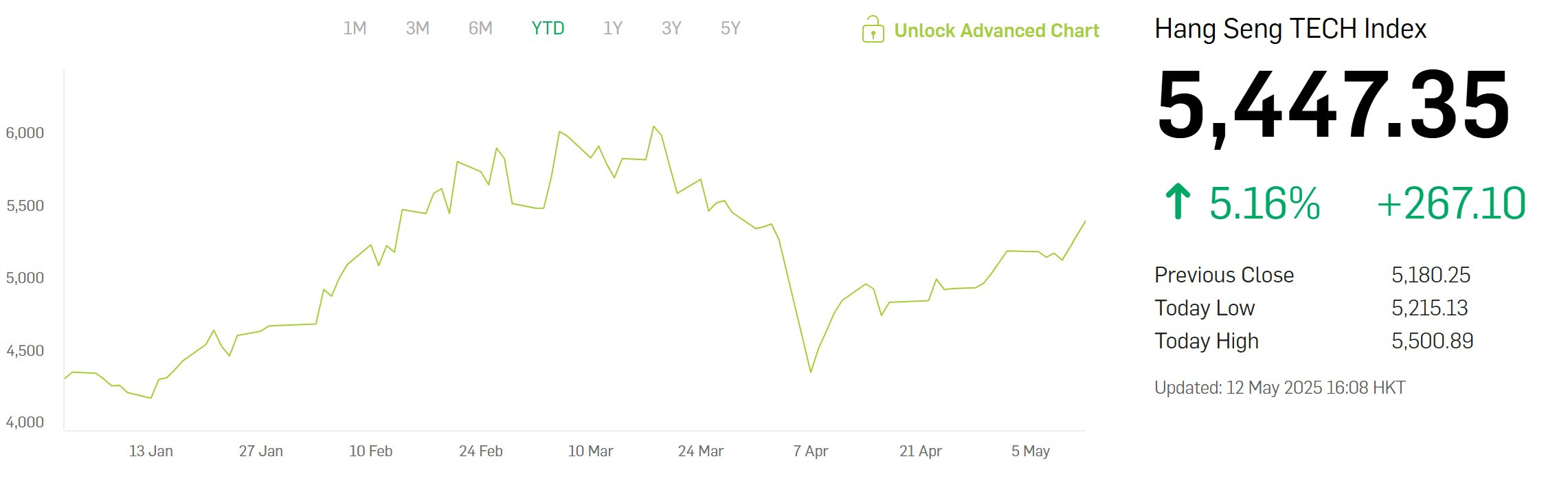
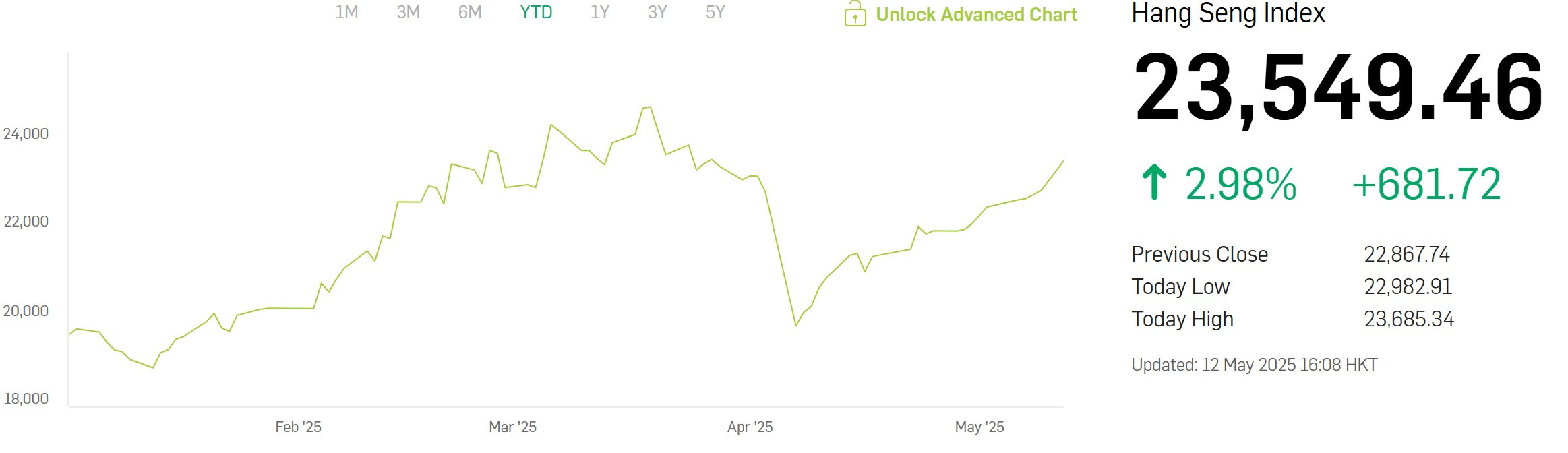
- Hong Kong equities: Hang Seng Tech surged nearly 6%; the benchmark Hang Seng rose over 3%. Electric-vehicle manufacturers led gains—XPeng up 11%, NIO and Li Auto over 8%, BYD more than 7%.
- U.S. futures: Nasdaq 100 futures soared 3.52%; Dow Jones futures rallied 2.11%; S&P 500 futures gained close to 3%.
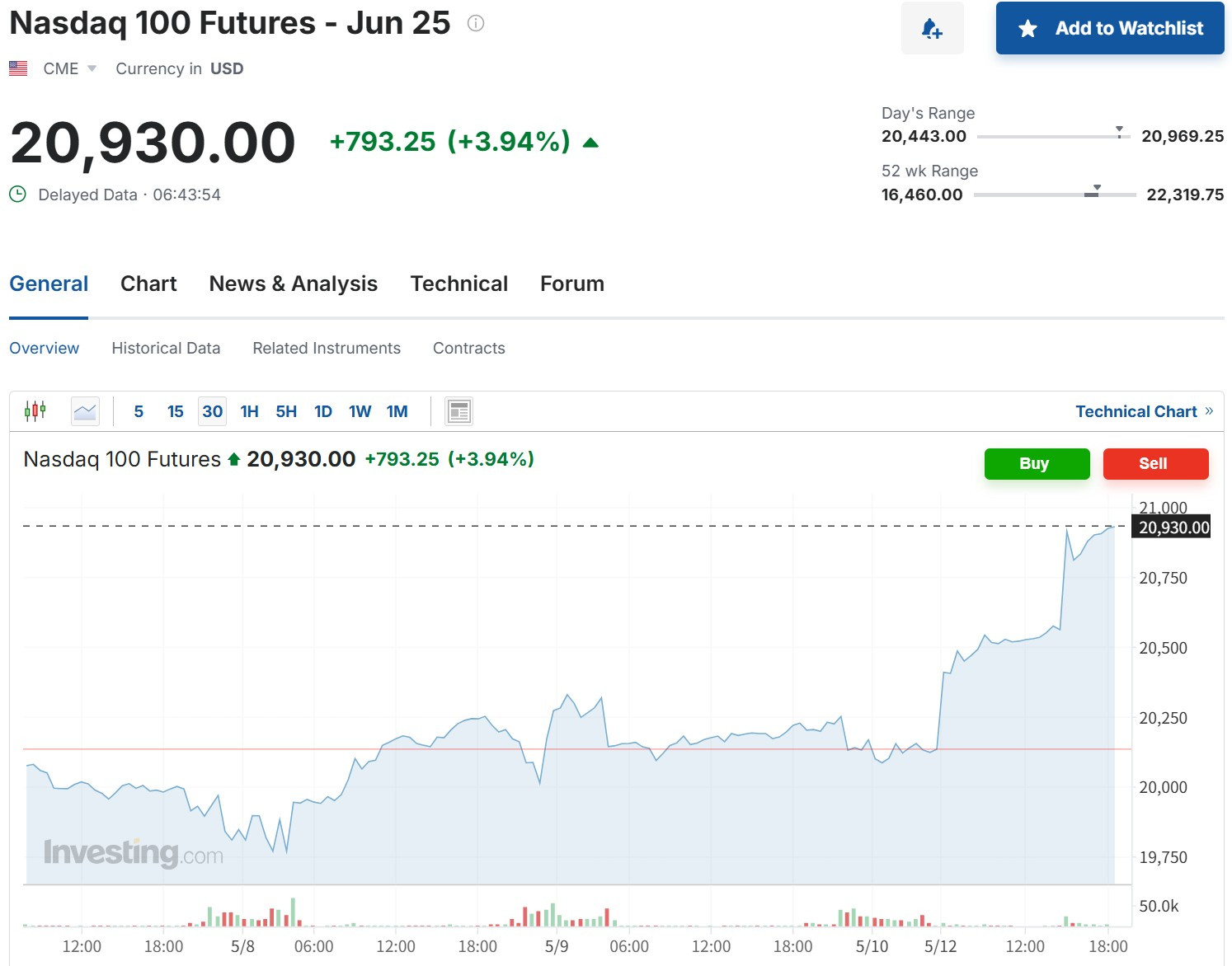
Investors see tariff relief as a green light for corporate earnings, re-anchoring supply chains and kicking off new capital expenditures on both sides of the Pacific.
Bottom line: The Geneva talks have delivered a rare, tangible rollback of one of the most consequential trade wars in modern history. They’ve paused the most punitive levies and laid the groundwork for continuous dialogue. But this détente is just the opening act. Restoring full trade flows, addressing thorny issues like technology transfer and export controls, and maintaining political will on both sides will be the true tests. For now, at least, global markets have gotten a welcome reprieve—but the long game of U.S.–China economic competition marches on.
This content is provided for informational or educational purposes only and does not constitute investment advice.