
Is the Fed Poised to Cut Rates After April’s Inflation Surprise?

What’s Driving April’s Cooler Inflation?
April’s CPI print offered a surprisingly mild reading, suggesting that inflationary pressures may be easing faster than many anticipated:
• Headline CPI rose 0.2% month-on-month, versus the 0.3% consensus forecast.
• Annual CPI decelerated to 2.3%, the weakest since February 2021.
• Core CPI (ex-food & energy) climbed 0.2%, below the 0.3% expectation, with its year-over-year rate holding at 2.8%, the lowest since March 2021.
Together, these numbers point to a mix of base-effects, cooling demand, and sector-specific slowdowns that may give the Fed room to pause—or even pivot—to rate cuts later this year.
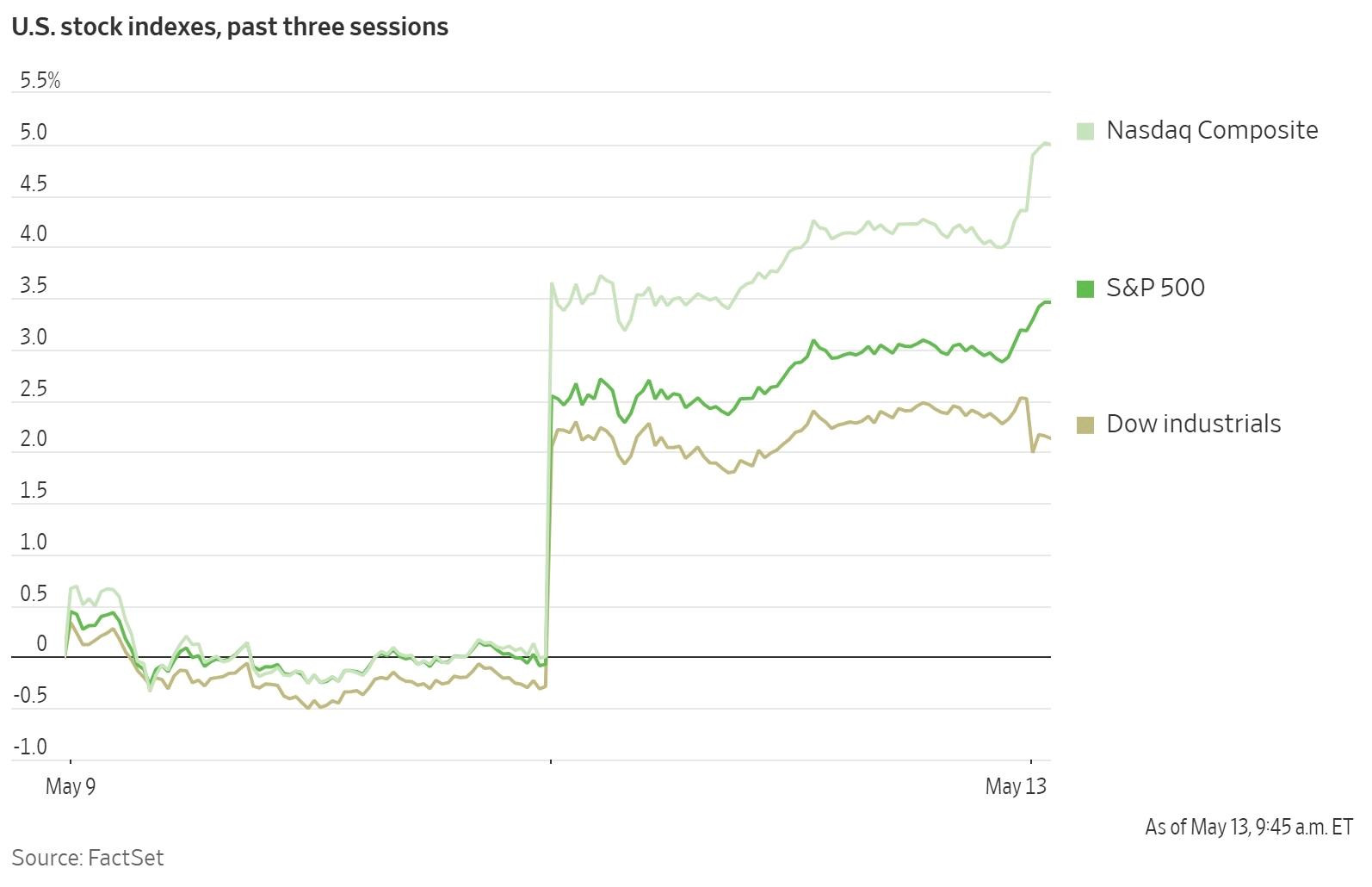
How Did Markets React?
Market participants wasted no time pricing in a more dovish Fed stance:
• Gold jumped by about $6 an ounce as real yields fell.
• The U.S. Dollar Index dipped, reflecting softer expectations for further Fed tightening.
• Two-year Treasury yields slid, signaling renewed bets on rate cuts.
• Short-term Fed funds futures now imply the first cut in September, followed by another in October.
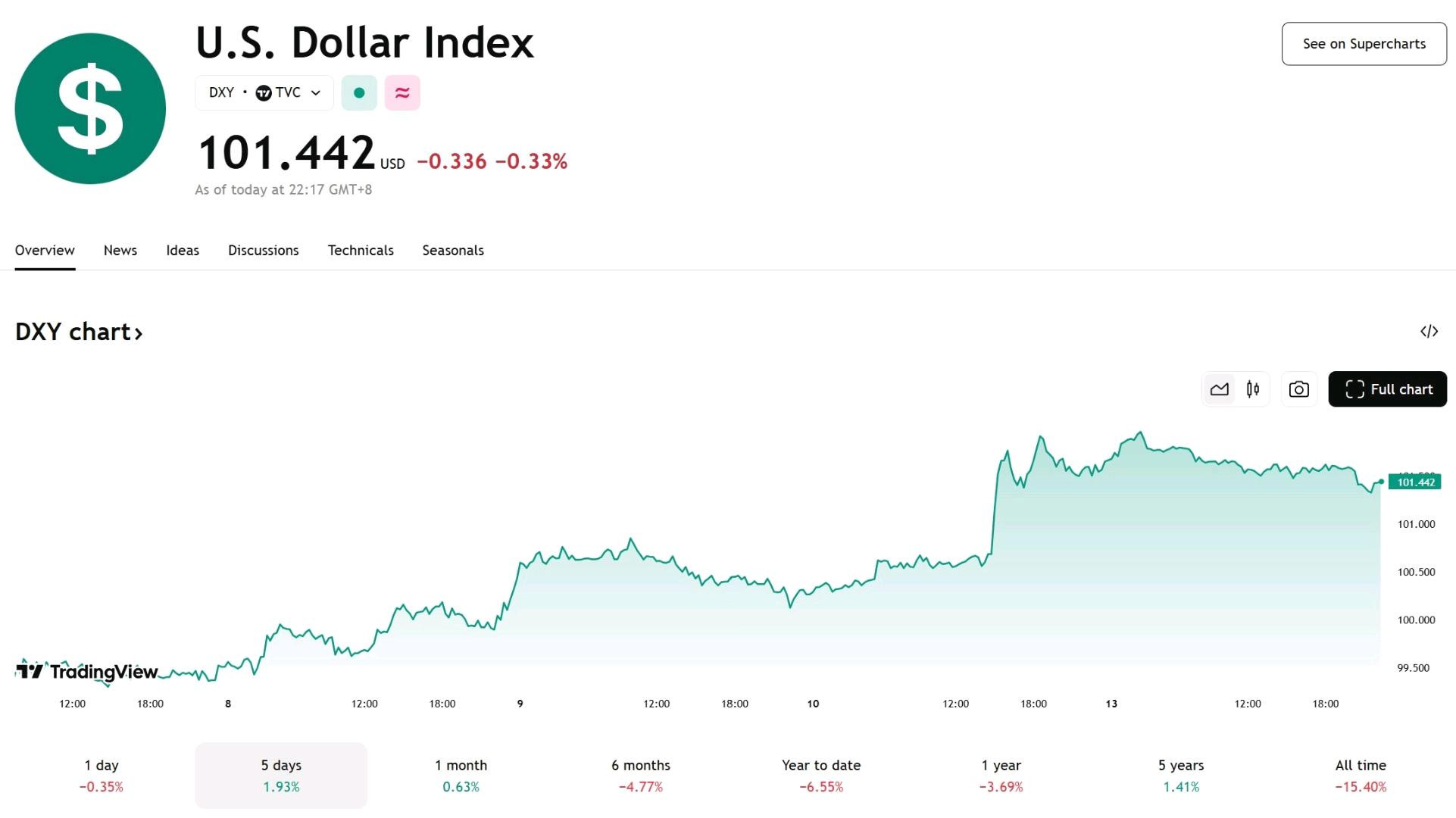
This collective move pushed many investors to push back the Fed-cut timetable from mid-summer to the fourth quarter of 2025.
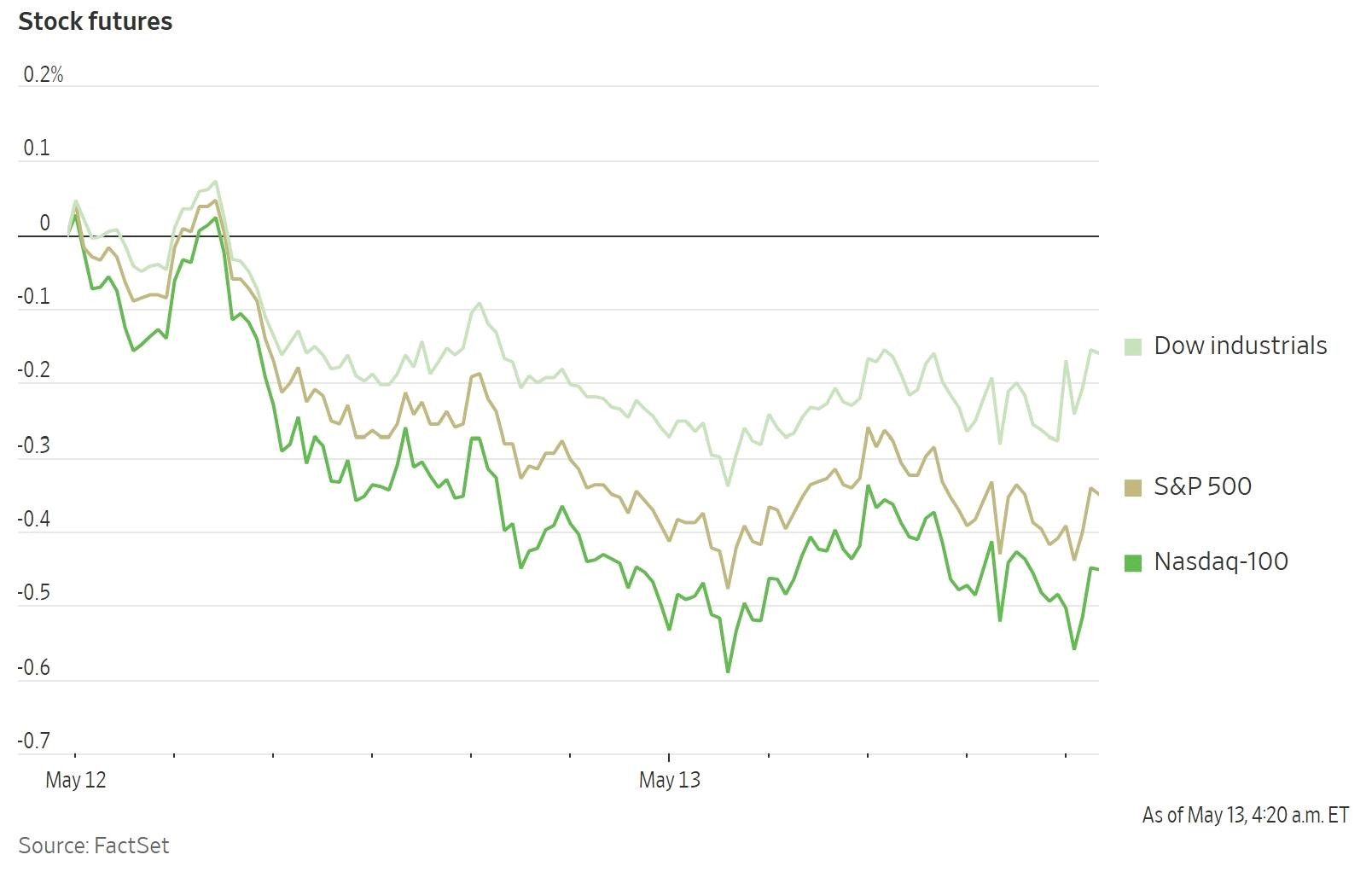
Why the Fed’s Preferred Gauge Still Matters
Despite the CPI relief, the Federal Reserve gives priority to the Personal Consumption Expenditures (PCE) price index. In March, headline PCE inflation fell to 2.3%—down from earlier peaks but still above the Fed’s 2% target. Core PCE has proved stickier than core CPI, buoyed by rising housing and healthcare costs. Until core PCE consistently moves below the 2% threshold, Fed officials are likely to remain cautious about declaring victory over inflation.
Are Tariffs Clouding the Outlook?
Economists warn that most of the impact from President Trump’s import tariffs has yet to hit consumer prices. Firms front-loaded inventory purchases in March at pre-tariff rates, slowing the pass-through of higher costs. In April:
• Commodity prices were flat.
• Core goods inflation rose by just 0.1%.
Goldman Sachs projects that as those inventories deplete, retailers will raise prices to cover tariff expenses—potentially reversing this month’s gains and keeping long-term inflationary risks alive.
Can Political Pressure Speed a Cut?
President Trump has publicly seized on the softer CPI numbers to press Fed Chair Jerome Powell, dismissing inflation as “non-existent” and likening discussions with Powell to “talking to a cow.” Yet on Wall Street, banks have pushed their rate-cut forecasts later into the year: Goldman Sachs, Barclays, and JPMorgan now expect the first cut in December, while Citi has moved its call from June to July. This alignment toward year-end reflects both reduced recession fears and uncertainty over tariff effects.
What’s Next for Investors?
Today’s report leaves investors in a “wait-and-see” mode. If disinflation holds, bond yields may grind lower and equities could benefit from a more benign rate environment—provided growth remains resilient. However, the looming depletion of pre-tariff inventories and potential trade-policy reversals pose upside risks to inflation. As AmeriVet Securities’ Gregory Faranello cautions, while April’s CPI is “welcome news for bonds,” it may take several months for the true path of inflation—and the Fed’s policy response—to become clear.
This content is provided for informational or educational purposes only and does not constitute investment advice.