
Private equity investment surges into the Middle East

The bleak prospects of trading in the US market have led more capital to turn its attention to the Middle East.
Trump's erratic tariff policies have dealt a heavy blow to private equity investment (PE) in the United States. Since the beginning of this year, the share prices of many large private equity investment firms have declined, especially with a significant drop in the most recent month.
In order to combat inflation, the Federal Reserve successively raised interest rates 11 times from March 2022 to July 2023, with a cumulative increase of 525 basis points, and it wasn't until September last year that the interest rate cut cycle was initiated.
High interest rates have hindered leveraged buyouts on a global scale. Many private equity investments had pinned their hopes on the recovery of trading brought about by Trump's tenure, so as to exit their long-held investments and realize profits.
However, the market turmoil triggered by tariffs has shattered the hope of a trading recovery.
All of these factors have made the Middle East a more important source of liquidity for these asset management companies.
Tariffs disrupt exit plans
When Trump took office, the Federal Reserve had already initiated the interest rate cut cycle, which theoretically should boost private equity trading activities.
However, due to the current erratic tariff policies of the Trump administration, which have triggered violent fluctuations in the stock market, the plans of private equity to exit their investments may be disrupted.
According to data from the research firm PitchBook Data, in the first quarter, there were more than 12,000 US companies in the industry waiting for exit, among which about 3,800 companies had been held for 5 to 12 years.
Private equity investments have been eagerly hoping for a large number of mergers and acquisitions.
However, according to the prediction of the research institution under Arctos Partners, a private equity investment firm, the current uncertainty may push merger and acquisition activities and initial public offerings (IPOs) to a low point similar to that in the second quarter of 2020, when trading activities were virtually frozen.
"The uncertainty of tariffs may suppress any long-term trading activities related to cross-border factors," the institution warned in a research report, adding that the impact of tariffs "will almost certainly" increase the pressure on private equity investments.
Capital floods into the Middle East
The bleak prospects of trading in the US have led more PEs to turn their attention to the Middle East.
Last month, according to a report by Bloomberg, Brookfield is planning to raise at least $2 billion to launch a private equity fund focused on the Middle East.

It is understood that this asset management company with an asset scale of $900 billion has already established a private equity investment portfolio worth $8 billion in the Gulf region and accumulated infrastructure and real estate assets worth $5 billion, making it one of the largest foreign investors in the Middle East.
Jad Ellawn, the head of Brookfield's Middle East region, said, "The Middle East combines the returns of emerging markets with the risks of developed markets, which is an attraction that cannot be found anywhere else."
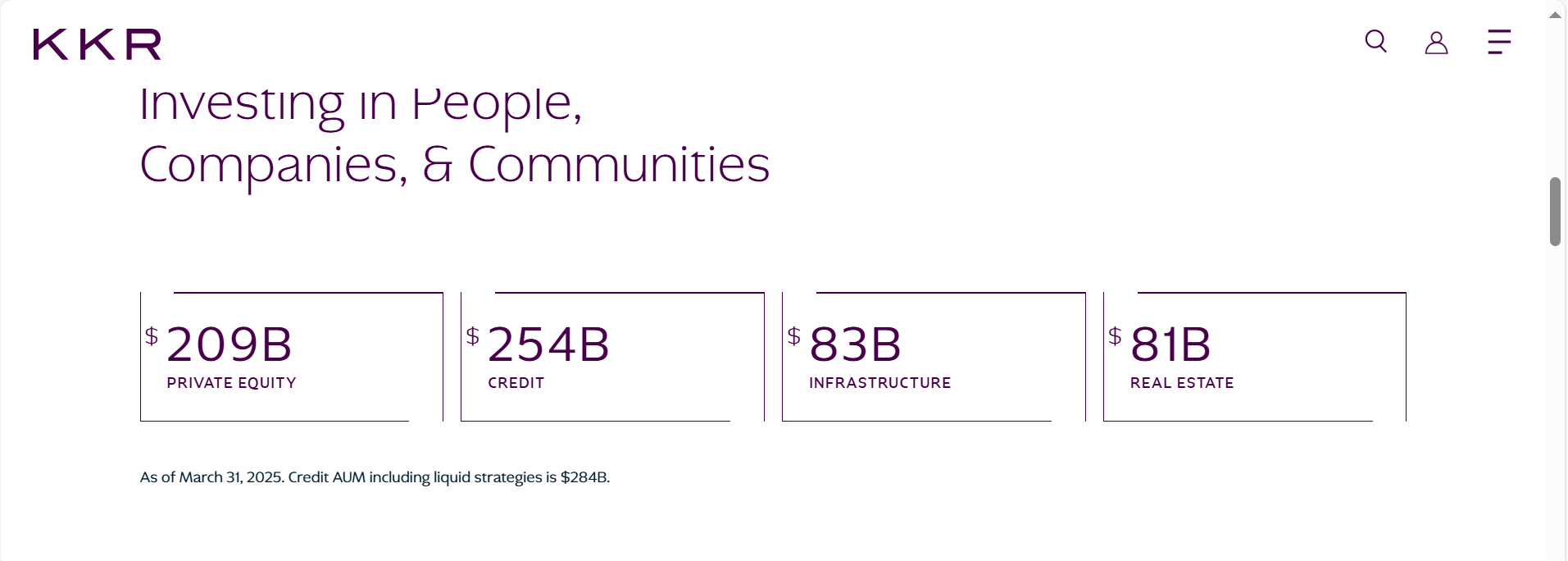
Another private equity pioneer, KKR, has made personnel adjustments. The company has appointed David Petraeus, the chairman of its Global Institute and the former director of the Central Intelligence Agency of the United States, as the chairman of its Middle East division and established a "dedicated investment team" for the region.KKR has been operating in the Persian Gulf region since 2009 and has offices in Dubai, the United Arab Emirates, and Riyadh, the capital of Saudi Arabia.
After the appointment was announced, Petraeus said, "The Middle East is becoming a leading investment center," and KKR sees opportunities to invest in or lend to "domestic enterprises" in the region.
In early March, GIP, a company under BlackRock, announced that it would open an office in Qatar as its business center in the Middle East and North Africa. It is reported that GIP focuses on infrastructure investment and manages assets of more than $100 billion.
In addition, other heavyweight PEs, including The Carlyle Group, Warburg Pincus, and General Atlantic, are also seeking expansion in the Gulf region.
The Carlyle Group has dispatched more than six executives to Abu Dhabi to provide training for local counterparts; Warburg Pincus has transferred its general manager Viraj Sawhney from Mumbai to the Gulf region to be responsible for the expansion of the private equity's transactions in the region; General Atlantic opened an office in Abu Dhabi as early as last year.
The research institution Preqin pointed out that compared with 10 years ago, the number of private equity transactions in the Middle East region has nearly tripled, and the assets under management have almost doubled. As many PE executives have said, the Middle East is no longer just a source of capital, but has become a destination for capital.
What is the attraction?
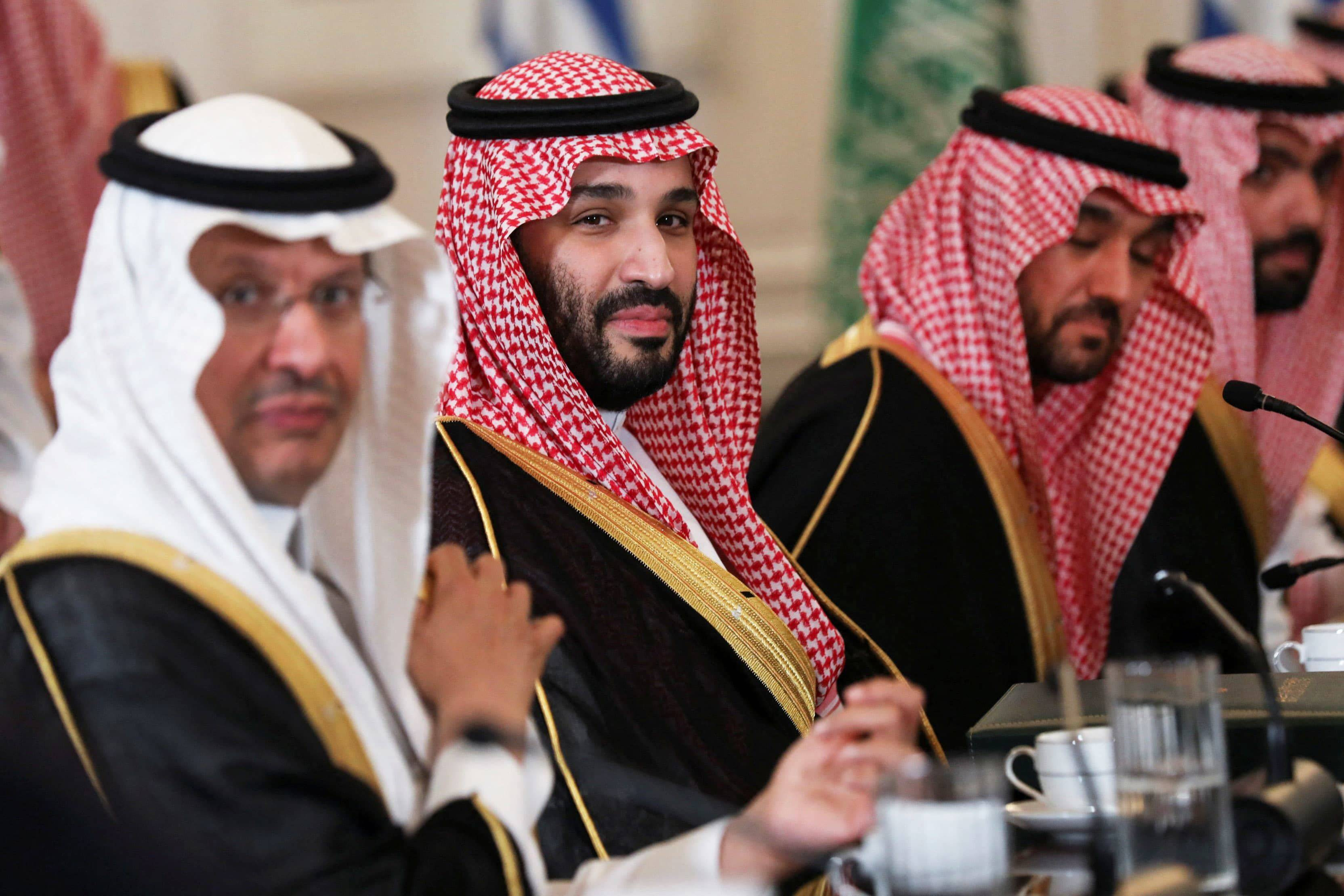
Gregory Garnier, the head of Bain & Company's private equity business in the Middle East, believes that "the Middle East is entering a period of dynamic growth and transformation, creating unprecedented opportunities for investors."
According to Bain & Company's latest global private equity report, driven by the recovery of global transactions, the Middle East is rapidly becoming a preferred destination for private equity investment.
It has been proven that the days when private equity tycoons and hedge fund magnates flew to the Gulf region, wined and dined, and left with huge transaction checks are long gone.
Sovereign wealth funds in the Middle East have keenly realized their importance to Western capital markets. More and more sovereign wealth funds are requiring asset management companies to conduct more activities locally, set up offices, and hire local residents.
Through initiatives such as Saudi Arabia's Vision 2030, the economic diversification strategies of the United Arab Emirates, and Qatar's long-term plan, governments in the Middle East actively support private equity investment. The core appeal is to achieve economic diversification and no longer rely on oil profits.
With the acceleration of economic diversification in the Gulf region, the measures supported by local governments are driving investments in technology, renewable energy, and infrastructure. Startups in these fields are precisely high-quality targets of private equity investment.
Henry McVey, the head of global macro at KKR, pointed out in a recent report that KKR is optimistic about investment opportunities in infrastructure, private credit, and asset-secured loans in the region.
The maturity of local companies has made them more attractive to foreign buyers, and the hot IPO market has also opened the door for private equity investment to profit through company listings.
According to the EY Middle East and North Africa IPO report for the fourth quarter of 2024, there were 54 IPOs in the Middle East and North Africa region in 2024, with a total financing of $12.6 billion. Compared with 2023, the number of IPOs in 2024 increased by 12.5%, and the fundraising amount increased by 17.6%.
However, it should be noted that it is still rare for private equity investment to exit through IPOs in the Gulf region. Due to the reluctance of company owners to sell, valuations may also fluctuate significantly. This also means that there is still great room for growth in this business in the future.
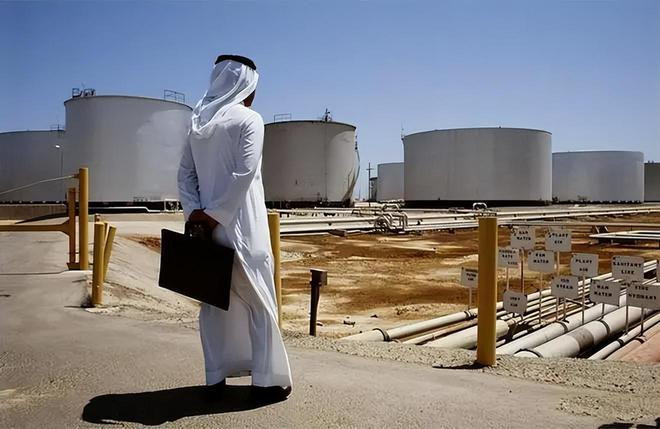
Nevertheless, oil prices and geopolitics still affect the investment sentiment in the region. According to an analysis by Bloomberg, despite the high investment enthusiasm, due to the volatility of oil prices and geopolitical uncertainties, investment in the Middle East remains very challenging. However, the market turmoil triggered by Trump's tariff policies may further enhance the attractiveness of the region.