
Have the Tariffs Tilted the Fed’s Hand?

What Changed the Fed’s Rate Call?
In a stunning pivot, Wall Street heavyweights have dramatically delayed their bets on Federal Reserve rate cuts. Goldman Sachs now pegs the first cut in December—five months later than previously expected. Barclays has pushed its forecast back to December from July, and Citigroup nudged its projection from June to July. Why the sudden shift? Traders and analysts point to loosening financial conditions over the past month, mixed signals from inflation data, and the lingering sting of President Trump’s tariff blitz.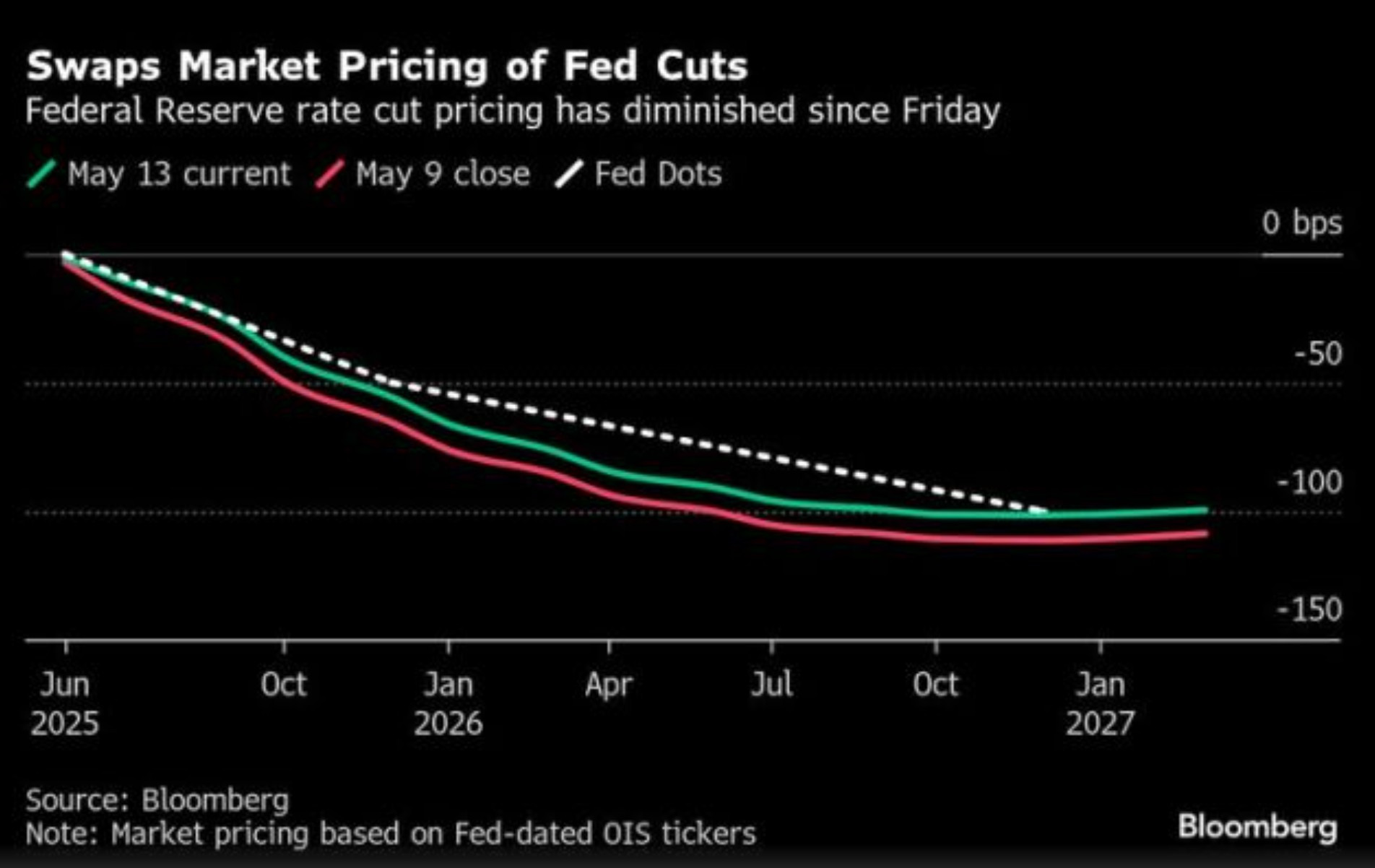
Markets Dial Back on Cuts
Just days ago, the market was pricing in about 75 basis points of rate reductions before year’s end. Now, that’s down to roughly 55 basis points, with traders eyeing September—if cuts come at all. Two‑year Treasury yields, especially sensitive to Fed policy, spiked 12 basis points on Monday, briefly puncturing the 4% mark as investors recalibrated their assumptions.
“Tariffs Are Still in the Driver’s Seat”
Fed Governor Michelle Bowman sounded a cautionary note on May 12th. Despite a thaw in U.S.–China trade tensions, she warned that existing tariffs “may continue to impart significant economic effects.” Her message: the drag on growth and lift to inflation from duties on steel, autos, and other imports hasn’t fully played out. At current levels—still well above multi‑decade norms—tariffs represent a potent supply shock that’s likely to keep policymakers on hold.
Consumer Prices: Calm Before the Storm?
April’s Consumer Price Index offered a brief reprieve, with headline inflation rising 0.2% month‑over‑month and easing to 2.3% year‑over‑year—the slowest pace since February 2021. Gasoline’s decline was a key contributor, quelling some rate‑cut chatter. Yet economists caution that these figures mask incoming tariff impacts. Pantheon Macroeconomics warns that the cost pressures from new duties are simply “on the horizon,” while Bank of America’s Oliver Allen notes, “We haven’t yet felt the full tariff pinch.”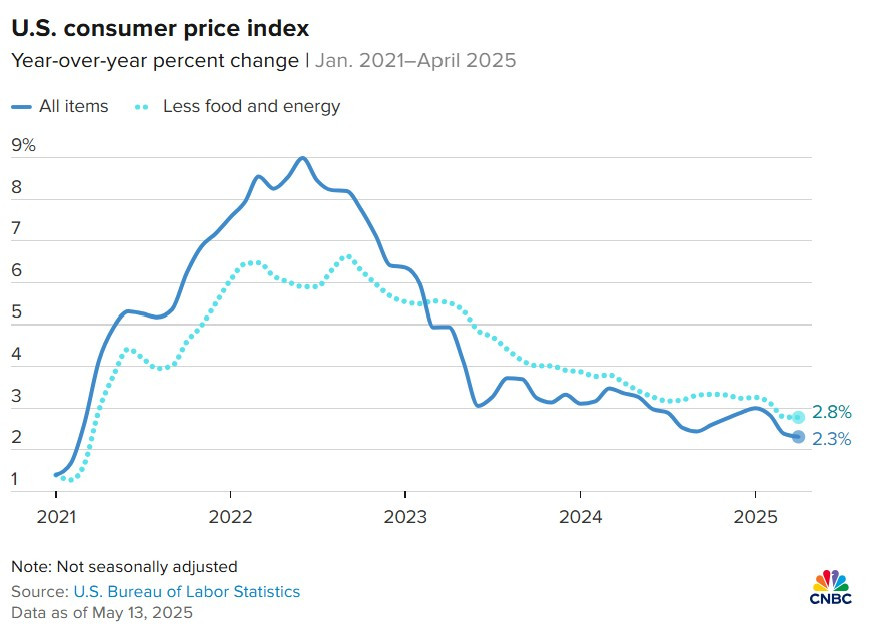
Did April’s CPI Fool the Fed?
“If tariffs hadn’t kicked in, policymakers might be cutting now,” observes veteran Fed reporter Nick Timiraos. President Trump’s recent social‑media plea—“No inflation… Fed must cut rates”—falls flat when up‑front data look benign. But as Timiraos explains, April’s CPI was “the calm before the storm,” and with additional duties rolling out, “we’re still bracing for rain.”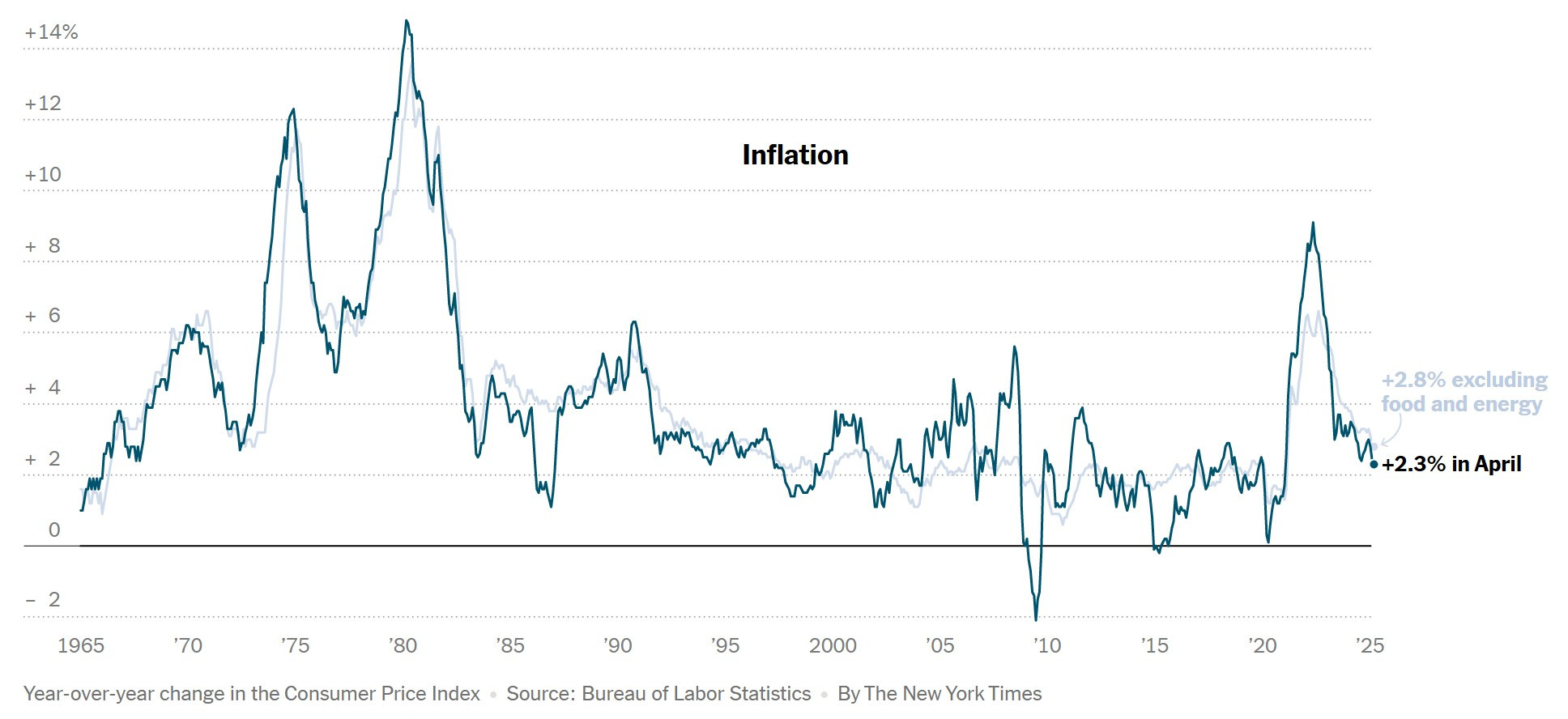
Auto Prices Signal Trouble
Concrete signs of tariff spillovers are emerging. Kelley Blue Book data show new‐car prices jumped in April—a direct nod to the 25% duties on Mexico and Canada imports. And as dealer inventories thin out, sticker prices could climb further. For a sector where margins are already razor‑thin, the burden is real.
Corporate Caution and Consumer Worry
Corporate America is far from complacent. Morgan Stanley reports that firms mentioned tariffs more on earnings calls than ever before, with nearly 30 withdrawing outlooks due to the trade uncertainty. From autos to industrials, executives are scrambling to hedge costs or delay investment. Consumers, meanwhile, face another squeeze: furniture, electronics, and even audio gear could see higher tags in coming months.
Trading the Fed’s Track
Options traders have taken note, ramping up positions that bet on no cuts at all for 2025. The market’s shifting view is stark: from expecting multiple rate retreats to bracing for a single cut—and that only if inflation heads decisively lower. This risk‐averse posture has powered a steepening in the yield curve and heightened volatility in interest‐rate futures.
Is the Fed on Hold?
Fed Chair Jay Powell and his colleagues are acutely aware of these dynamics. In speeches lined up this week, they’ll dissect how tariffs, supply chains, and labor markets intersect. Bowman’s warning that “we’re prepared for any macroeconomic shifts” underscores the Fed’s cautious stance. While household spending remains robust, rising import costs threaten to erode real incomes and dampen growth.
Looking Ahead: Storm Clouds or Silver Linings?
So what’s next? Goldman Sachs’s strategists have raised their full‑year GDP forecast to 1% growth in Q4, citing recent financing tailwinds. They’ve also trimmed their core PCE inflation peak to 3.6% from 3.8%. But they stress that “further trade‐policy shifts” could change the calculus again.
Morgan Stanley analysts add a sobering note: unless 10‑year Treasury yields dip below 4.5%, equity valuations may face resistance. And with tariffs still fluctuating like a policy roller coaster, the Fed seems unlikely to reward markets with rate cuts until the fog clears.
Should Investors Brace for a Bumpy Ride?
With all eyes on trade talks and tariff announcements, the next CPI and PCE releases will be scrutinized for signs of imported inflation. If consumer prices re-accelerate, traders may push out rate‐cut bets even further—potentially into next year. Conversely, a sustained decline in core inflation could finally open the door for policymakers to pivot.
Tariff Trap or Policy Pivot?
In the end, the big question remains: have tariffs permanently altered the Fed’s playbook? Or will the central bank find a path back to easing once headline pressures ease? For now, markets are betting on caution—and delaying their countdown to the first rate cut by months. Whether they’re right could hinge on factors beyond the Fed’s control: global trade tiffs, supply‐chain snags, and political crosswinds in Washington.
Only one thing seems certain: in today’s tariff‑tainted environment, monetary policy has become a high‑wire act without a safety net. Investors, businesses, and consumers alike will be watching closely to see if the Fed chooses stability over stimulus—or vice versa.
This content is provided for informational or educational purposes only and does not constitute investment advice.