
Is the Tariff Shock Cooling US Inflation?

In a surprise twist, April’s economic indicators painted a mixed picture: retail sales managed a modest uptick even as producer prices plunged, hinting that the cost pressures from new tariffs may be weighing on wholesale margins more than consumer wallets—for now.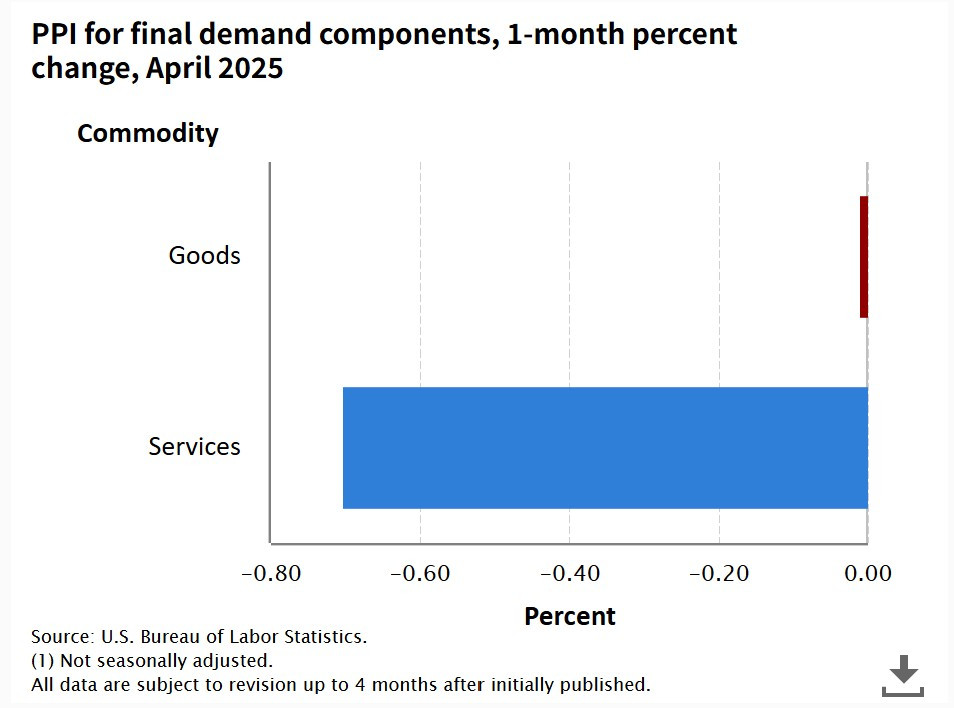
Tepid Retail Growth Signals Caution
April’s retail sales rose by just 0.1% month‑over‑month, slightly surpassing the flat reading economists had penciled in but far below March’s robust 1.5% gain. On the surface, any positive growth in consumer spending is reassuring: it remains the engine of roughly two‑thirds of US economic activity. Yet the sharp deceleration from the prior month raises fresh doubts about whether households will maintain their momentum through the tariff‑driven uncertainty ahead. Are consumers simply digesting price hikes at the checkout, or are they pulling back in anticipation of sticker shock?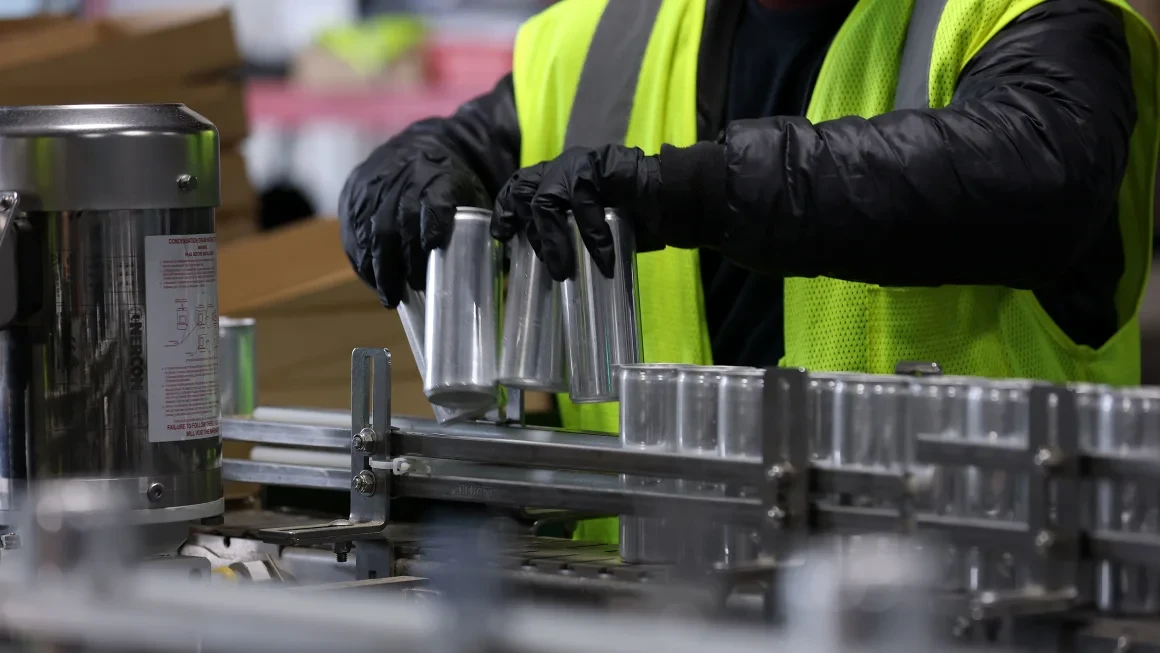
PPI Plunge: A Wholesaler’s Warning?
Wholesale prices told a dramatically different story. The Producer Price Index (PPI) not only undershot consensus—it recorded its largest monthly drop since April 2020, sliding 0.5% when analysts had forecast a 0.2% increase. Year‑over‑year, PPI decelerated to 2.4%, marking the third consecutive annual decline and the lowest pace since last September. Stripping out volatile food and energy components, core PPI fell by 0.4%, the steepest retreat on record dating back to 2015. This suggests producers and wholesalers are absorbing higher input costs rather than passing them on to retailers—at least for the moment.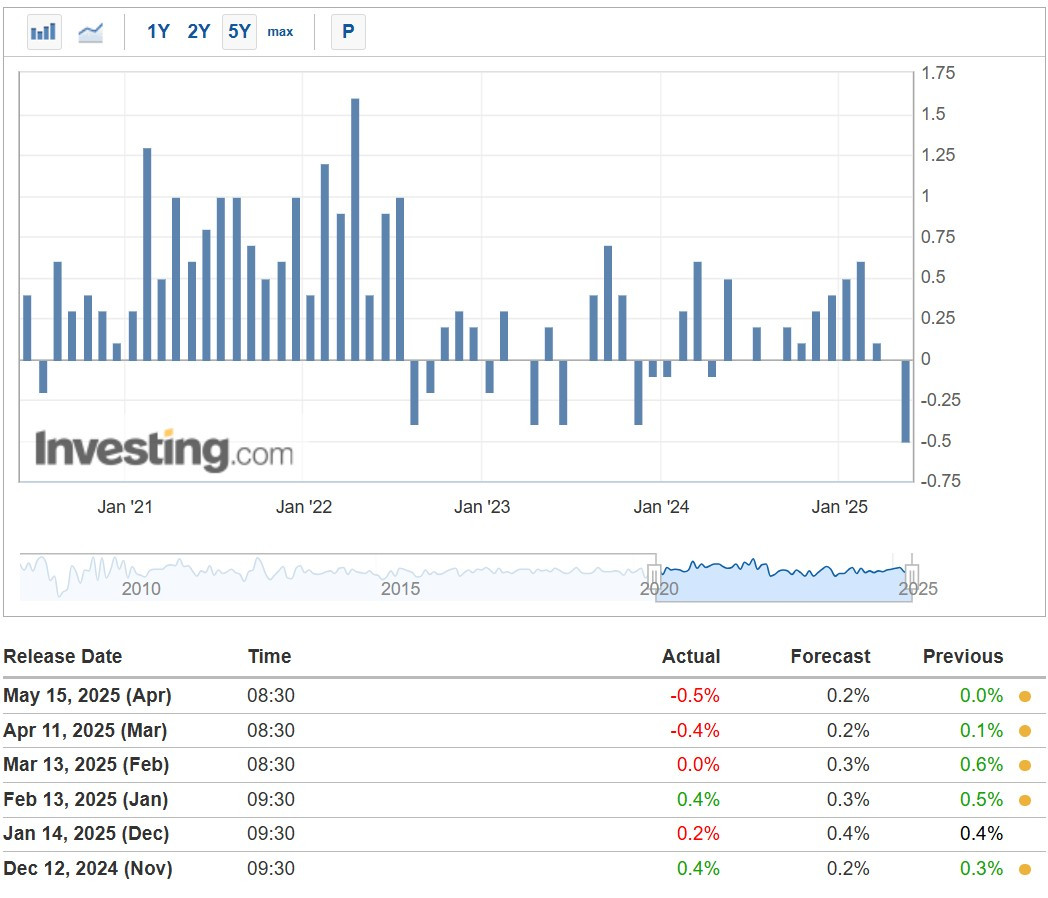
Can Tariffs Drain Consumer Confidence?
President Trump’s early‑April announcement of sweeping reciprocal tariffs on major trading partners was designed to shore up domestic producers by raising the cost of imported materials. The initial PPI report after that announcement offers a glimpse into the early fallout. In industries like aluminum, costs jumped for mills forced to pay steeper import fees—yet margins in trade services plunged 1.7%, highlighting that middlemen are feeling the squeeze. With profit margins eroding, wholesalers may decide to buffer their bottom lines by raising prices further down the line—potentially at the retail level, which could douse consumer enthusiasm.
What’s Next for Fed Policy?
Federal Reserve Chair Jerome Powell took the podium just ten minutes after the PPI release, offering his first public remarks since the Fed held rates steady for a third meeting in a row. While he stopped short of commenting on policy imminently, Powell signaled that the Fed is re‑examining its framework for evaluating “shortfalls” in employment and “average” inflation targets. He anticipates April’s core PCE measure to hover around 2.2% and acknowledged that higher real interest rates may reflect a world of more frequent supply shocks—posing challenges for both the economy and monetary policymakers.
Framework Overhaul and Future Outlook
Powell reminded listeners that the Fed adopted its current policy framework five years ago and is now conducting a comprehensive review, likely concluding by late summer. Crucially, he emphasized that this assessment won’t alter the mechanics of setting interest rates today. Instead, the review aims to ensure that policy tools remain effective amid post‑pandemic reshaping of inflation dynamics. With real rates elevated—and the specter of new tariffs potentially prolonging input‑cost volatility—the Fed is focused on anchoring inflation expectations to prevent a slide into unmoored price swings.
Key Takeaways
- Consumer Resilience vs. Caution: A 0.1% rise in retail sales beats forecasts but pales beside March’s gains, leaving room for doubt on spending durability if tariffs bite deeper.
- Wholesale Squeeze: PPI’s unexpected 0.5% drop, led by a collapse in trade‑service margins, suggests firms are shouldering higher costs, with consumer pass‑through delayed but inevitable.
- Tariff Transmission Lags: From raw aluminum to finished cans, the layering of producers means higher import duties may take months to reach store shelves—a lagged but real inflation risk.
- Fed’s Strategic Pivot: Powell’s speech underscores a “big picture” reevaluation of policy language and targets, without immediate rate changes, against a backdrop of more persistent supply shocks.
- Eyes on Summer Review: The Fed’s framework review, due this August or September, could recalibrate how the central bank balances growth, employment, and inflation as the economy adapts to post‑pandemic and tariff pressures.
While April’s data offer momentary relief on the consumer front, the wholesale price collapse is a cautionary tale of squeezed margins threatening to feed through to shoppers. As the Fed weighs its long‑term policy playbook, investors and policymakers alike must navigate this new terrain—where supply shocks, tariffs, and shifting inflation patterns redefine the road ahead.
This content is provided for informational or educational purposes only and does not constitute investment advice.