
Could Trump Undermine the Dollar’s Global Safety Net?

In a world still reeling from pandemic shocks and geopolitical tensions, the U.S. Federal Reserve finds itself at the center of three converging storms: the potential unraveling of its currency swap lines under a Trump administration keen on unorthodox tools; a looming overhaul of its policy framework that could open the door to lower rates; and a growing bearish consensus on the dollar fueled by tariff worries and wavering confidence in American policymaking. Together, these trends pose critical questions about the future of the dollar’s dominance, the Fed’s credibility, and global financial stability.
Is the Global Dollar Safety Net in Jeopardy?
Since the 1960s, the Fed’s network of bilateral dollar swap lines with 14 other central banks has acted as a vital backstop in times of stress, supplying liquidity that prevented market freezes during the 2008–09 crisis. Yet foreign officials now worry that a Trump administration, eager to leverage every tool to shrink the U.S. trade deficit, might weaponize—or simply withdraw—these arrangements. Stripping away this “public good” would not only undermine allied confidence but could boomerang back on U.S. borrowers, as offshore dollar markets are tightly linked to domestic credit costs.
Political advisors like Stephen Miran and Robert Lighthizer have floated ideas for capital-account interventions, suggesting that forced reductions in foreign dollar holdings might curb the trade imbalance. But these proposals ignore that foreign reserves have a self-insurance rationale: emerging economies learned in the 1997 Asian crisis that unlimited dollar buffers are their best defense when IMF support is unavailable or politically fraught. Without Fed swap lines or IMF aid, reserve hoarding would intensify, paradoxically fueling America’s capital-account surplus and trade deficit. Such a move would mark a stark shift away from the interdependence that has underpinned the dollar’s role as the world’s reserve currency.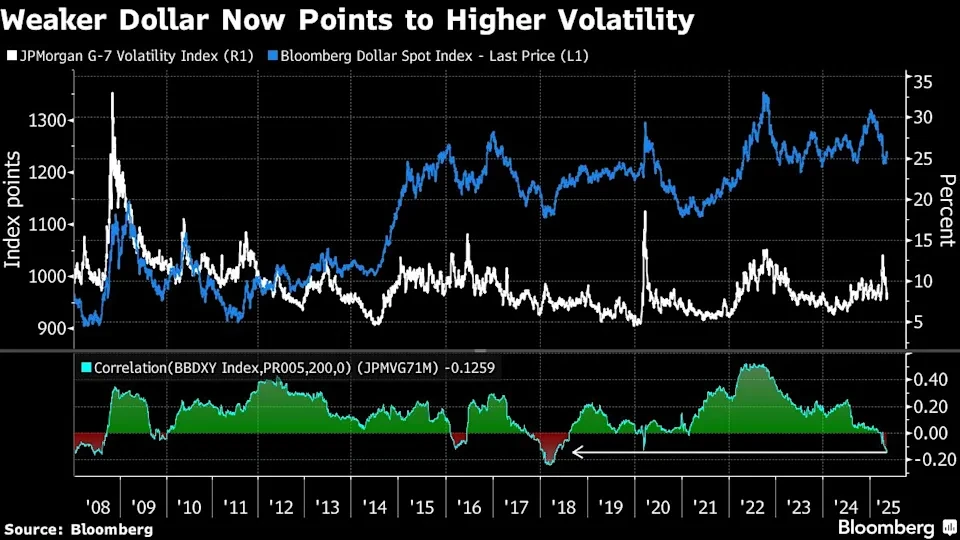
How Might the Fed’s Framework Shift Unfold?
In his May 15 remarks at the Thomas Laubach research conference, Chair Jerome Powell confirmed that a routine five-year review of the Fed’s “long-run goals and monetary policy strategy” is underway, with potential revisions due at the Jackson Hole symposium in late August. The 2020 framework introduced average inflation targeting—explicitly allowing overshoots to make up for past shortfalls—and broadened the definition of “maximum employment.” But as high inflation has persisted, the logic of averaging has backfired, and the once-flexible employment mandate now clashes with signs of labor-market loosening.
The expected 2025 revisions will likely abandon the average-inflation language, instead emphasizing long-term stability of inflation expectations while tolerating short-term deviations above 2%. This tweak could unlock more room to cut rates if growth falters, a boon for bond markets reeling under high yields. Whether the employment component will see similar fine‑tuning remains open; some officials may introduce metrics like the Beveridge curve to guide policy, but wholesale changes appear less likely. Whatever the final language, markets have already priced in a more dovish tilt—yet real policy shifts will hinge on incoming data through summer.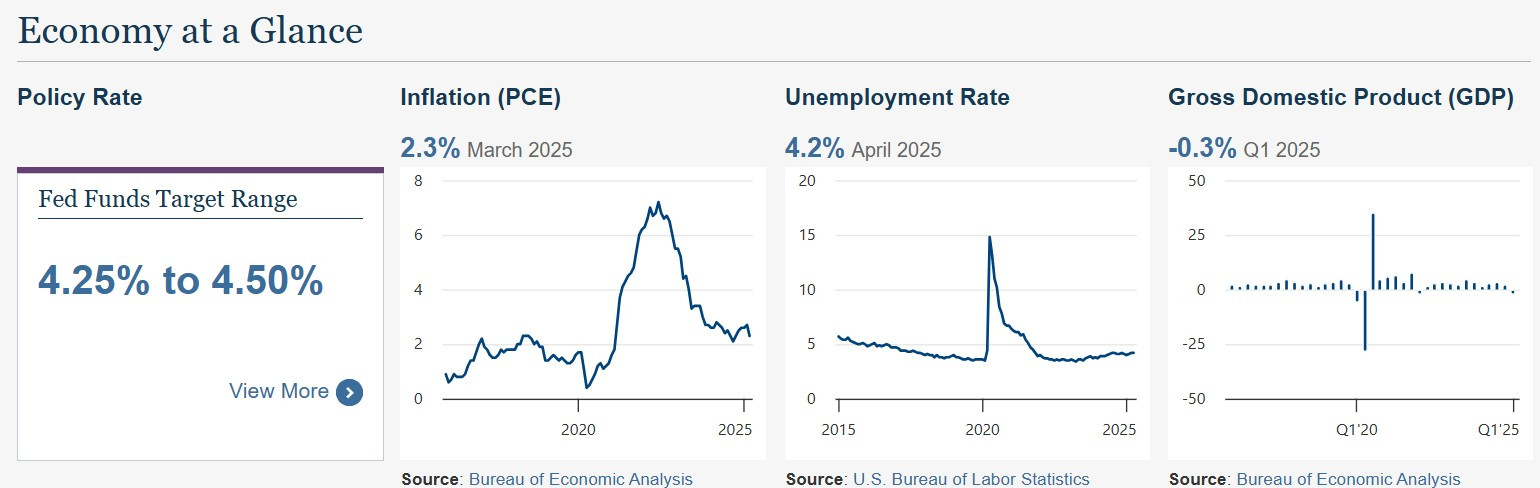
Will Tariffs Keep the Dollar Under Pressure?
Even a sharp rebound in U.S. equities has done little to stem the widespread pessimism on the dollar. JPMorgan and Deutsche Bank strategists see further depreciation ahead, while options traders are at their most bearish since 2020. Market participants point to erratic U.S. policymaking—and the specter of tariffs—as key drivers of declining currency appeal. A weaker dollar, they argue, could shore up domestic manufacturing by making exports cheaper, a goal consistent with the administration’s protectionist bent.
Goldman Sachs’s global currency chief, Kamakshya Trivedi, notes that the “America First” narrative is losing its shine, and that the dollar’s days of exceptionalism may be waning. Flows into U.S. Treasuries have slowed, and some foreign banks are reevaluating risk protocols tied to American assets. Notably, a decoupling of Treasury yields from dollar strength—especially against the yen—would signal a seismic shift, as Japanese investors have historically been the biggest purchasers of U.S. debt. Until policy direction stabilizes, traders will continue to price in a weaker greenback.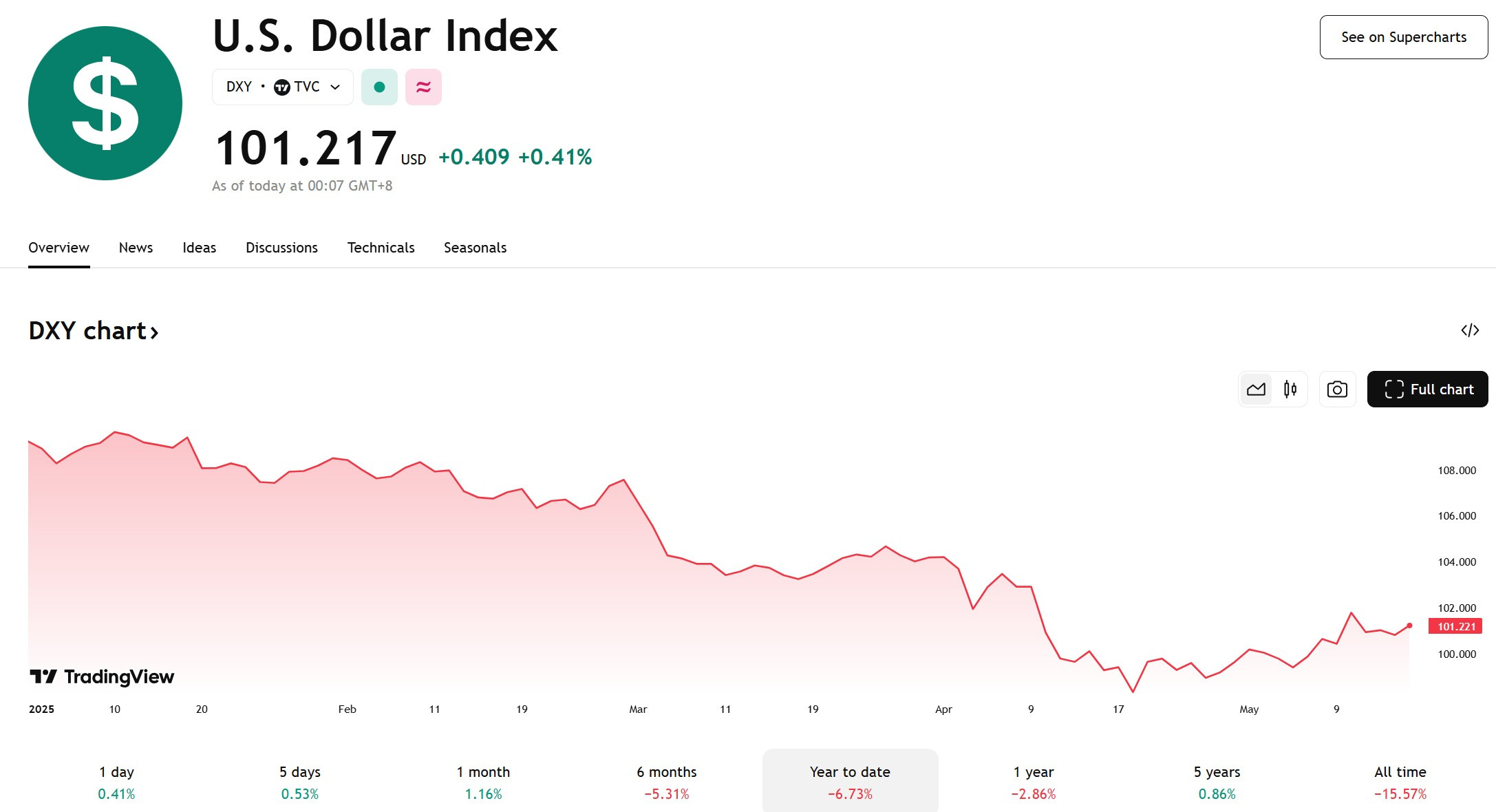
Global Capital Flows and U.S. Deficits
Underlying all these debates is a simple accounting identity: the U.S. trade deficit equals net capital inflows. Large-scale reserve accumulation by foreign governments has long financed America’s external gap. Swap lines offer central banks insurance without every dollar needing to sit on their balance sheets. Remove that insurance, and reserve hoarding grows, deepening the deficit and fueling global imbalances. Likewise, private investors have become a dominant marginal buyer of U.S. Treasuries in the past decade, a trend swap lines cannot address. Recent reports suggest China’s SAFE is trimming its dollar holdings, but official entities still account for about 20% of foreign ownership of U.S. long-term debt. Any move to curtail swap lines while encouraging official sellers would undermine the U.S.’s position as a safe-asset provider.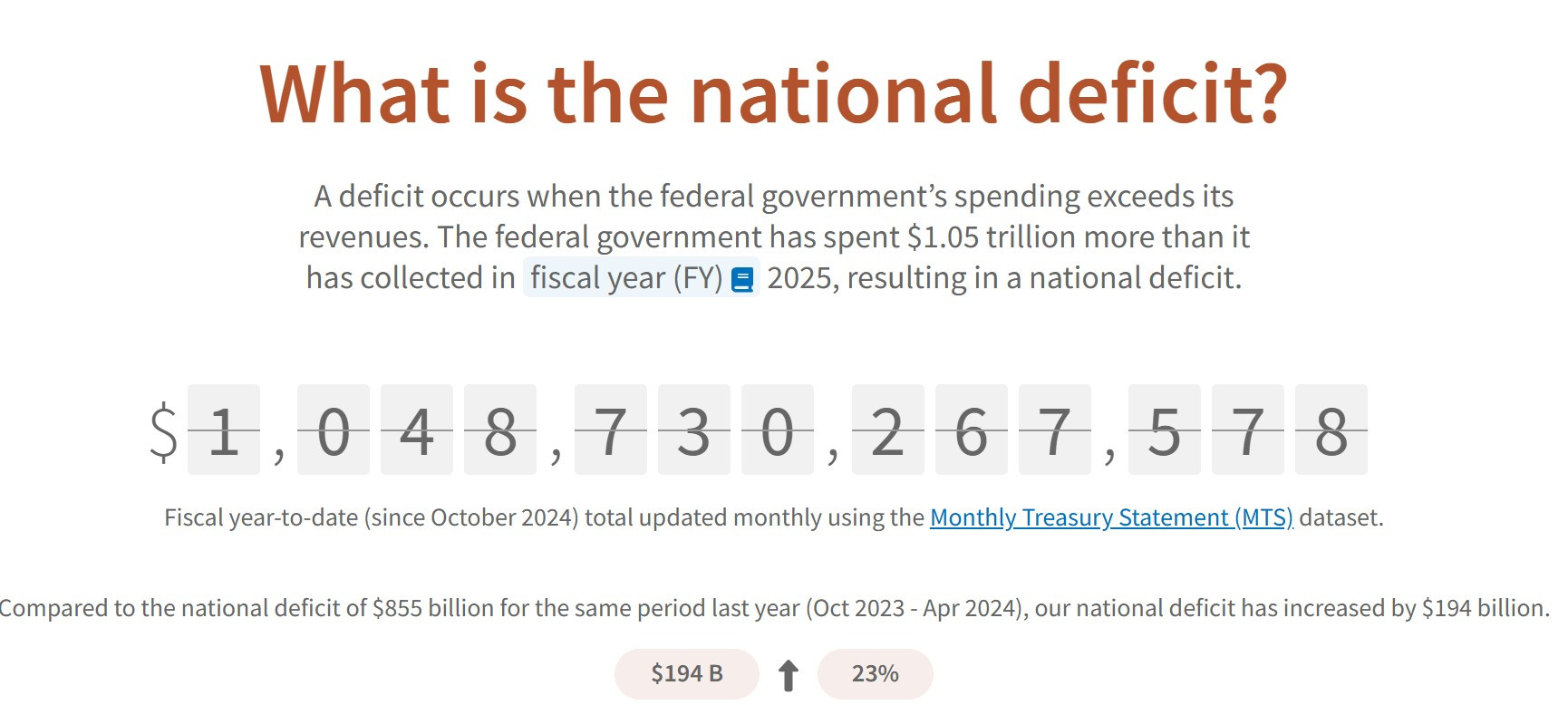
The Road Ahead for U.S. Monetary Policy
As Washington grapples with competing pressures—trade, inflation, and financial stability—the Fed stands at a crossroads. Preserving the swap network safeguards the dollar’s hegemony, while framework tweaks promise flexibility in an uncertain environment. Yet political forces threaten to upend this delicate balance. A dollar safety net without credibility is hollow; a policy framework without coherence is ineffective; and a currency under siege is a risk to everyone. With the next policy review just months away and global markets on edge, the Fed’s choices will reverberate far beyond American shores.
This content is provided for informational or educational purposes only and does not constitute investment advice.