
Are China’s Top Private Funds Doubling Down on US Stocks?

China’s leading private investment managers, Hillhouse Capital, Gaoyi Asset Management and Jinglin Capital, have all significantly increased their exposure to US listed Chinese equities in the first quarter, underscoring strong confidence in a domestic recovery amid a broader East rising and West falling market narrative. As fresh 13F filings reveal hefty new positions and additional allocations in sector heavyweights, these firms are signaling a bold and bullish stance on China’s long term growth trajectory.
What Is Driving the Surge in China Concept Stocks?
All three firms have ramped up their stakes in so called China concept names: companies based in China but listed in the US or Hong Kong. Their rationale combines macro optimism with selective stock picking. Beijing’s recent policy support, signs of a consumer rebound and clearer corporate earnings have lured global capital back to names like Alibaba, JD.com and NetEase. At the same time, US regulatory uncertainties and shifting market themes have prompted other investors to take profits, creating opportunities for China focused managers to buy shares at attractive valuations.
Hillhouse’s Bold Moves
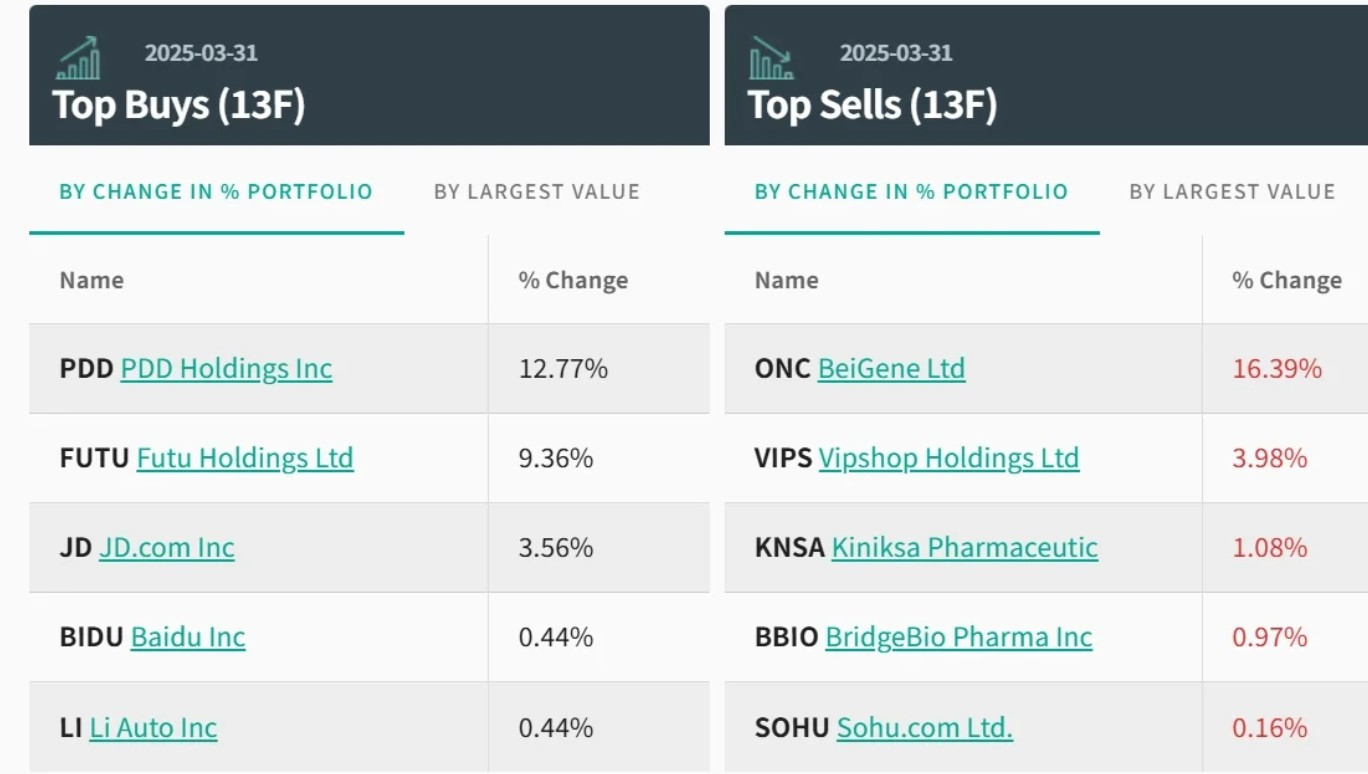
Hillhouse affiliate HHLR Advisors expanded its total US holdings from $28.9 billion at the end of 2024 to $35.4 billion by March 31, a jump of nearly 23 percent. Nine of its top ten holdings are Chinese concept stocks, led by Pinduoduo, Alibaba and Futu Holdings. New positions included Baidu, Li Auto and BOSS Zhipin, while existing stakes in JD.com and NetEase were increased further. Even after locking in gains by trimming Alibaba and BeiGene – whose shares rose 56 percent and 47 percent respectively – the fund’s appetite for Chinese equities remains clear.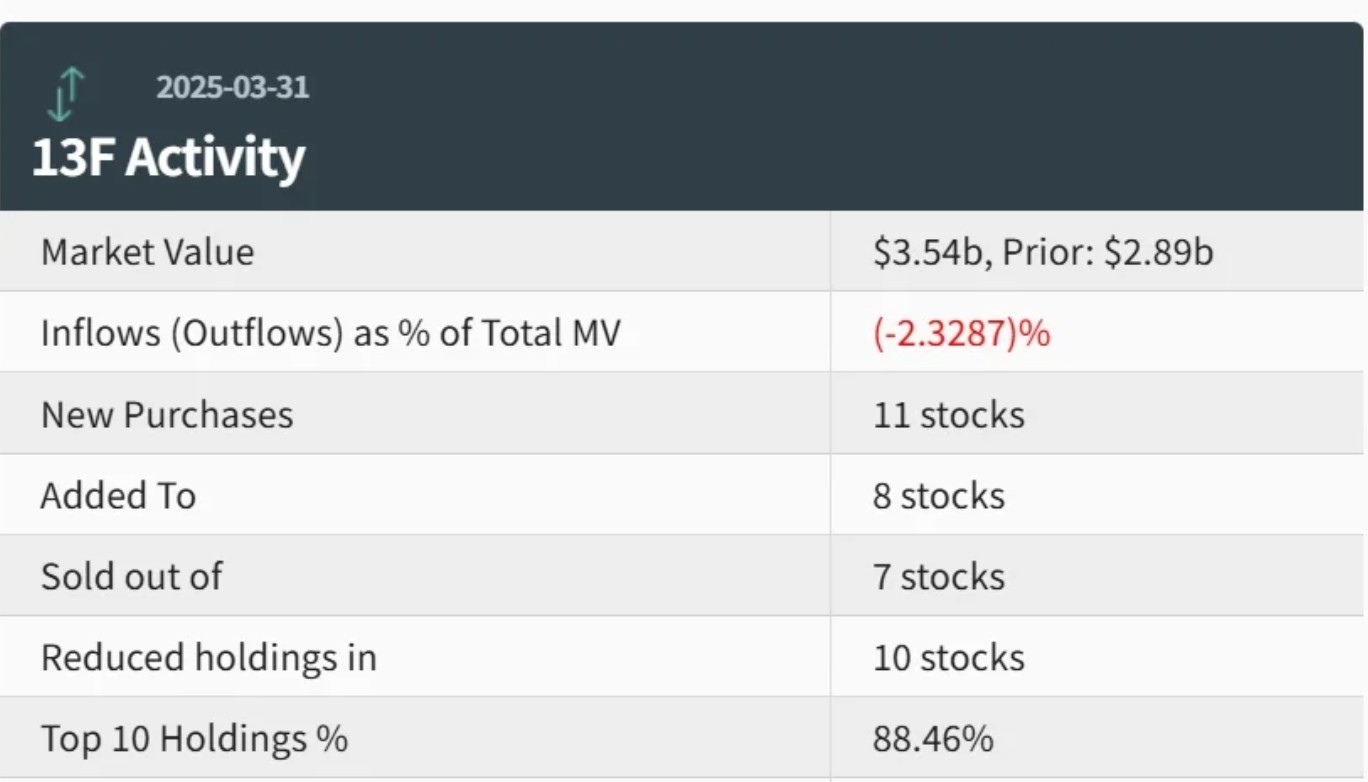
Can Gaoyi’s Strategy Outperform?
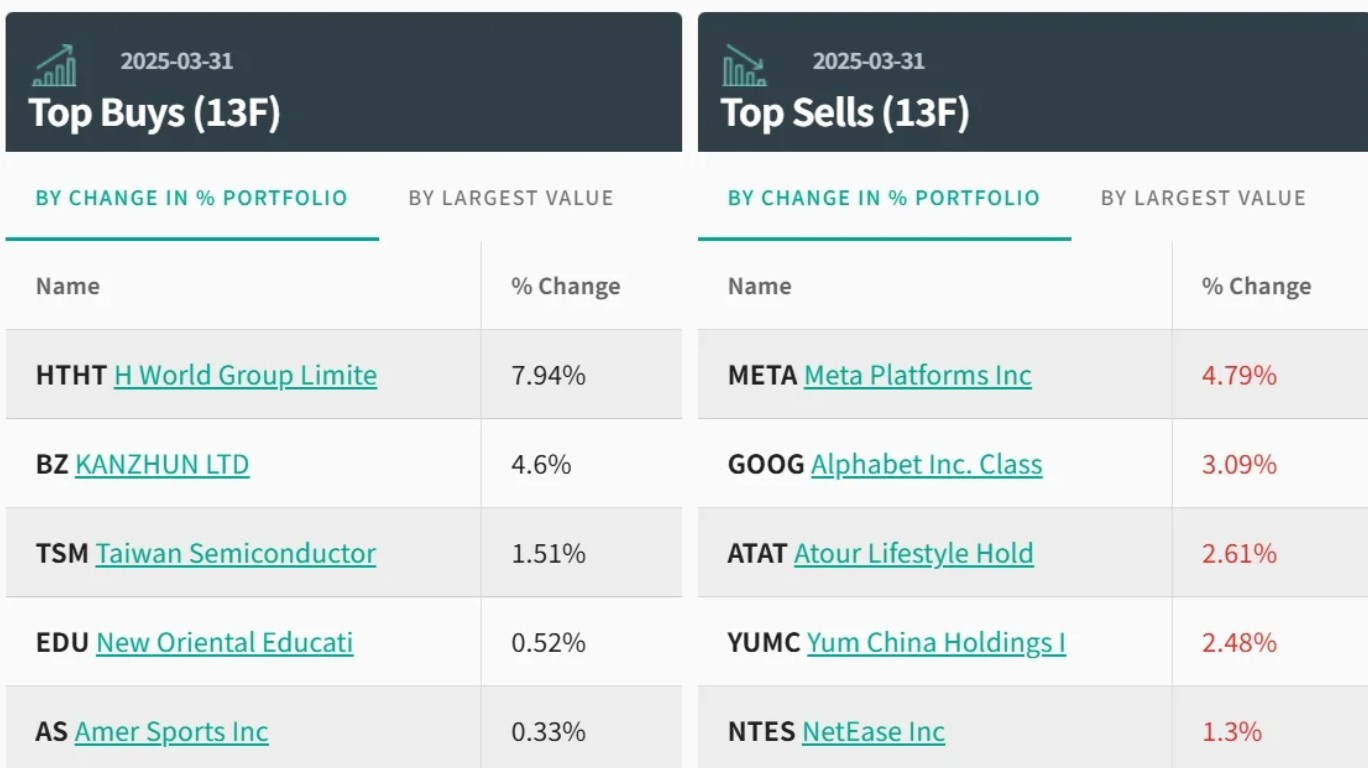
Gaoyi Asset Management took a more targeted approach, lifting its US portfolio from $740 million to $770 million. It added or increased positions in six stocks: Huazhu Group, BOSS Zhipin, Trip.com, TSMC, iQIYI and New Oriental Education. The largest move was a 131 million share increase in Huazhu, now its biggest holding, followed by a 174 percent rise in BOSS Zhipin. To fund these purchases, Gaoyi reduced its Meta stake by 80 percent and cut back on Google and YUM China. Yet top Chinese names still dominate, reflecting a high conviction in companies with strong domestic moats.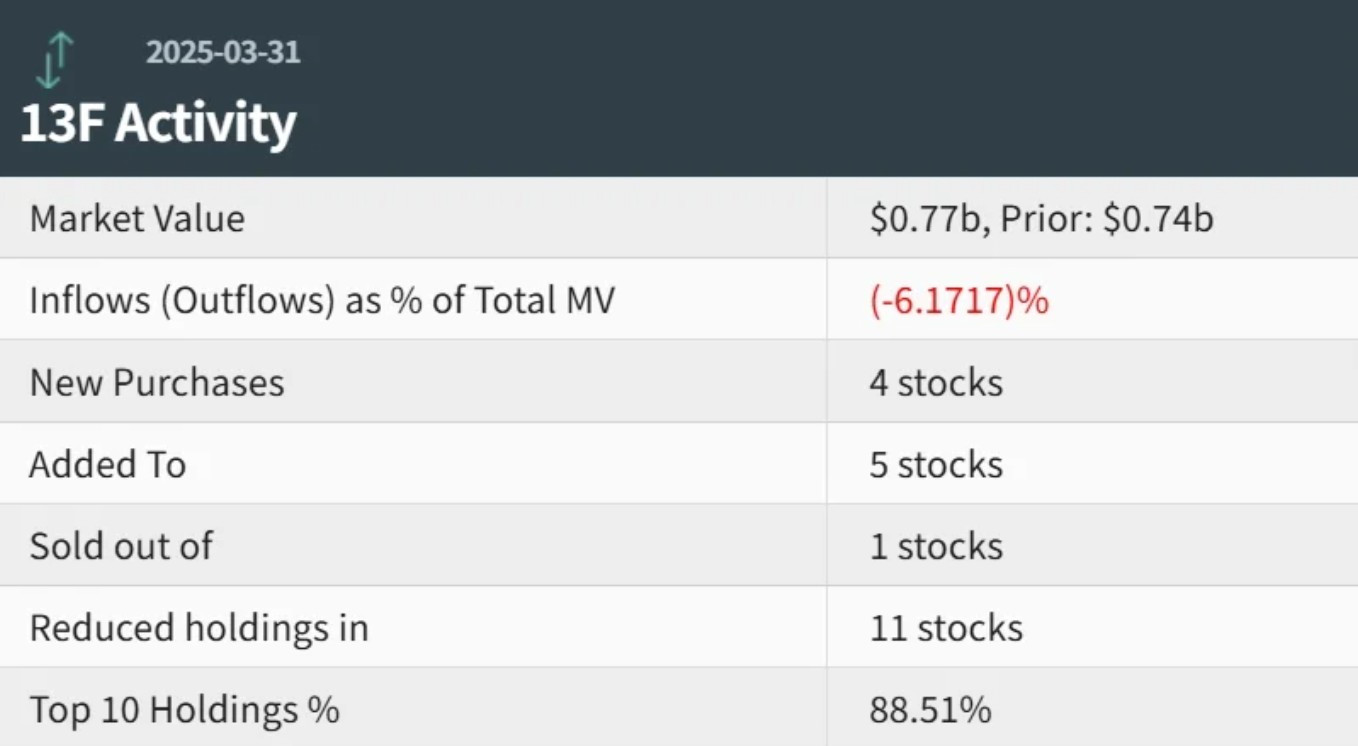
Jinglin’s Steady Conviction
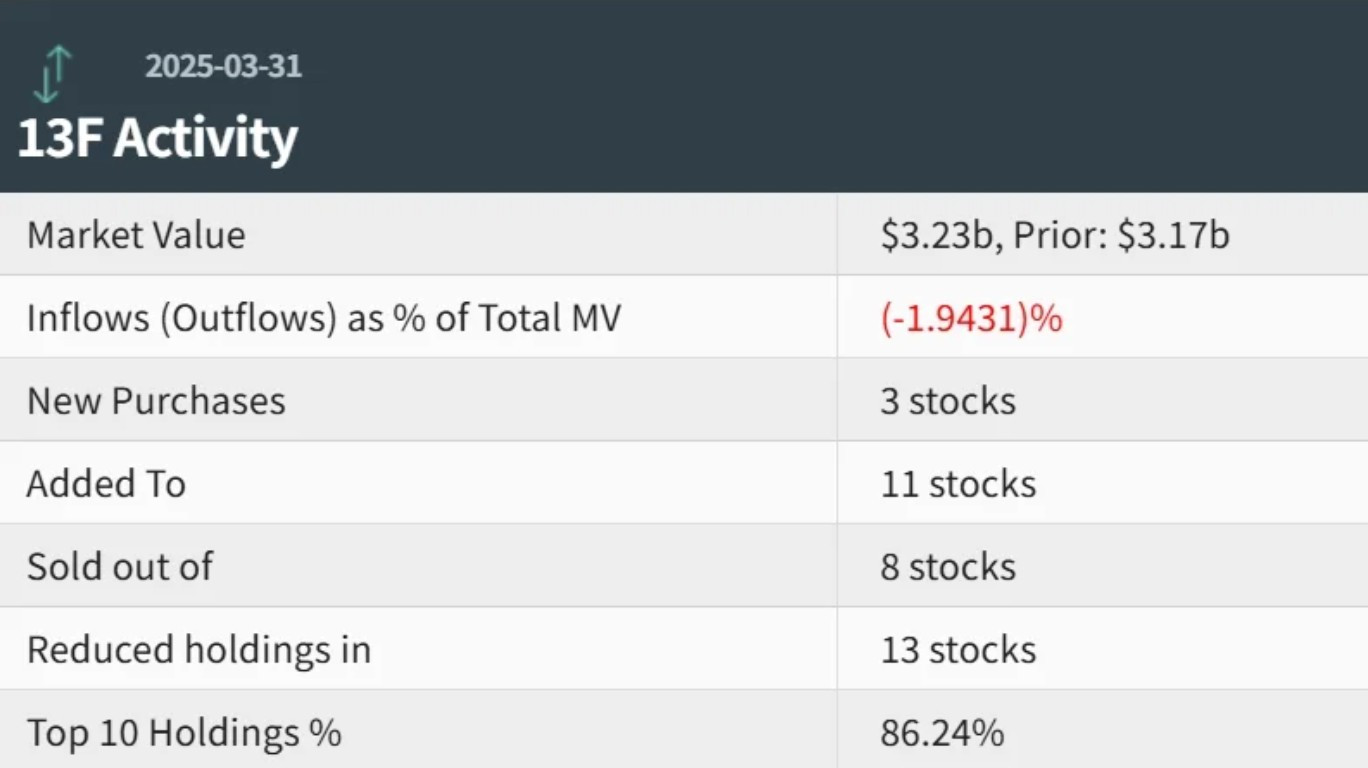
Jinglin Capital also showed confidence in China’s recovery, raising its US book from $3.17 billion to $3.23 billion. Among new commitments, Futu, KE Holdings (Beike) and Alibaba topped the list, with Futu shares up nearly 50 percent. Although Jinglin modestly reduced its NetEase holding, eight of its ten largest positions remain Chinese concept stocks. Jinglin partner Gao Yuncheng has said that geopolitical shifts and evolving supply chains have turned Chinese companies from undervalued names into magnets for global capital.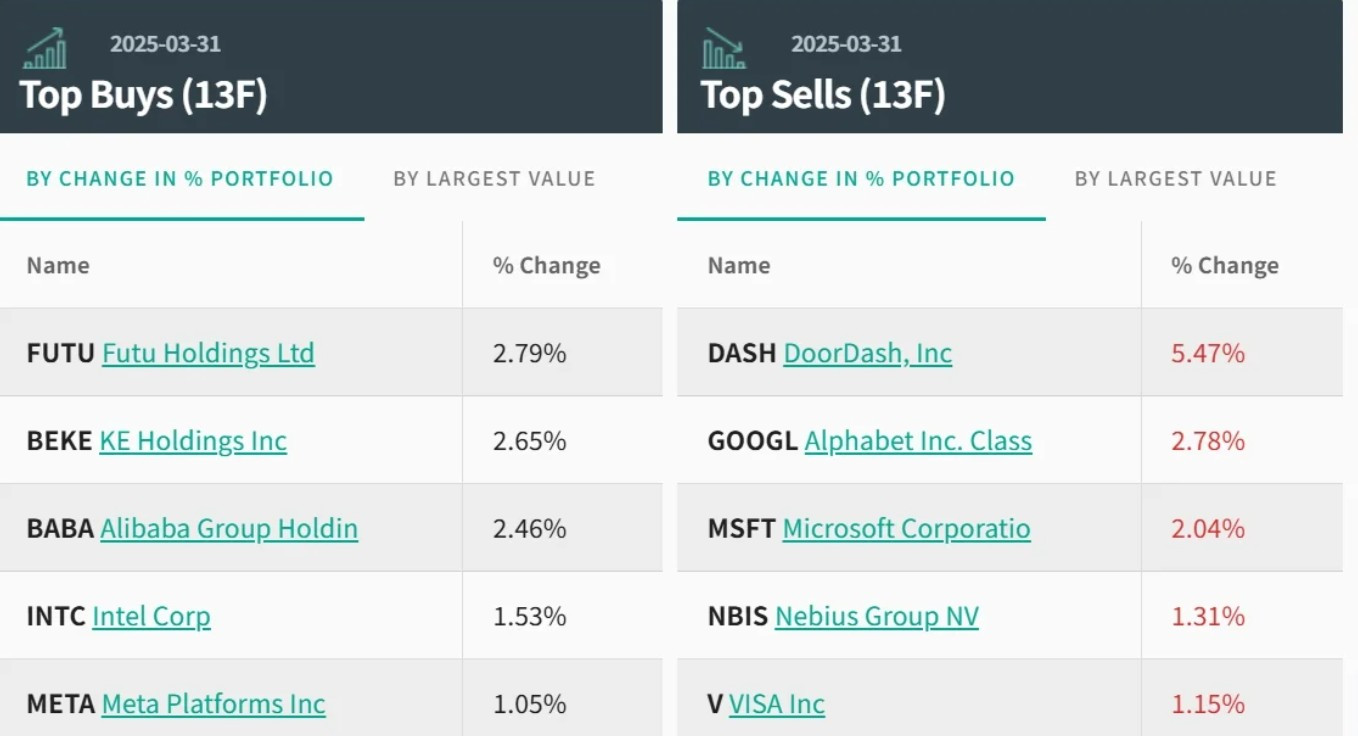
Where Does Li Lu Stand?
"China’s Buffett," Li Lu of Himalaya Capital, also filed his 13F report. Mirroring Warren Buffett, Li cut his Bank of America stake by 23 percent and trimmed positions in Alphabet and Apple. Unlike the other managers, Li made few new China concept purchases, instead locking in profits on US financial and tech leaders. His total book fell from $2.71 billion to $2.21 billion, with his top three holdings remaining Bank of America, Berkshire Hathaway and Alphabet. This measured stance highlights a recognition of both China’s opportunities and US market risks.
Bottom Line: First quarter filings from Hillhouse, Gaoyi and Jinglin paint a clear picture: China’s stock market rebound has drawn its most sophisticated private managers back into US listed Chinese champions. Whether this bullish tilt pays off will depend on sustained policy support, regulatory clarity and corporate performance. For global investors assessing the East rising narrative, these insider moves offer both a compelling signal and a reminder: high conviction often comes with high stakes.
This content is provided for informational or educational purposes only and does not constitute investment advice.