
Has the U.S. Credit Shield Finally Cracked?

On May 16, Moody’s Investors Service downgraded the United States sovereign credit rating from Aaa to Aa1, marking the first time in history that all three major agencies have stripped America of its top‑tier “AAA” status. Citing soaring government debt—now exceeding the size of the economy—and a relentless rise in interest‑payment burdens, Moody’s warning shot sent Treasury yields higher and sparked modest sell‑offs in equity markets: a flagship S&P 500 ETF fell 1% in after‑hours trading, and the Nasdaq 100 ETF slid 1.3%. With annual federal deficits nearing $2 trillion—over 6% of GDP—and tariff‑driven growth headwinds looming, investors now wonder whether the world’s benchmark borrower can reclaim its fiscal footing.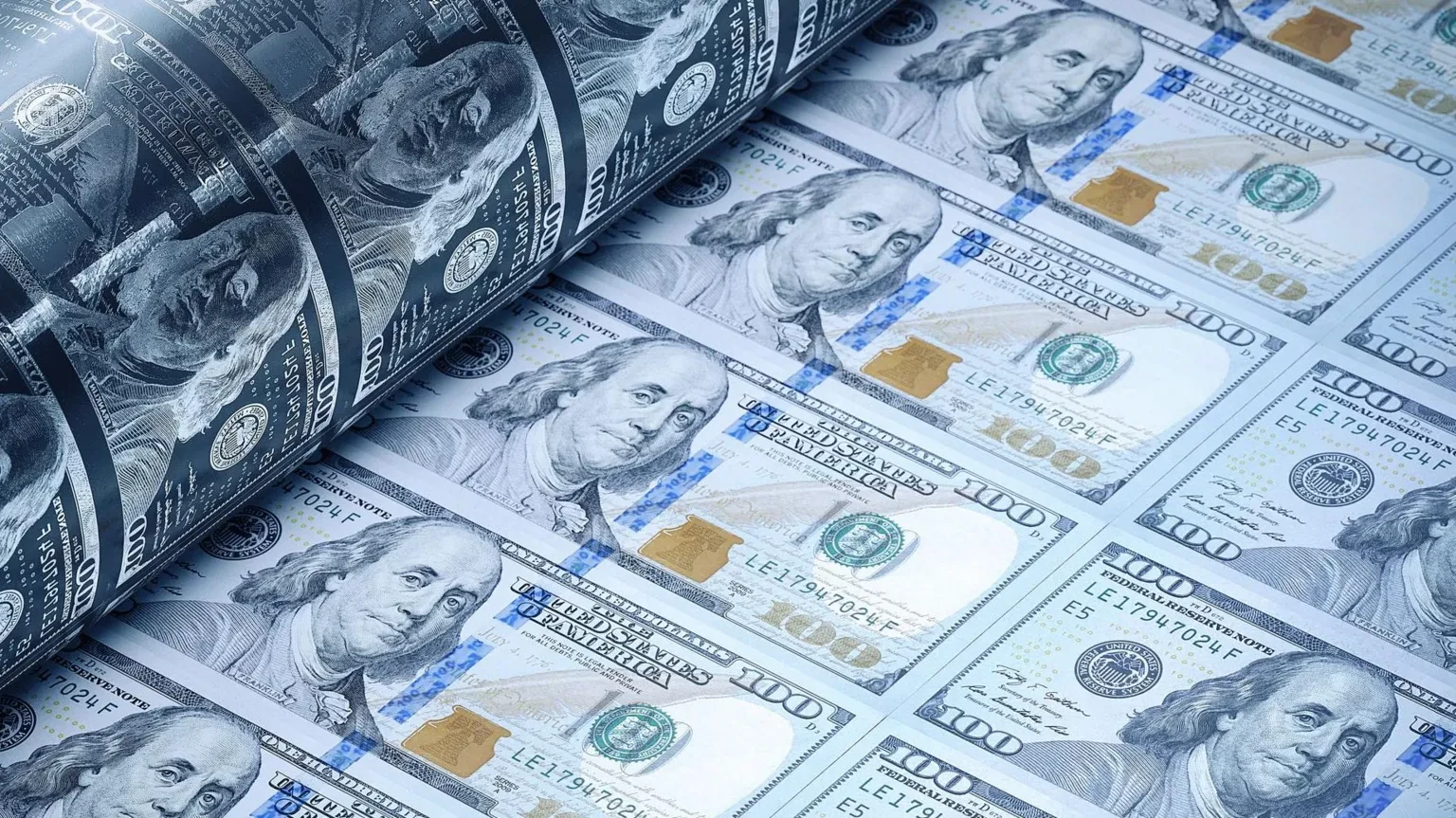
What triggered Moody’s historic downgrade?
- Ballooning debt and rising costs: Over the past decade, U.S. federal debt has swelled past its economic output, driven by pandemic relief, stimulus measures, and persistent annual deficits approaching $2 trillion—more than 6% of GDP. High interest rates have pushed the government’s debt‑service costs to levels well above those of peer nations with similar economic profiles.
Moody’s also warned that unpredictable tariff policies could slow growth, forcing higher government spending on unemployment benefits and stimulus—factors that, in their view, no longer fully offset America’s economic strengths.
Did markets panic this time?
Unlike the chaos of 2011, market reactions were measured. Bond yields ticked up as investors priced in higher borrowing costs, while major equity ETFs retreated modestly. Crucially, post‑2011 revisions to collateral contracts now define “government securities” broadly, removing triggers for forced Treasury liquidations based purely on rating changes—meaning no mechanical dumping of U.S. debt.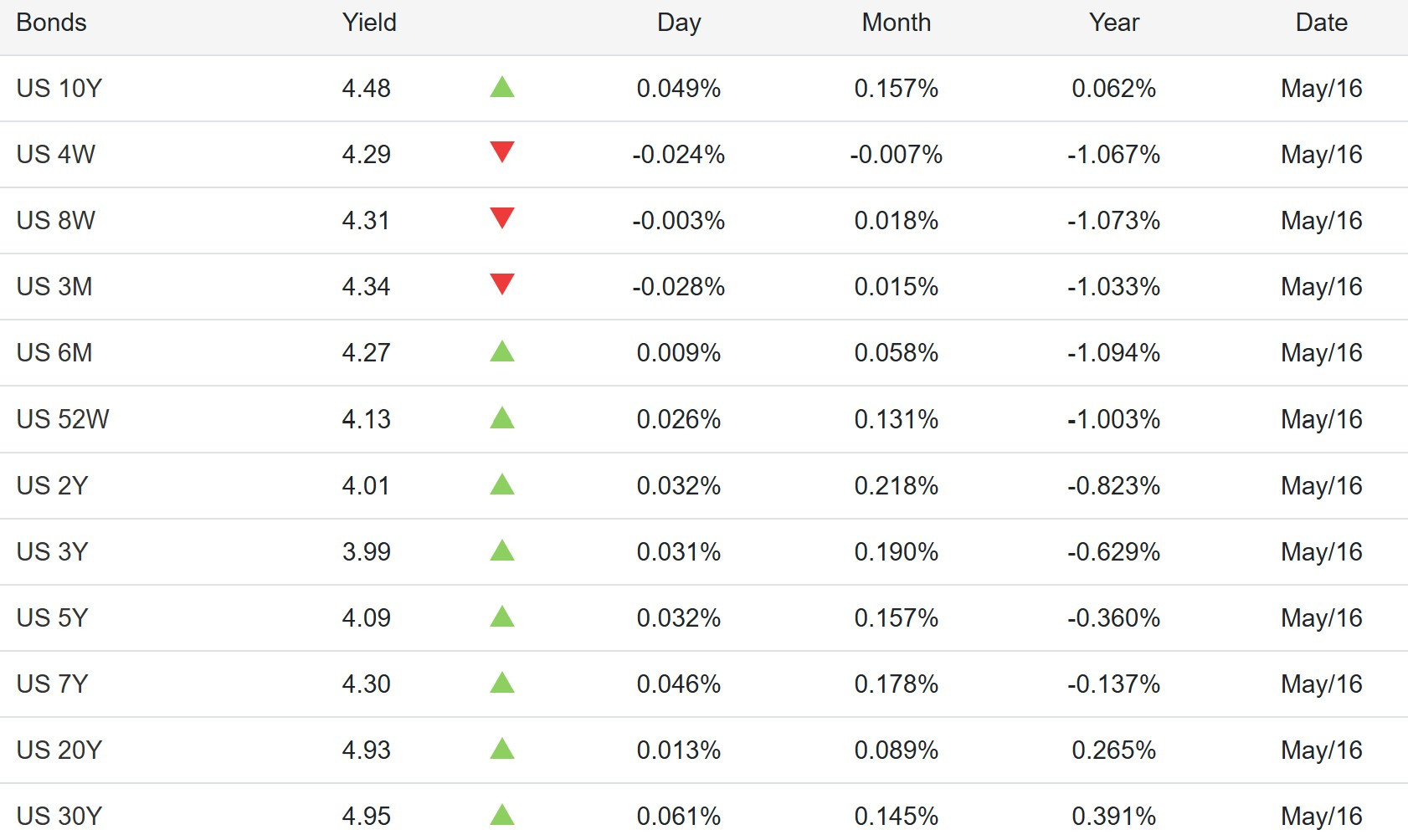
Why is this different from 2011?
When Standard & Poor’s cut the U.S. to AA+ in August 2011, the S&P 500 plunged over 7% and 10‑year yields spiked 16 basis points, as portfolio rules forced massive selling of non‑AAA debt. Today, contracts have been rewritten to accept any “government‑backed securities,” immunizing markets against mechanical sell‑orders on a rating change. Fitch’s 2023 downgrade to AA+ passed with barely a ripple—a sign of this new reality.
Experts call for fiscal sanity
Wall Street strategists agree that while the downgrade itself is unlikely to crash markets, it underscores a broader warning about America’s fiscal path. As Congress debates sweeping tax‑and‑spending legislation—recently stalled in the House Budget Committee—analysts stress the need for credible measures to rein in deficits, warning that unchecked borrowing could chip away at the U.S. Treasury’s aura of invincibility.
How has the White House fired back?
Quick to defend its record, the Trump administration labeled Moody’s downgrade a “political decision.” Presidential spokesman Steven Cheung took to X to castigate Moody’s chief economist Mark Zandi as an “anti‑Trump” partisan tied to the Obama and Clinton camps, dismissing his analysis as “consistently wrong.” Yet Treasury Secretary Janet Yellen has warned in Congressional hearings that “the U.S. is on an unsustainable path,” urging lawmakers to act before fiscal strains escalate into a true crisis.
This content is provided for informational or educational purposes only and does not constitute investment advice.