
Coinbase’s Data Leak and S&P 500 Debut, A Double-Edged Sword for Crypto’s Future

Coinbase, one of the biggest U.S.-regulated crypto exchanges, has recently made headlines for two very different reasons. On one hand, it faced a major data breach exposing sensitive customer information.
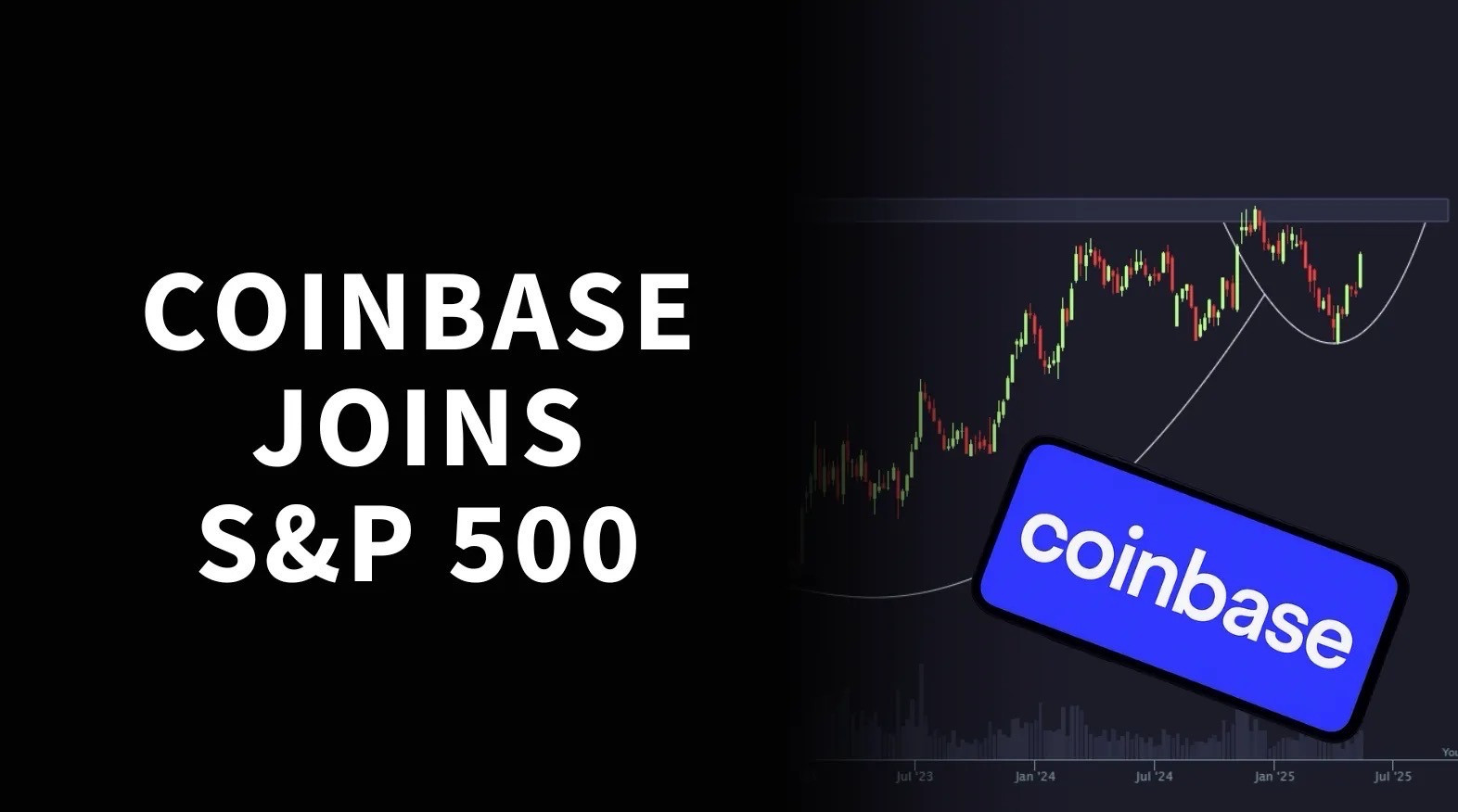
On the other, it’s about to join the prestigious S&P 500 index, marking a milestone for crypto’s mainstream acceptance. These events seem contradictory but actually highlight the challenges and opportunities Coinbase is juggling right now.
1. Data Breach: A Costly Reminder That Security Goes Beyond Tech
Coinbase revealed that hackers bribed overseas contractors to steal customer data, including names, phone numbers, addresses, ID photos, and partial bank details. While no funds or passwords were compromised, this breach is still a serious blow.
The company expects losses between $180 million and $400 million to cover customer compensation and improve security. Coinbase has fired the contractors involved and plans to build a new U.S.-based customer service center to avoid similar issues.
This incident shows that no matter how advanced the technology, human factors and supply chain vulnerabilities remain the biggest security risks. Digital asset safety isn’t just about encryption — it’s also about managing people and processes well.
2. Joining the S&P 500: Crypto Steps Into the Spotlight
On May 19, Coinbase will replace Discover Financial Services in the S&P 500, becoming the first pure crypto company to join the index. With roughly $13 trillion managed by funds tracking the S&P 500, this move will likely bring about $9 billion in passive investment inflows.
More importantly, this is a symbolic moment. It tells traditional investors that Coinbase—and by extension, crypto—is finally recognized as a legitimate part of mainstream finance.
For retail investors, this means Coinbase shares may see less wild swings and more stability. The stock price has already surged 25%, reflecting growing market confidence.
3. Expanding Beyond Spot Trading: Dominating Crypto Derivatives
Coinbase recently spent $2.9 billion acquiring Deribit, the world’s largest crypto options platform, giving it a major foothold in the $12 trillion derivatives market.
Derivatives attract institutional investors like hedge funds who want leveraged exposure and hedging tools. This diversification helps Coinbase reduce reliance on retail trading, which is more volatile.
This move signals Coinbase’s ambition to evolve from a crypto “gateway” into a full-fledged financial institution, which could drive the crypto industry’s next phase of maturity.
4. Regulatory Clouds Still Hover
Despite the progress, Coinbase faces ongoing regulatory scrutiny. The SEC is still investigating its staking program, and past issues with customer data reporting remain unresolved.
Moreover, many investors remain wary after Bitcoin’s 70% crash in 2022. Surveys show a large portion of new investors don’t fully understand blockchain, and price volatility remains a major concern.
5. My Take: Big Opportunity, But Execution Will Be Key
Coinbase’s recent events highlight two things for me. First, the data breach is a wake-up call that crypto security isn’t just about tech—it’s about people and oversight. The human element can never be ignored.
Second, joining the S&P 500 and pushing into derivatives shows Coinbase wants to move from a risky startup to a serious player in global finance. That means bigger compliance demands but also more legitimacy and stability.
For investors, Coinbase offers a rare mix of institutional backing and growth potential—but also regulatory and security risks. The next year or two could be bumpy, but Coinbase’s journey will likely set the tone for how crypto integrates with traditional markets.
Final Thoughts
Coinbase is at a crossroads: can it balance rapid growth with security and compliance? Can it prove crypto is more than just hype?
To me, watching these big-picture shifts is more important than just tracking price swings. Investing in crypto means understanding if it can really stand the test of time.
If this analysis helps shed some light, feel free to follow me for more deep dives into crypto and finance.