
Bessent Warns ‘Liberation Day’ Tariffs Could Return, Plays Down Moody’s Credit Downgrade

What’s Happening with the Tariffs?
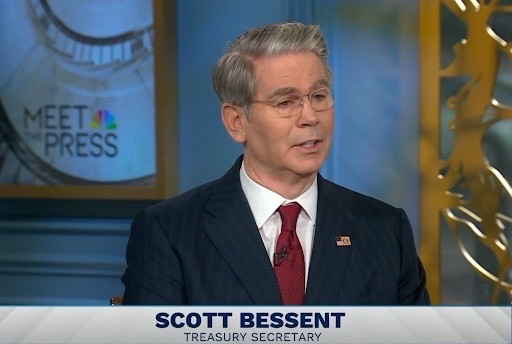
Scott Bessent, U.S. Treasury Secretary, recently warned that the sharp tariffs President Trump imposed on many trading partners—known as “Liberation Day” tariffs—could be reinstated if negotiations don’t progress seriously before the current pause expires in early July. These tariffs had been suspended for 90 days as a goodwill gesture, but Bessent stressed that if countries don’t negotiate in good faith, the U.S. will snap them back to previous high rates.
This means the trade tensions aren’t easing, just temporarily on hold. The tariffs remain a key bargaining chip, signaling that Washington is serious about extracting concessions from major trade partners.
What Does This Mean for Trade and Markets?
Bessent also mentioned the focus on 18 “important” trading partners, while smaller countries or regions might see different tariff arrangements. This hints at a more granular, region-by-region tariff strategy, rather than a one-size-fits-all approach.
Crucially, he admitted higher tariffs will push up prices for U.S. consumers—some costs will be absorbed by companies like Walmart, but some will inevitably be passed on. This underscores how trade policy directly impacts inflation and consumer costs, which investors must factor into their outlook.
The Moody’s Downgrade: A Deeper Look
Now, Bessent’s dismissal of Moody’s downgrade of the U.S. AAA credit rating might seem like shrugging it off. He called Moody’s a “lagging indicator” and emphasized ongoing investor confidence and capital inflows.
But here’s the deeper play: This downplaying isn’t just an offhand remark—it’s a deliberate move to shape market expectations and prevent panic. Credit rating downgrades typically raise borrowing costs and shake investor confidence. By publicly minimizing Moody’s action, Bessent is trying to contain fallout, signaling that the government has control and investors should remain calm.
This is about managing narratives and market psychology as much as about fundamentals. It’s a strategic communication designed to keep bond yields stable and avoid triggering a self-fulfilling crisis.
Why Does This Matter to Investors?
1. Tariffs are not just taxes—they are geopolitical signals. The possible return of steep tariffs means prolonged uncertainty. Supply chains remain vulnerable, costs stay volatile, and companies with heavy import exposure face margin pressures.
2. Investors should watch which sectors are most exposed—consumer staples, retail, and manufacturing could feel the pinch. Also, markets might price in these risks unevenly, creating opportunities and hazards.
3. On the credit rating front, Moody’s downgrade is a warning sign that U.S. fiscal trajectory is under scrutiny. But the Treasury’s messaging reflects confidence in short-term investor appetite, banking on the idea that the U.S. remains the global safe haven.
4. Long term, though, if deficits continue unchecked, repeated downgrades or rising borrowing costs could force a reevaluation of U.S. debt risk, impacting Treasury yields, dollar strength, and global capital flows.
My Take
Bessent’s comments on tariffs confirm that trade policy remains a strategic lever, with real economic consequences. His handling of the Moody’s downgrade is classic crisis management—minimize impact, project confidence, and buy time.
For investors, this means staying alert to how trade tensions evolve, watching inflation and supply chain risks, and being prepared for volatility in both equity and bond markets.
Don’t dismiss the downgrade lightly—it’s a signal of structural fiscal challenges. But also don’t panic. Instead, use this as a cue to deepen risk management and diversify portfolios accordingly.