
AI Investment Surge: Where Global Capital is Flowing in 2025

Go Private Market Pulse
May 19, 2025
GoGPT Summarizes Articles
The global investment landscape is undergoing a seismic shift, with artificial intelligence (AI) emerging as the undisputed magnet for venture capital and private equity. From Silicon Valley to Shenzhen, billions of dollars are pouring into AI-driven startups, signaling a renaissance in tech innovation and investor confidence. Here’s where the money is going—and why this trend is reshaping opportunities for investors worldwide.
China’s AI Revival: From Regulatory Winter to Funding Avalanche
After three consecutive years of declining venture capital activity, China’s tech sector is roaring back to life, fueled by breakthroughs in AI. DeepSeek, a Beijing-based AI firm, has become the poster child of this resurgence. Its release of an OpenAI rival in early 2025 sparked an “avalanche” of interest, with investors scrambling to back the next big thing. Insilico Medicine, an AI drug discovery startup, saw its Series E round balloon to $110 million, with so many late entrants that it plans an additional “E2” raise.
“The DeepSeek moment reignited global confidence in Chinese tech,” said Alex Zhavoronkov, CEO of Insilico. U.S. and Middle Eastern investors are now actively seeking exposure to China’s AI ecosystem, drawn by lower operating costs for AI models and a vast consumer base. Regulatory clarity from Beijing—including a $137.7 billion government-backed tech fund—has further eased fears, prompting firms like BAI Capital to double down on existing AI portfolio companies rather than chase new deals.
Hongye Wang of Shenzhen’s Forebright Capital highlights another factor: Lunar New Year 2025 became a symbolic turning point. DeepSeek’s R1 AI model debuted alongside viral demonstrations of Unitree’s dancing robots, showcasing China’s dual strengths in software and hardware. “Foreign investors are finally seeing past geopolitical tensions to the opportunities here,” Wang noted.
Nvidia’s AI Empire: Betting Big on the Ecosystem
No company embodies the AI gold rush more than Nvidia. The chipmaker’s revenue and stock price have soared alongside demand for its GPUs, but its venture strategy is equally aggressive. In 2024 alone, Nvidia participated in 49 AI funding rounds—up from 34 in 2023—backing everything from autonomous vehicles (Wayve) to healthcare AI (Hippocratic AI). Its portfolio reads like a who’s-who of AI innovation: OpenAI, xAI, Mistral, and robotics pioneer Figure AI.
Nvidia’s goal? To dominate the entire AI value chain. By investing in GPU-reliant startups like CoreWeave (cloud computing) and Lambda (AI training infrastructure), it ensures its hardware remains indispensable. “These investments aren’t just about returns—they’re about shaping the future of AI,” said a company spokesperson.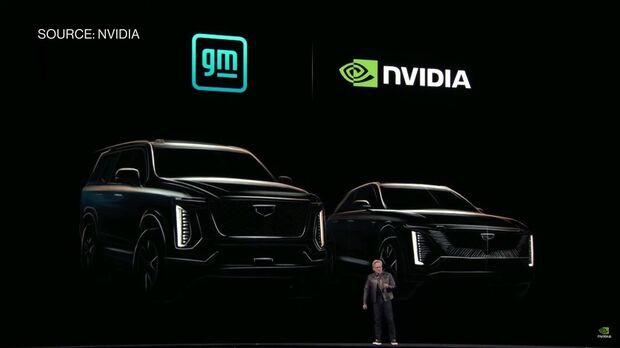
New Funds, New Frontiers
The AI frenzy isn’t limited to corporate giants. Venture firms are launching specialized funds to capitalize on the boom. Sydney-based King River Capital is closing a $157 million fund targeting AI startups in Australia and the U.S., with backing from institutional heavyweights like Future Super. Similarly, Bridgetown Research raised $19 million to deploy AI “agents” that automate business research for private equity and consulting firms—a sign of how AI is permeating even the back offices of investing.
Why This Matters for Individual Investors
For decades, high-growth tech investments were reserved for institutional players. But AI is democratizing access. Platforms like Charli AI use multidimensional models to analyze private markets, enabling wealth managers to offer tailored AI-driven portfolios to high-net-worth clients. Meanwhile, secondary markets and pre-IPO opportunities are expanding, allowing individual investors to tap into startups like Insilico or Scale AI before they go public.
As regulatory hurdles ease and AI-driven returns outpace traditional equities, the message is clear: The AI wave isn’t just coming—it’s here. Investors who ignore it risk being left behind.
#Private Market: Unlocking Potential