
Healthcare VC's AI Gambit: Can a Tech Revolution Reignite Biotech's Frozen Funds?

Go Private Market Watch
May 19, 2025
GoGPT Summarizes Articles
The healthcare venture capital landscape is undergoing a seismic stress test. Andreessen Horowitz (a16z), Silicon Valley’s once-unstoppable force, just halved its latest biotech fund target to 750 million-a stark retreat from 2022's 1.5 billion juggernaut. This pullback mirrors a sector-wide chill: Global VC healthcare fundraising plummeted to $104.7B in 2024, a six-year low, as IPOs flatline and exits vanish. Yet beneath the frost, a disruptive force is emerging—AI’s next protocol revolution—that could thaw frozen capital and redefine biotech investing.
The Great Unfreeze: Why Healthcare VC Needs an AI Overhaul
a16z’s downsized AH Bio Fund V arrives amid a perfect storm. With LPs demanding returns after years of meager distributions, firms face pressure to pivot from “spray-and-pray” biotech bets to precision targeting. Enter AI’s new infrastructure layer: protocols like Model Context Protocol (MCP), designed to let AI agents seamlessly interact with tools, data, and APIs.
In healthcare, MCP’s implications are transformative. Imagine AI researchers automating drug discovery by chaining together:
1.Genomic databases (via DNAnexus MCP server)
2.Clinical trial analytics (Trials.ai MCP)
3.Regulatory compliance checks (FDA API MCP) —all within a unified workflow. This isn’t sci-fi: MCP already powers code editors like Cursor to execute SQL queries and debug in real-time. Applied to biotech, such protocols could slash drug development timelines from years to months.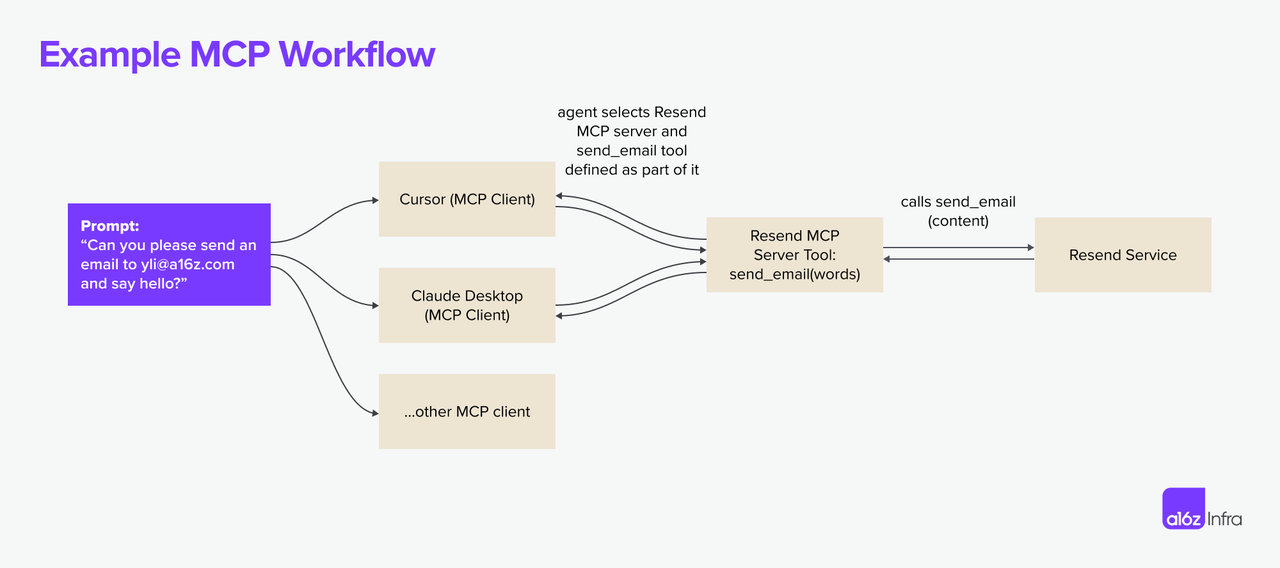
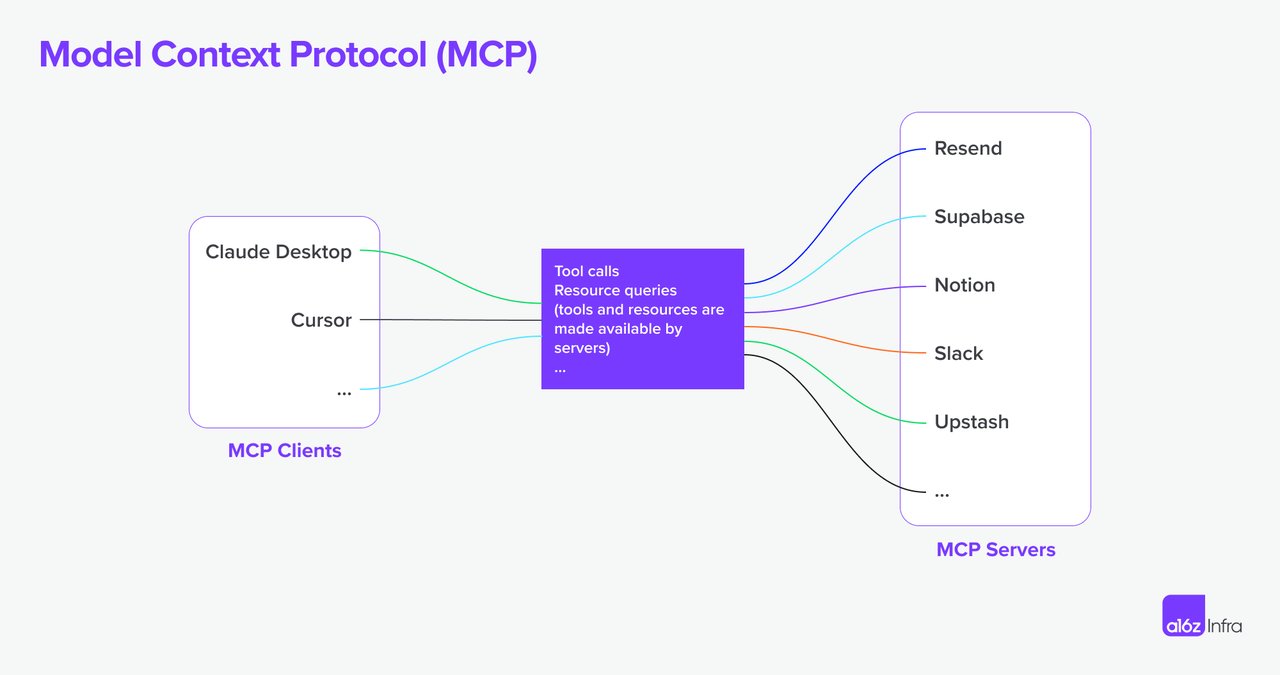
Photo: Andreessen Horowitz
a16z seems poised to capitalize. Despite cutting its standalone bio fund, it partnered with Eli Lilly on a $500M Biotech Ecosystem Venture Fund focused on “novel modality platforms”—a likely bet on AI-driven tools. The firm’s Bio + Health team, overseeing 70 startups and 17 exits, now faces a mandate: Prove AI can resurrect ROI in a sector where 90% of clinical drugs fail.
AI’s Healthcare Playbook: From Hype to Hard Returns
The math is brutal but clear: Traditional biotech demands $2.6B and 10+ years per approved drug. AI promises to compress both—if investors crack two challenges:
1. The Integration Bottleneck Most healthcare AI tools operate in silos. MCP solves this by enabling cross-platform workflows. For example:
-
An AI agent uses a Pathology MCP Server to analyze tumor scans
-
Pulls patient histories via Epic EHR MCP
-
Generates personalized treatment plans via Oncology LLM MCP
Early adopters like Recursion Pharmaceuticals already use AI to simulate 100,000+ drug interactions weekly—a process MCP could accelerate by 10x through seamless tool integration.
2. The Validation Gap Investors burned by Theranos-style hype demand tangible metrics. Here, protocols like MCP create audit trails: Every AI decision—from molecule selection to trial design—can be traced, validated, and optimized. a16z-backed startups like Genesis Therapeutics (AI drug discovery) now leverage such frameworks to attract pharma partners.
The New VC Blueprint: Smaller Funds, Smarter Bets
a16z’s retreat from mega-funds signals a sector-wide shift. With AH Bio Fund V, the firm is:
-
Pivoting to “AI-first” biotechs: Startups using MCP-like protocols to automate R&D
-
Backing toolmakers, not just therapies: Companies like Halliday (recently funded by a16z) that build blockchain-AI infrastructure for clinical payment systems
-
Doubling down on compute: Its $500M Lilly partnership targets “health tech scaling”—likely GPU-heavy AI training for drug models
This mirrors trends elsewhere:
-
Nvidia’s BioNeMo: A generative AI platform now used by Amgen and Roche
-
Insilico Medicine’s AI-discovered fibrosis drug: In Phase II trials after cutting discovery time by 70%
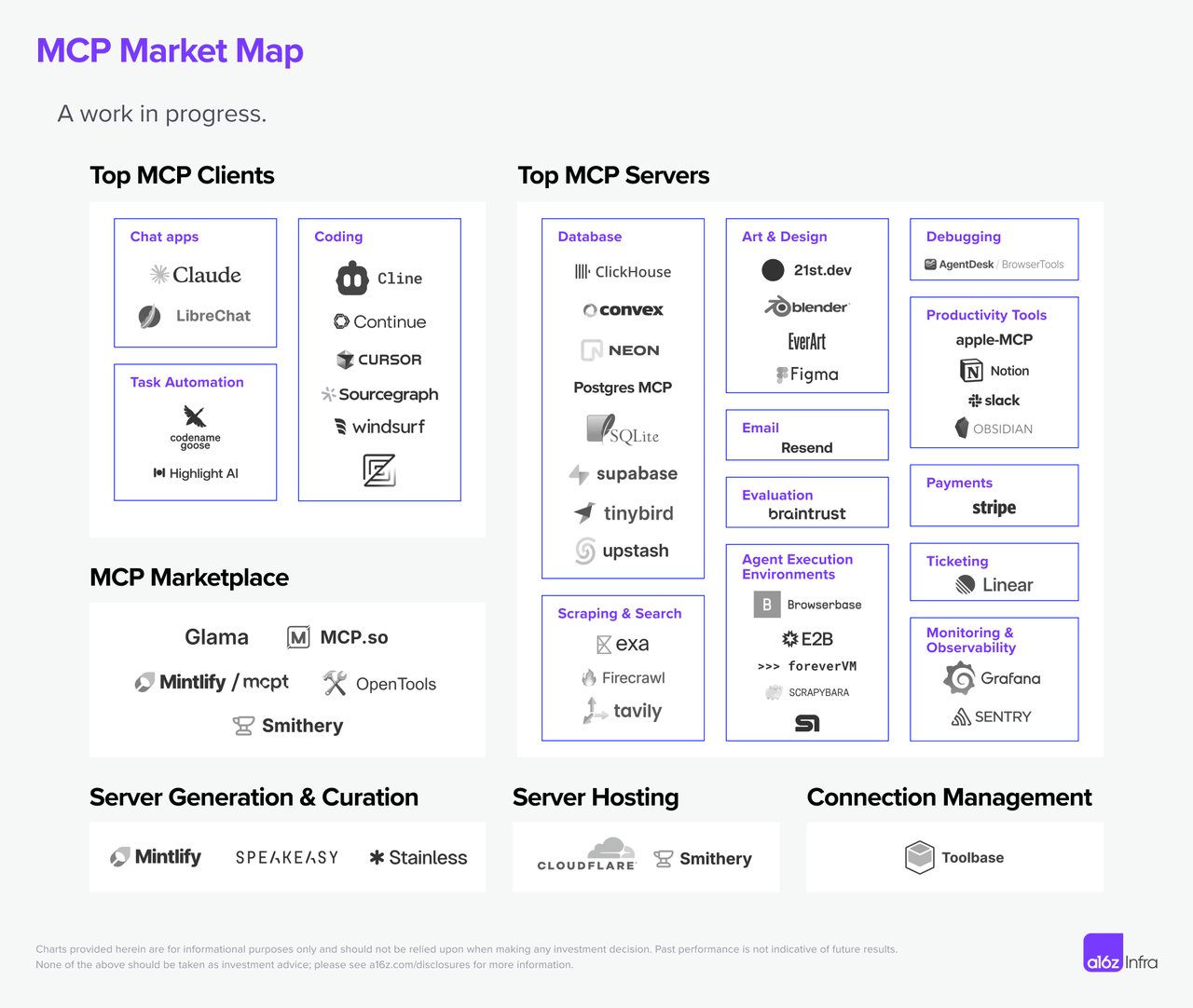
Photo: Andreessen Horowitz
Risks Ahead: Will Protocols Outpace Regulation?
For all its promise, AI’s healthcare revolution faces hurdles:
-
Data Privacy: MCP’s lack of standardized authentication could expose patient data
-
Regulatory Lag: FDA’s AI/ML Software Action Plan remains untested for MCP-driven workflows
-
Talent Wars: a16z’s Bio + Health team has 15 investors—enough to spot gems, but can they scale?
Yet the upside is irresistible. Goldman Sachs estimates AI could save global healthcare $360B annually by 2027. For VCs, the playbook is clear: Bet on startups merging biotech rigor with AI agility—or risk obsolescence. As a16z’s Vijay Pande told investors: “The future of healthcare isn’t just molecules. It’s molecules + math.”
Winter’s End or Ice Age?
Healthcare VC’s current freeze isn’t a death knell—it’s a Darwinian filter. Firms clinging to outdated models will perish; those embracing AI’s protocol revolution could dominate. Watch for:
-
MCP adoption spikes in drug discovery platforms
-
Pharma-AI partnerships (like Lilly/a16z) surpassing $1B deals
-
IPO rebounds for AI-native biotechs with proven ROI
The message to investors? Healthcare’s next golden age won’t be won by bigger funds—but by smarter code.
#Private Market: Unlocking Potential